Tag Archives: Education and Training

Field Day 2019 Recap

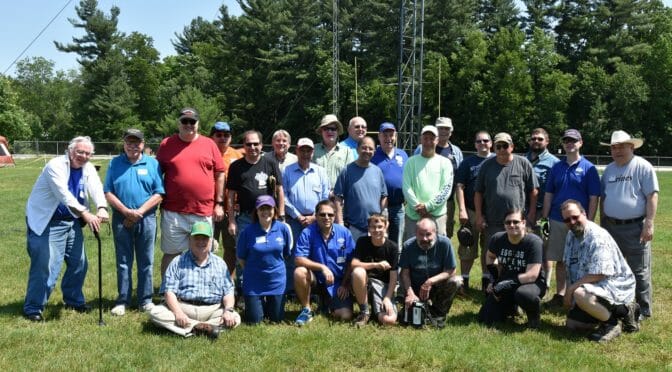
Field Day 2019 was one to remember.  We built an 11A station with a new VHF Tower and 160 meters.   Setup and takedown went smoothly.  The operating positions were full for most of the event.  We increased our score by more than 3,000 points over last year!
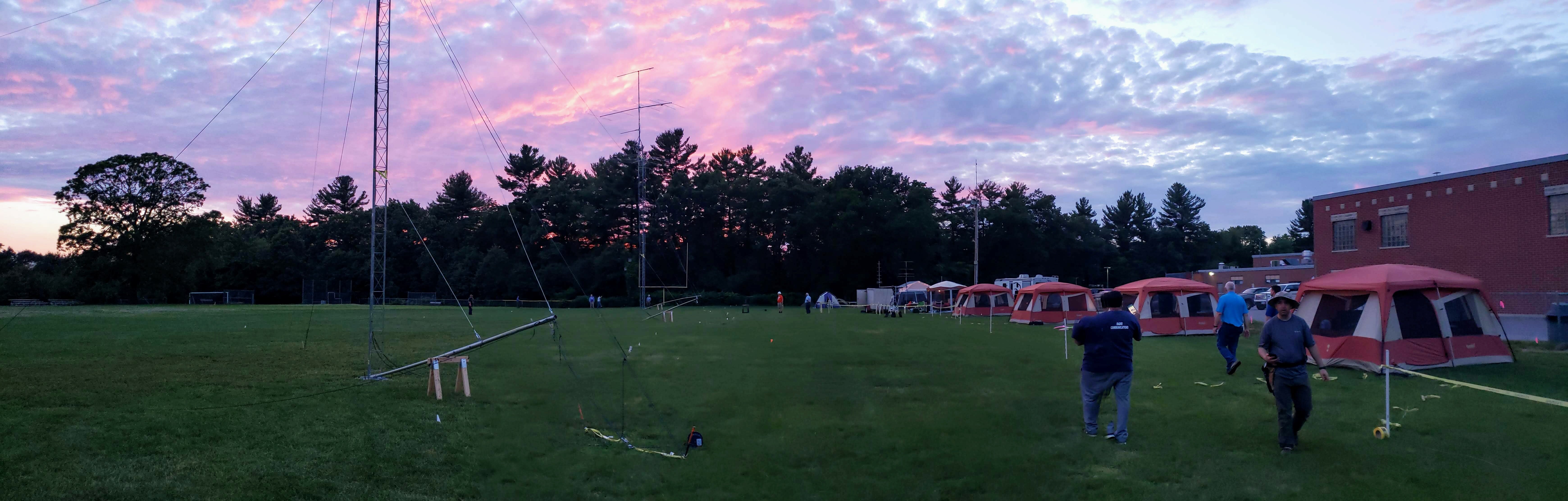
Field Day Site
Field Day Site

Hudson Memorial School proved to be a great Field Day Site for the 2nd year.

Transportation and Setup
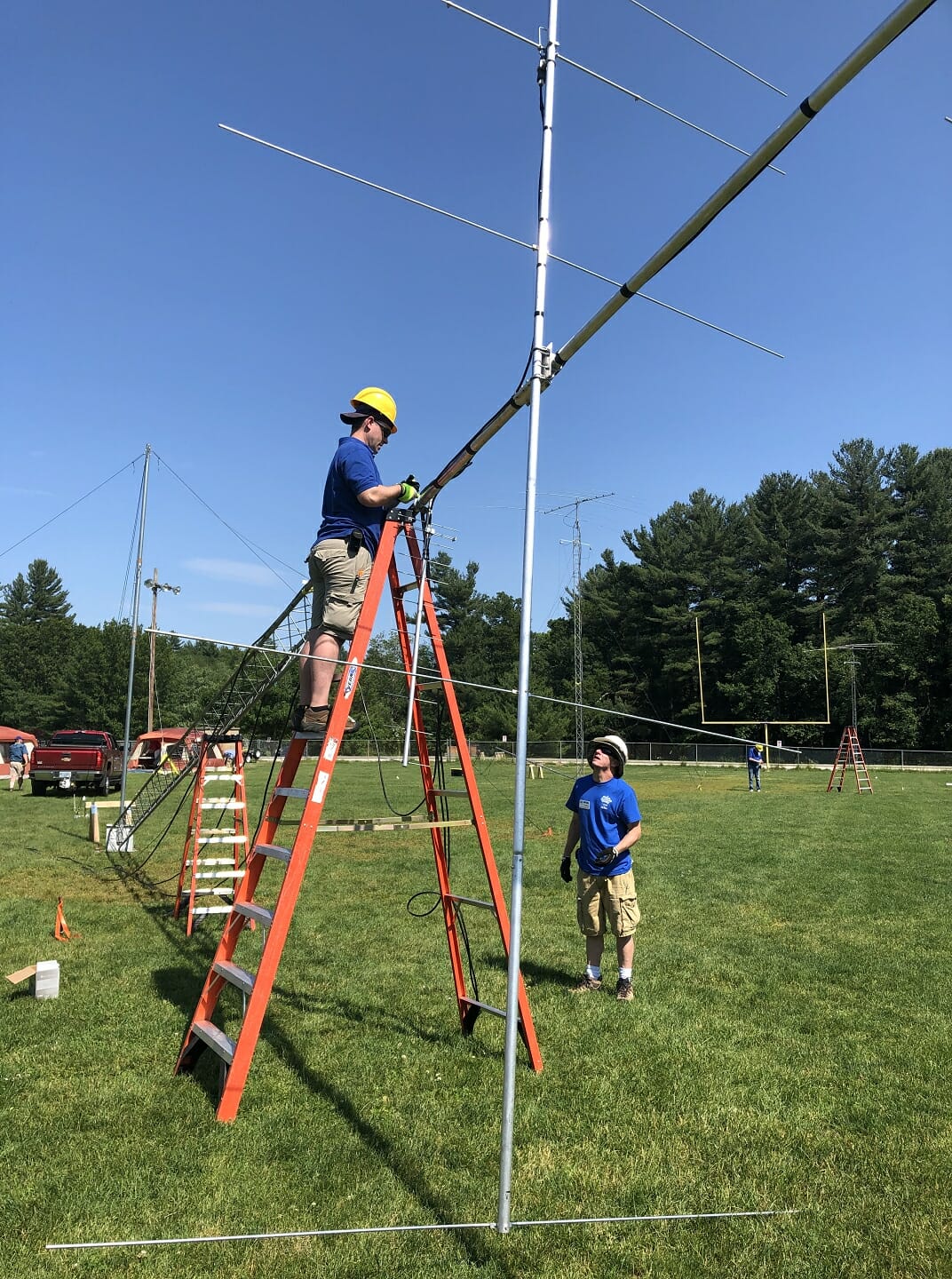
Tower and Antenna Setup

Setting up at Field Day was a challenge, with 4 towers, the 160-meter wire antenna, and RBOG and the Satellite station.  Thanks to a hardworking and organized team led by Craig, N1SFT, we had everything onsite by Thursday evening or Friday morning and the Tower and Antenna setup went very smoothly.  We even had some professional help, when Matt, KC1XX showed up!
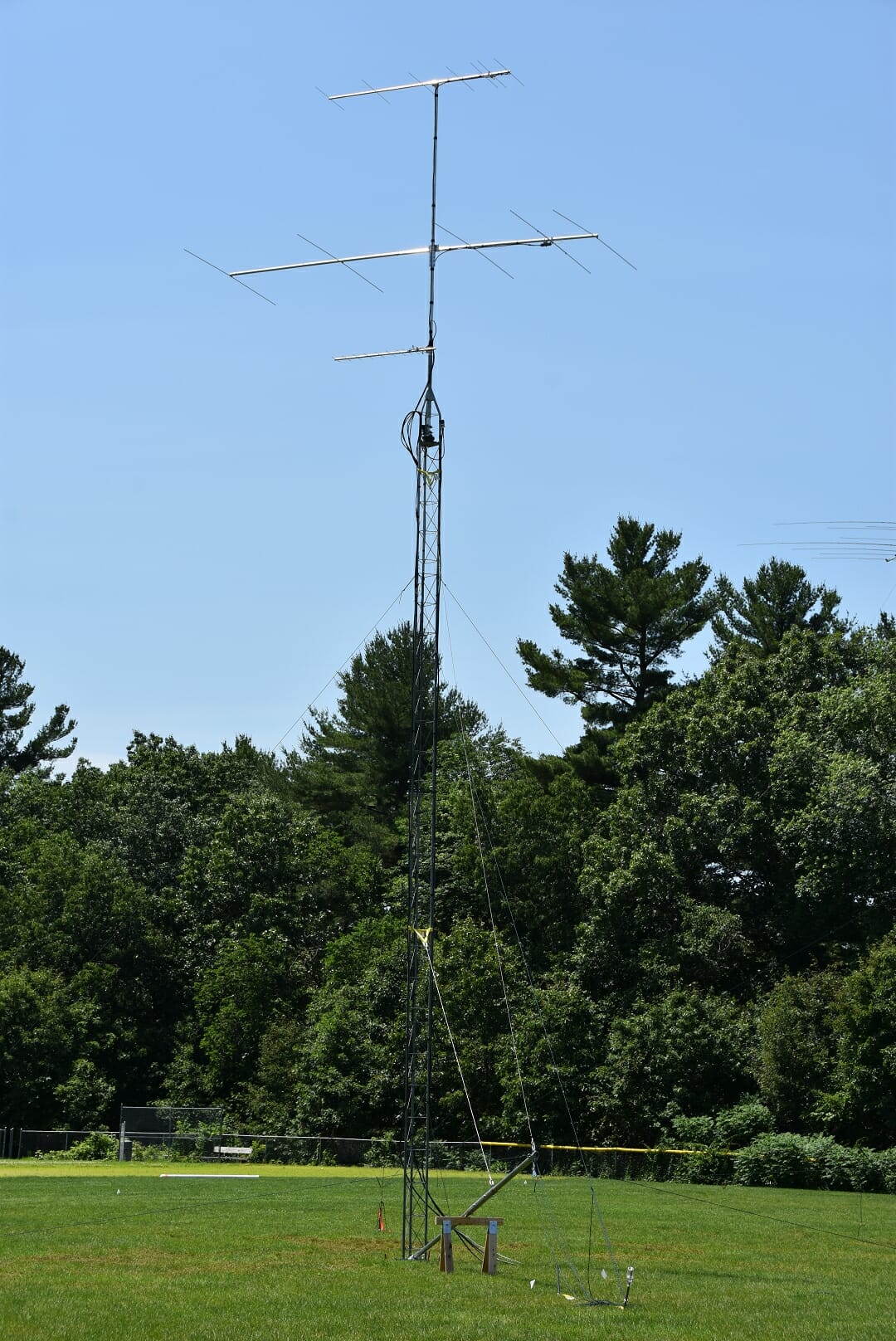
VHF Tower
VHF Tower

Here is the newest addition to field day, the VHF Tower.  With the antennas on the tower and the use of FT8, we had a record number of 6-meter contacts.  And Fred was able to walk the VHF bands with a few clubs to get some QSOs on 2 meters and 70 cm as well.

Field Day 2019 Operation
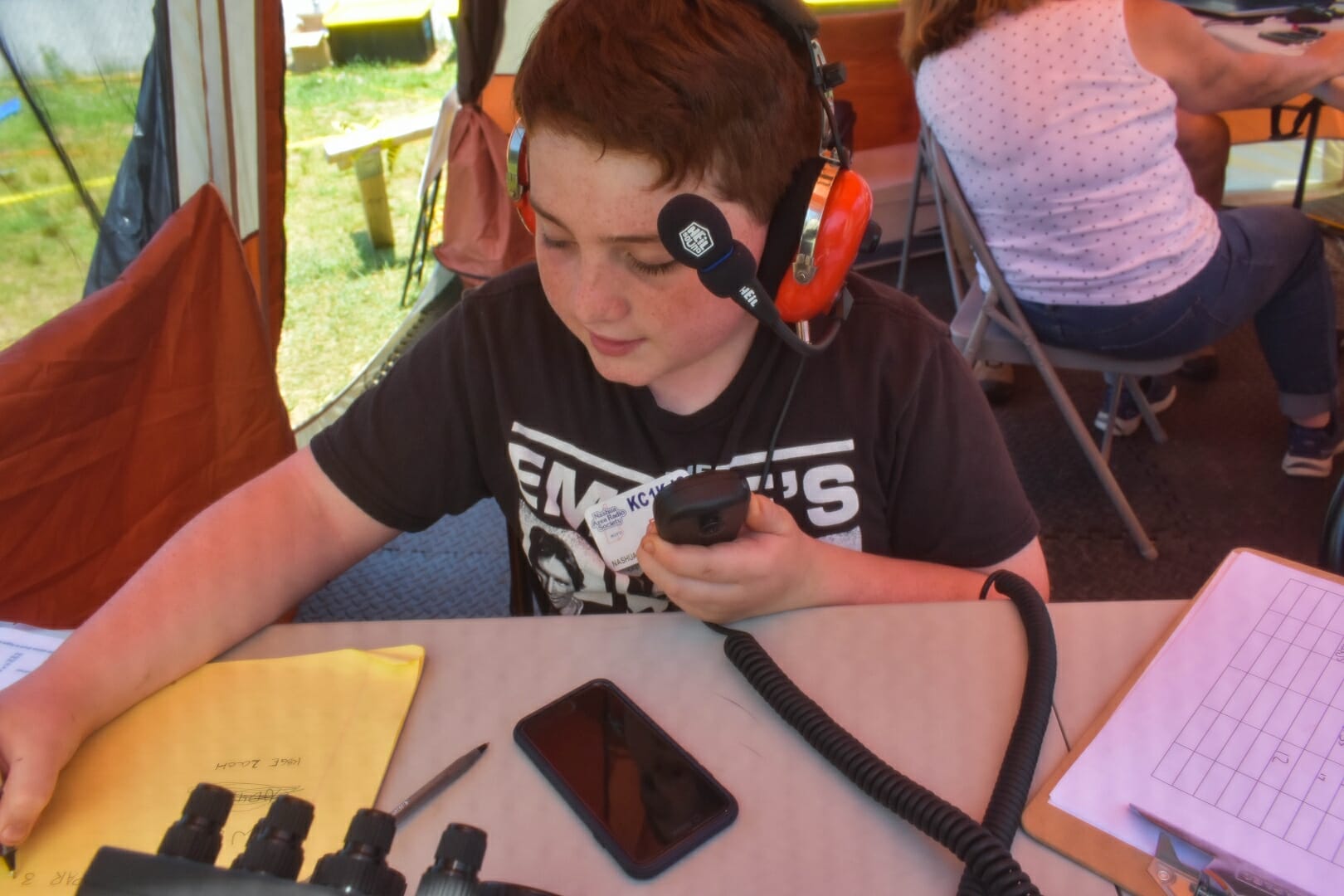
Ryan, KC1KJS, operating at Field Day

At 2:00 pm local time, the operations began and continued for 24 hours. It was great to see some of our younger members operating at Field Day.
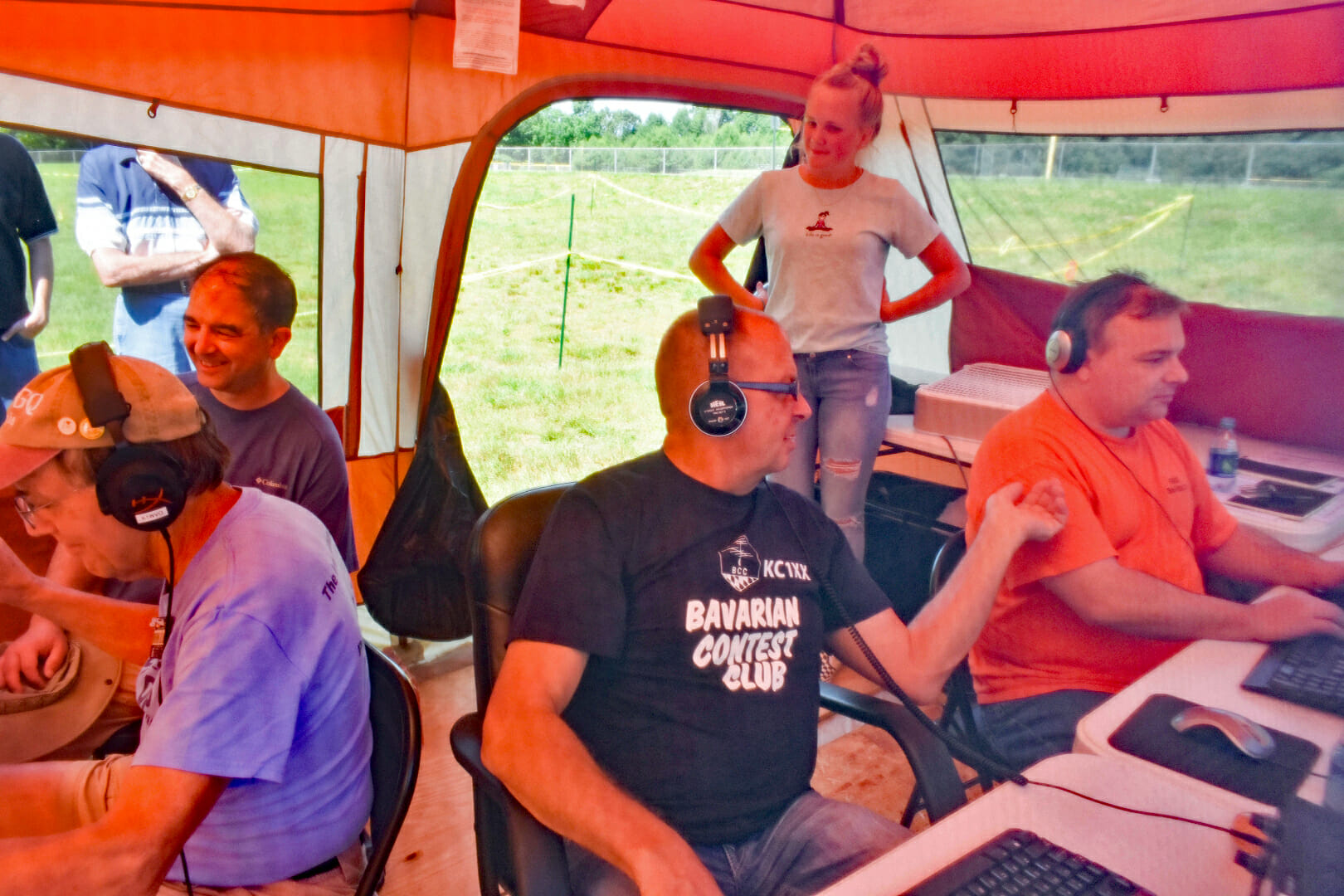
CW Operations
CW Operations

We also had world class contesters Matt, KC1XX and Bob, WA1Z in the CW Tent along with Dennis, K1LGQ.

Keith, KC1IMK at the Digital Station

We had a very cool high tech Digital setup with 3 stations running FT8 using networked Flex Radios and antennas on a 60 ft tower.  Thanks to Dave, K1DLM,  for providing this setup.
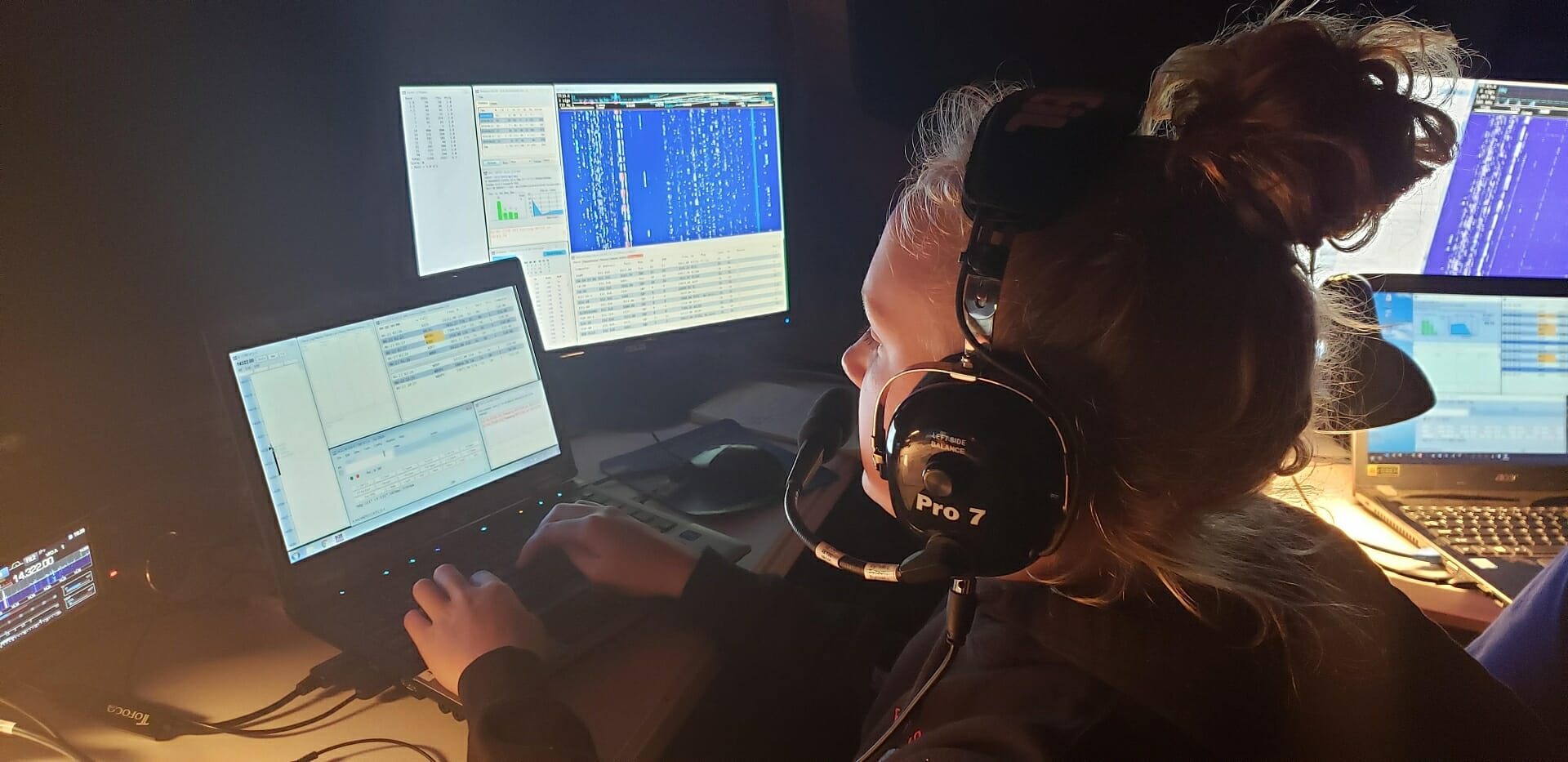
Abby, AB1BY Operating at Night

Operations continued all night.  Rumor has it that Abby, AB1BY and her dad Jamey, AC1DC operated SO3R in the Digital tent on FT8.

Great Food
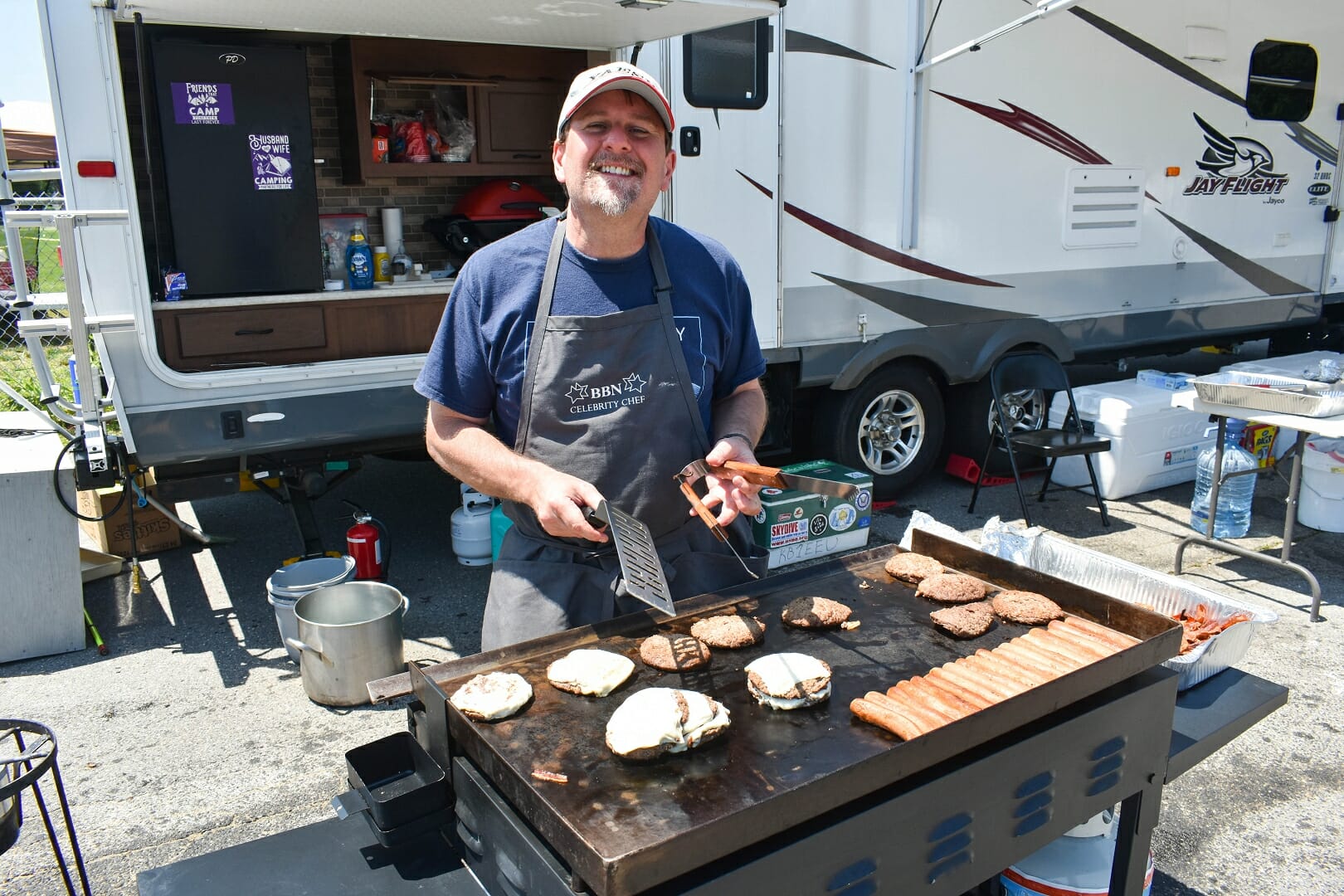
Jerry, K1OKD at the Grill

We also had world class food at Field Day.  Thanks to Jerry, K1OKD, Food team lead and Andrea, KC1JDX and Peter, KC1FNF, we never went hungry.
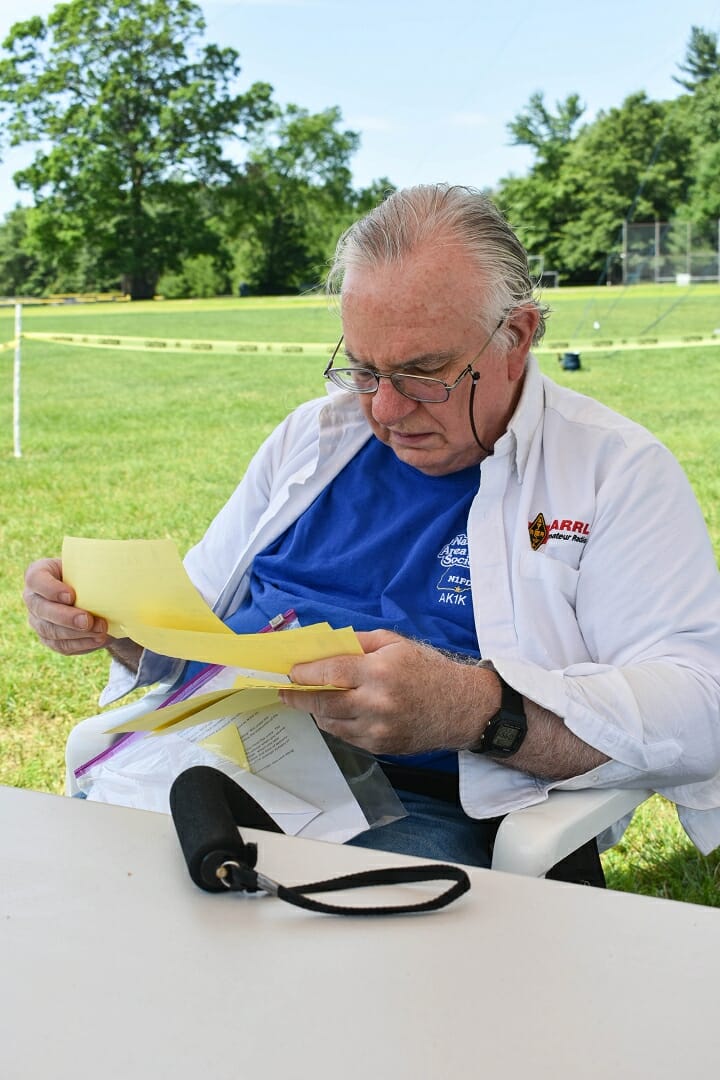
Sterling, AK1K
Sterling, AK1K

Thanks to Sterling, AK1K, we got 200 bonus points for messaging and had fun in the process handling the messages.
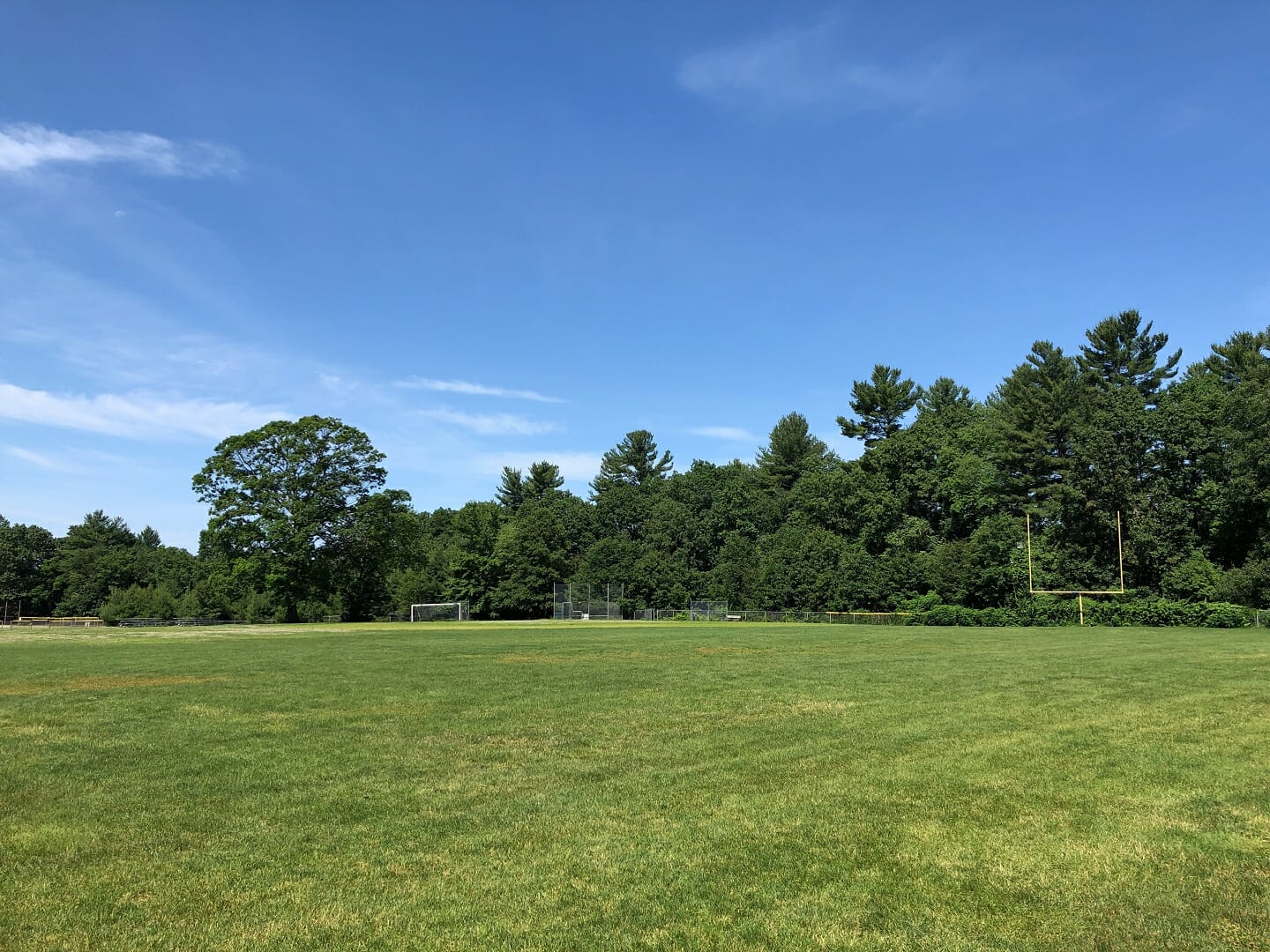
Field Day Site after Field Day

We left the site just as it was when we arrived. Thanks to all who helped take everything down and bring it all back to BOB!

Field Day 2019 Results
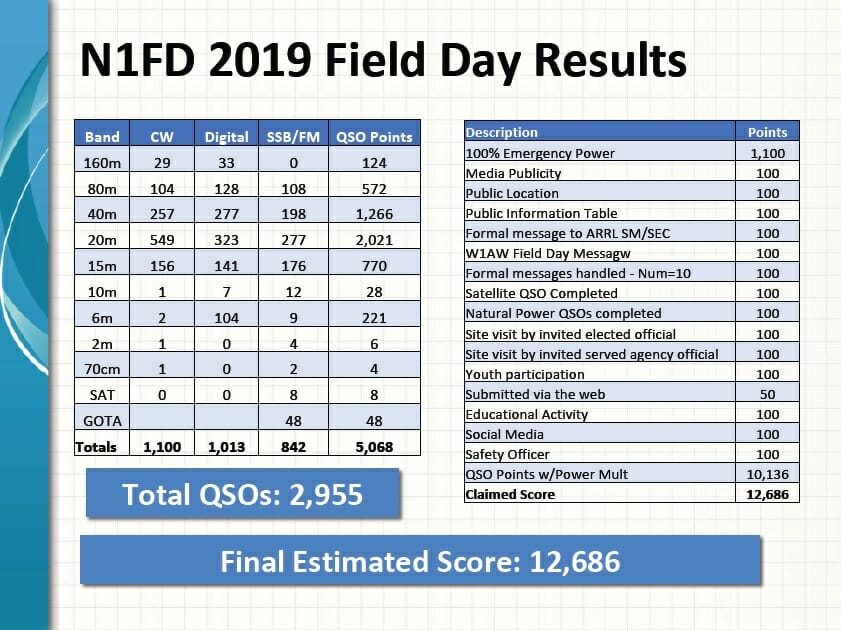
Field Day Results
Field Day Results

Here are our 2019 Field Day Results – a big improvement over last year!  Thanks to everyone who helped out with Field Day – too many to mention in this article.  This was one of our best Field Days ever! You can see more detail on our score and the list of our Top Operators on our Field Day page.

Anita, AB1QB
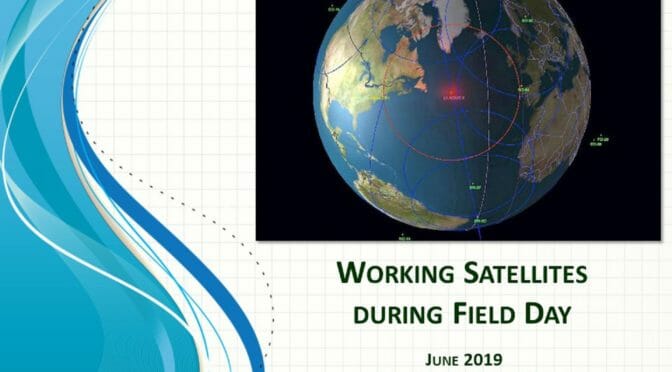
Field Day Satellites, VHF+ and Fox Hunting

We will have lots of great activities for folks who are interested in operating on the VHF and above bands at Field Day 2019. Here are some of the activities that we’ll be doing:

  • Satellite Contacts using a Portable Computer Controlled Satellite Stations
  • Weak Signal SSB, CW, and FT8 Contacts on 6m, 2m, and 70cm
  • Fox Hunting using Radio Direction Finding (RDF) to find hidden 2m Radio Transmitters
  • Satellite Station, VHF+ Station, and Fox Hunting Training

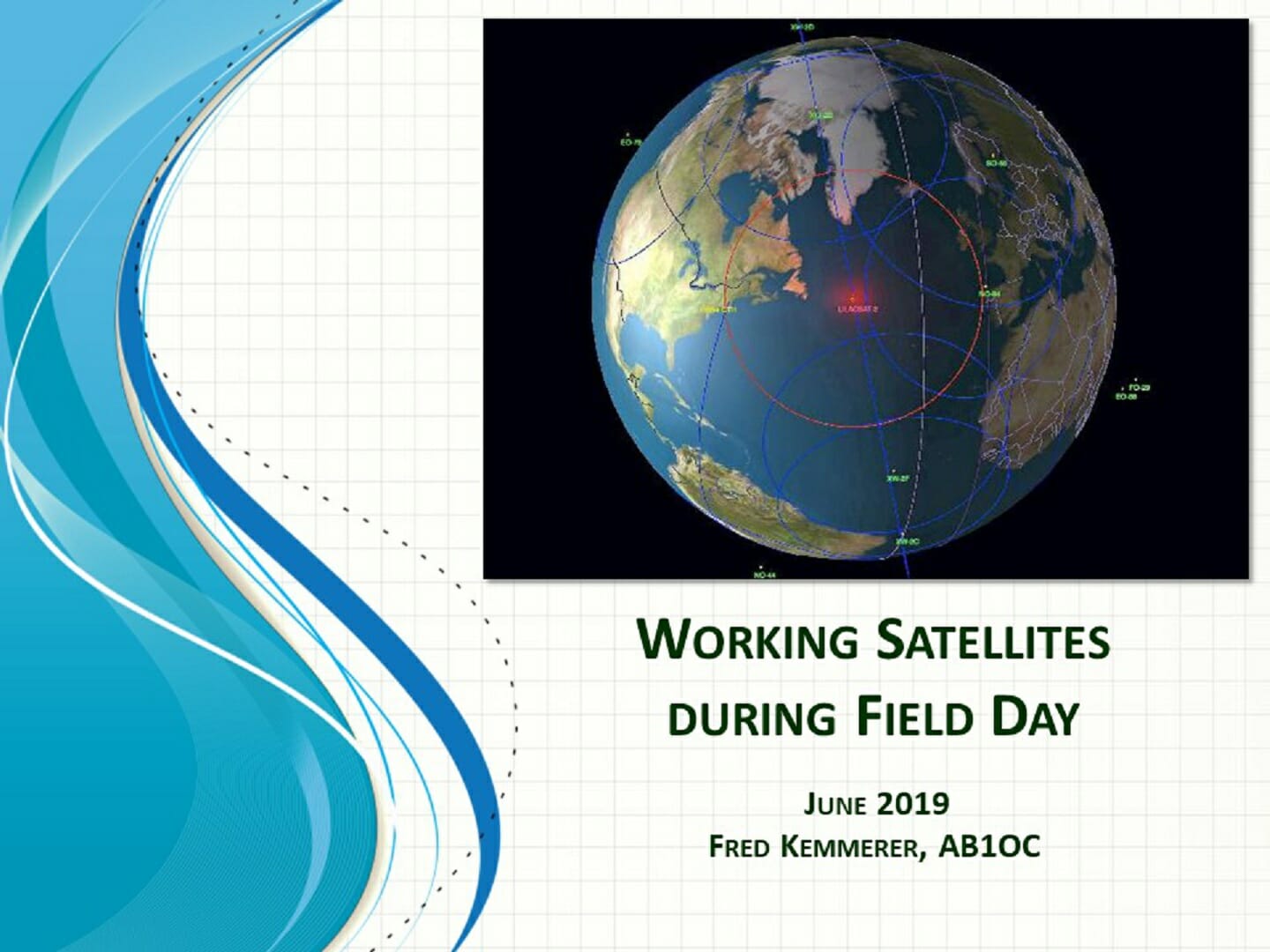
Satellites at Field Day

Field Day Satellites
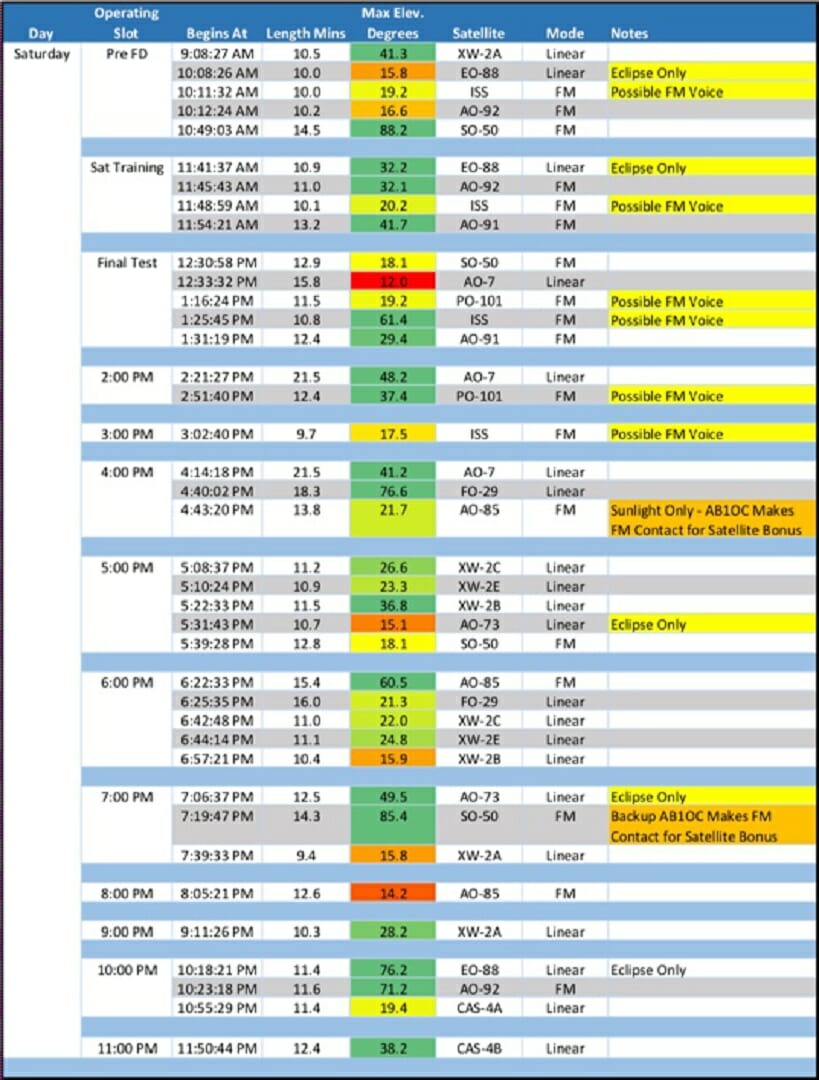
Field Day 2019 Satellite Passes – Saturday

We will have a lot of great satellite passes during Field Day this year! The table above shows a summary for Saturday. Sunday passes are also very good! You can see view the passes and associated details in our 2019 Field Day Satellite Pass Book.

Field Day Satellites
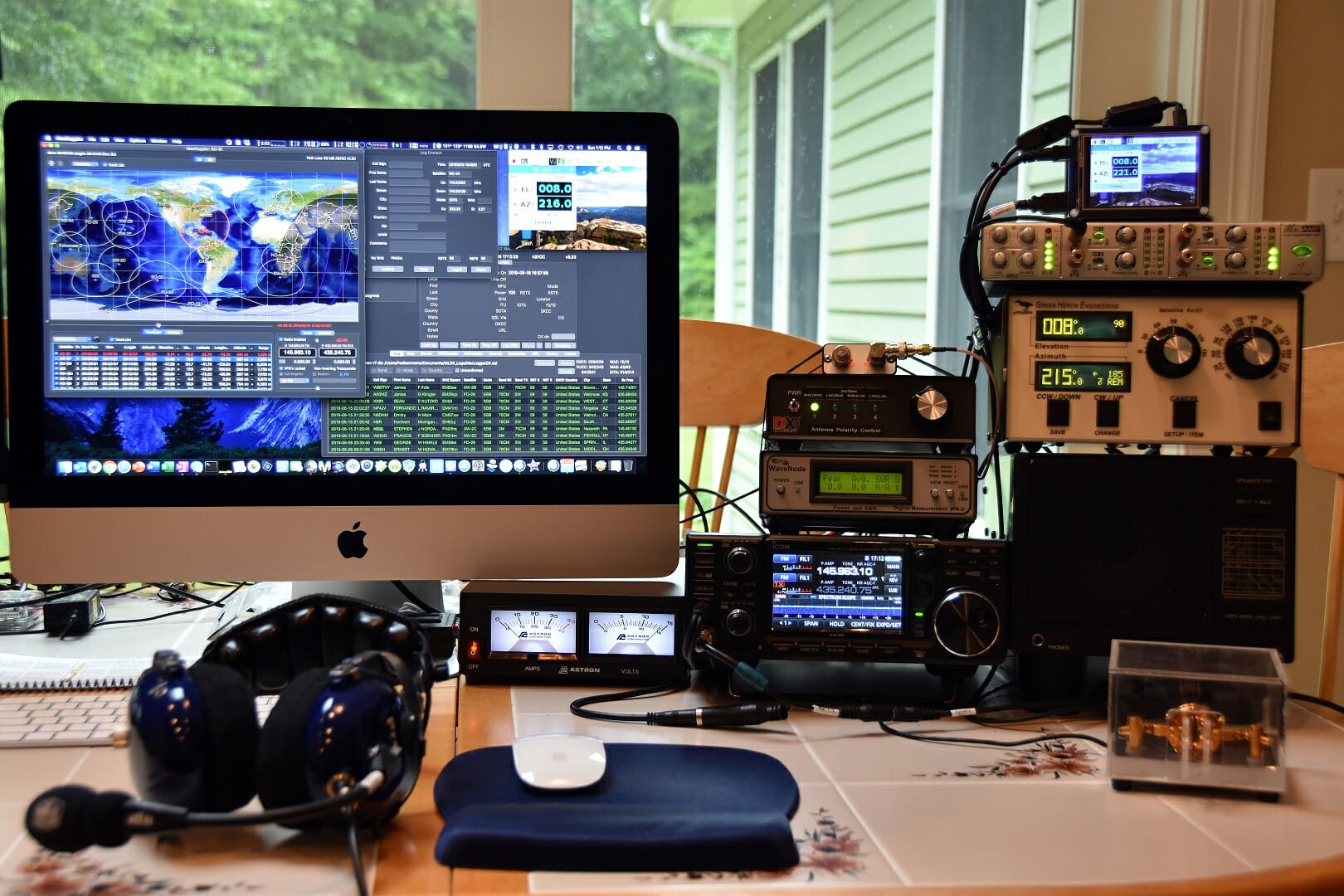
Computer Controlled Satellite Station

We will be using a Computer Controlled Portable Satellite station which features the new Icom IC-9700 Transceiver.

Field Day Satellites
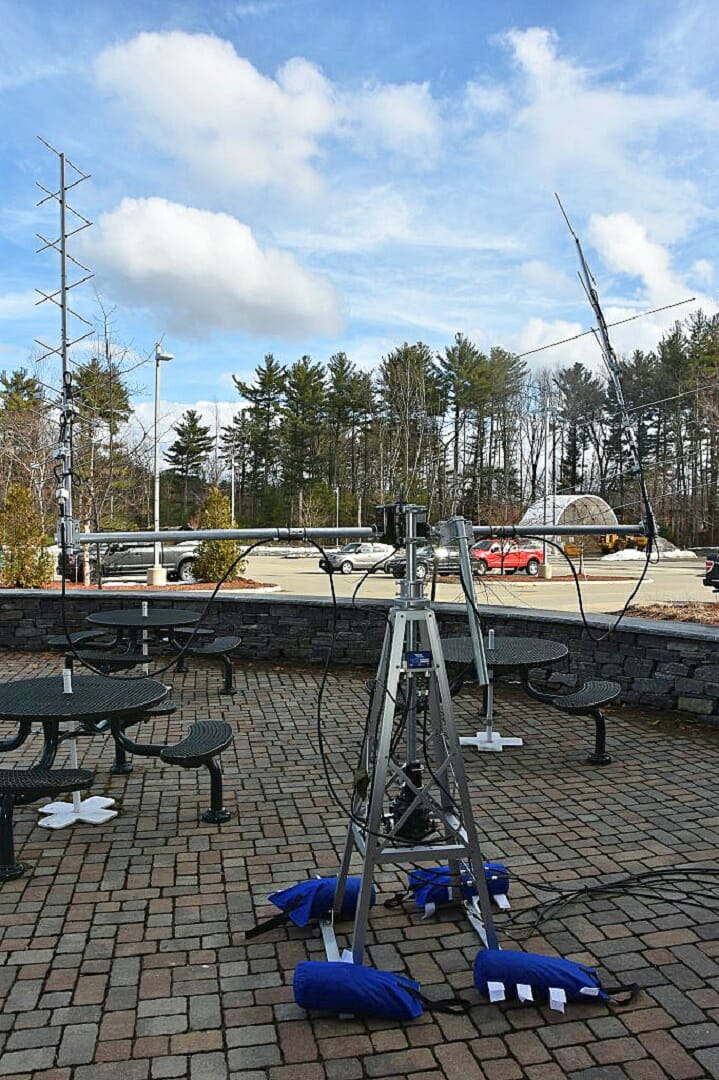
Portable Satellite Antennas

Our Portable Satellite Station uses circularly polarized yagis and an Az/El Rotator system to enable us to track and make contacts through LEO satellites. You can learn more about the station hardware and software here.

VHF+ Station

VHF+ Station
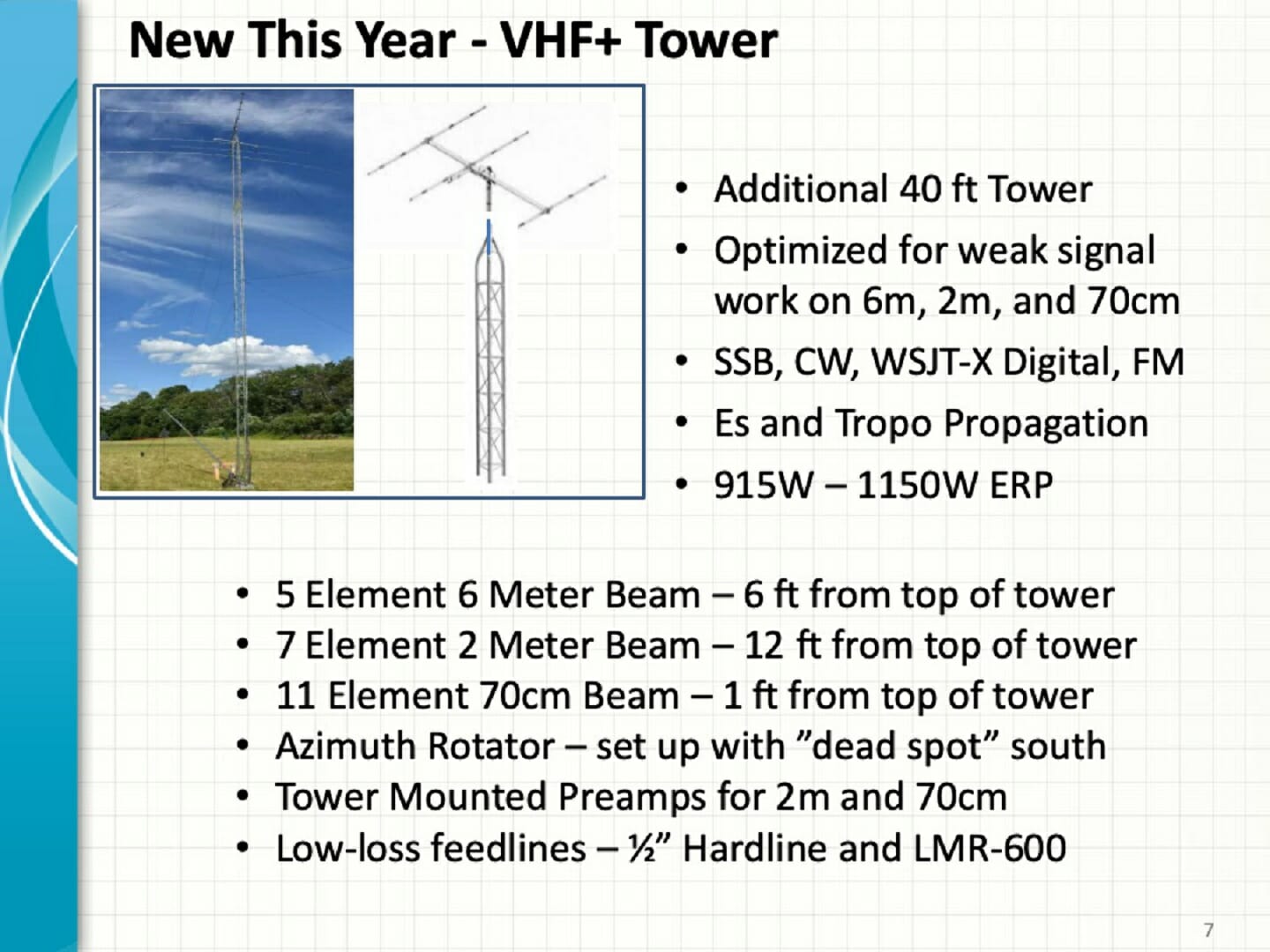
VHF+ Antenna System

We are planning a serious VHF+ effort at Field Day 2019. We will be putting up a dedicated 40 ft tower with yagis, low-loss feedlines, and preamps for the 6m, 2m, and 70cm bands.

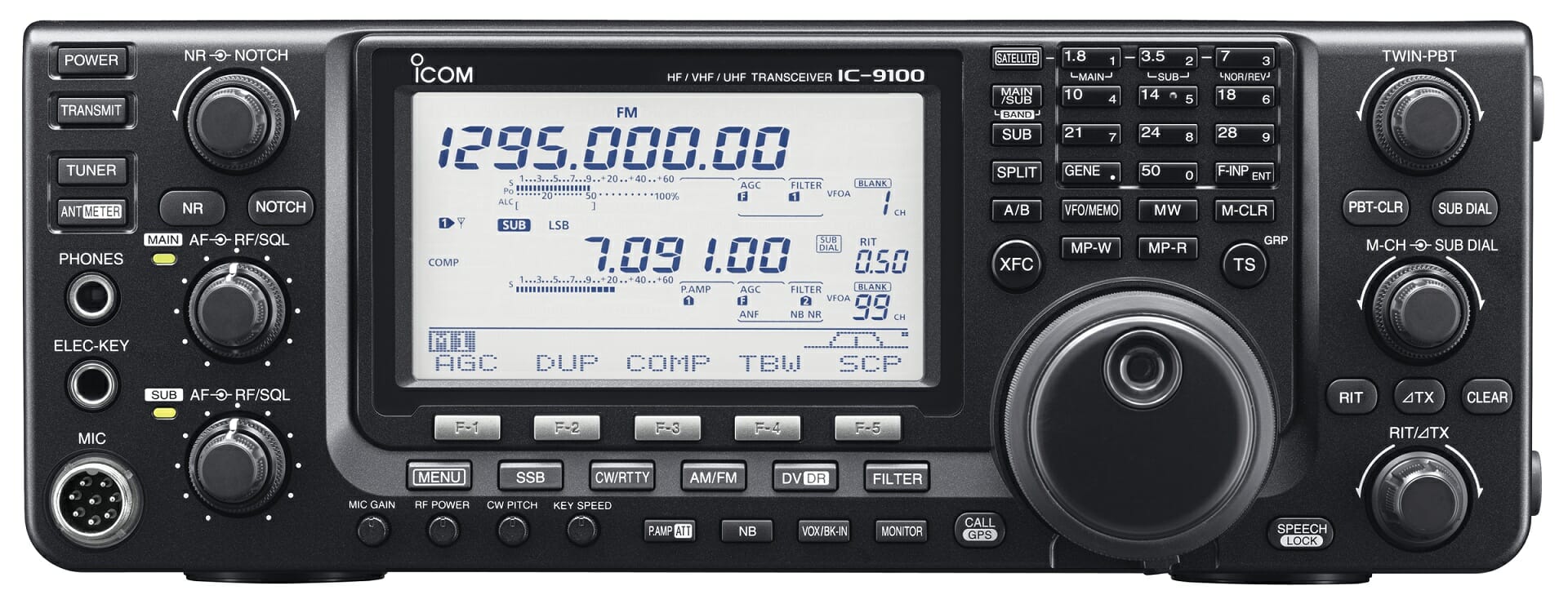
Icom IC-9100 Transceiver

The VHF+ station will use an Icom IC-9100 Transceiver and will support all modes including FT8 Digital operation via WSJT-X.

Fox Hunting

Field Day Fox Hunting
Large N1FD Fox

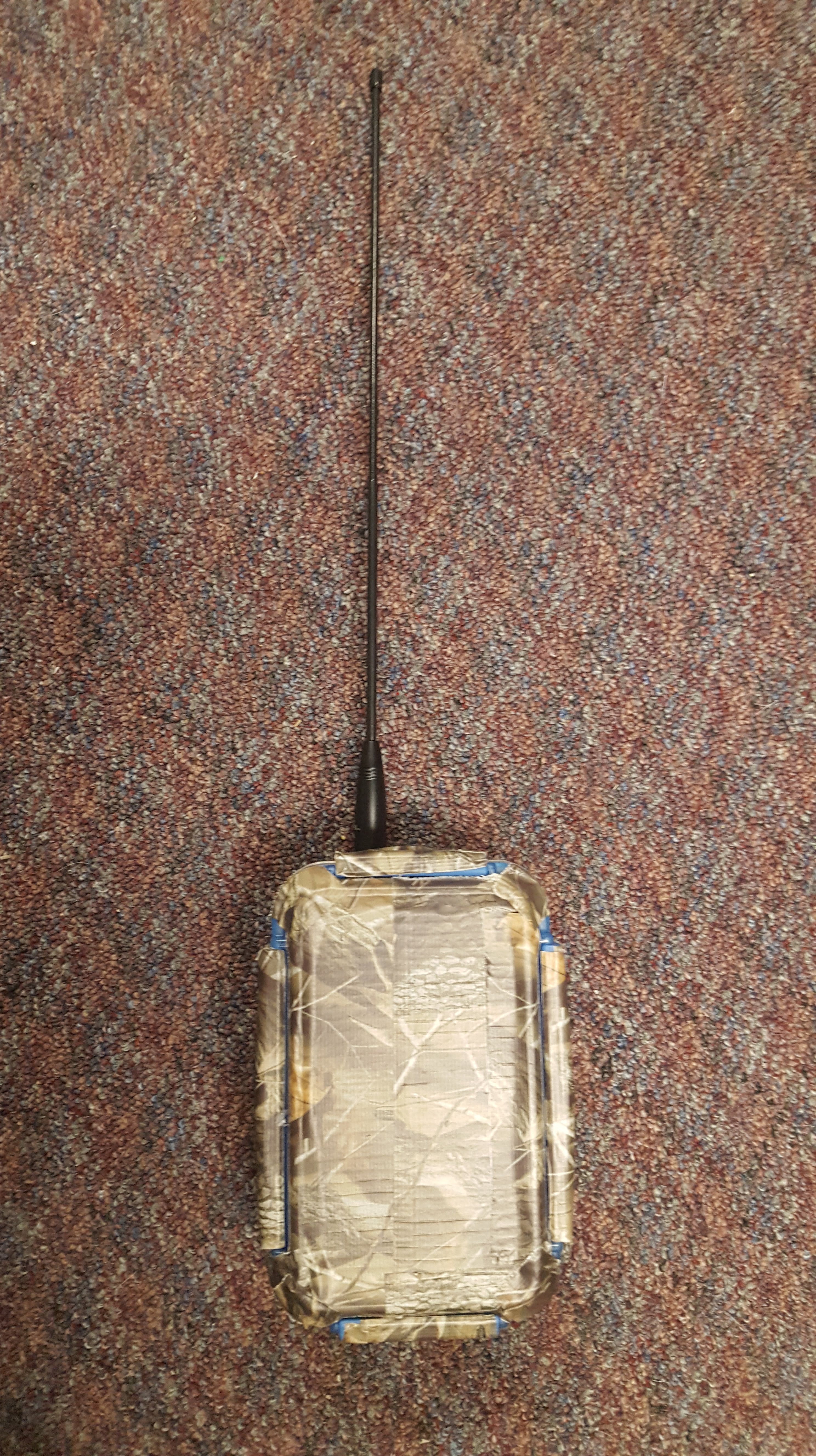
We will have several “Foxes” out during Field Day 2019. Fox Hunting (locating hidden transmitters using Radio Direction Finding) is a great way sharpen your RDF skills and have fun.

Training, Training, Training

Field Day Training
Field Day Satellite Training

We will be offering training on all of these activities at the start of Field Day 2019. Training will begin at 11 am at the VHF+/Satellite Station Tent. We will cover Satellite Operating, VHF+ Operating, and Fox Hunting then.

Field Day Training
Fox Hunting Training at Field Day

It might be worth coming to Field Day 2019 just for the training – Don’t Miss It!

See you at Field Day!

Fred, AB1OC


Skywarn Training Report

Late spring brings with it the start of a new severe weather season. As we saw this week in the Dayton area, severe thunderstorms and tornadoes can cause damage and threaten life. The Hara Arena, the former site of Hamvention was destroyed by a tornado.

National Weather Service forecasters track storms carefully using radar and automated weather observations, but their forecasts can be aided by Skywarn reports from trained observers. These eye-witness observations can validate radar data and help forecasters make decisions on whether to issue additional warnings.

I recently attended a Skywarn training session conducted by the Norton, MA National Weather Service office. The class was held at the Milford, MA Fire Department and lasted about two and a half hours.

Rob Macedo (KD1CY), the Norton office’s Skywarn amateur radio coordinator, taught the class with the assistance of an NWS forecaster. Rob started the training with an overview of how often southern New England has severe thunderstorms and tornadoes. He discussed a few of the tornadoes that have occurred in New England, and the role that Skywarn spotters played by informing NWS forecasters of conditions on the ground.

Rob taught that moisture, instability, and lift are the ingredients needed to form a thunderstorm. He also told us about the stages of a thunderstorm, thunderstorm types, and cloud identification.

The instructors spent quite a bit of time on thunderstorm types and cloud identification. Properly identifying clouds is key to spotters providing accurate reports to the forecasters.

The NWS forecaster concluded the training with a discussion on challenges of weather spotting in New England and the criteria for reporting weather phenomena.

This was the fifth time I’ve taken the course over the last 20 years. I was impressed by how the training materials use videos and photographs from New England to help prospective spotters better understand what they’ll see here. My first training I took in the late 1990s was done with a slide projector showing photographs of perfect examples of thunderstorms in the mid-west, things we’d never see here.

Skywarn training is a wonderful opportunity for any weather-lover, and a great way to fulfill our obligation to use amateur radio to benefit the public. Learn more about local Skywarn programs at the NWS Norton office, and at the WX1BOX website.

Brian, W1BP

Radio Amateurs Developing Skills Worldwide