Tag Archives: License Class

A Portable Satellite Station Part 4 – 2.0 Station First Contacts!

With our new 2.0 Satellite station built, tested, and packed; we were ready to try it in a portable environment.
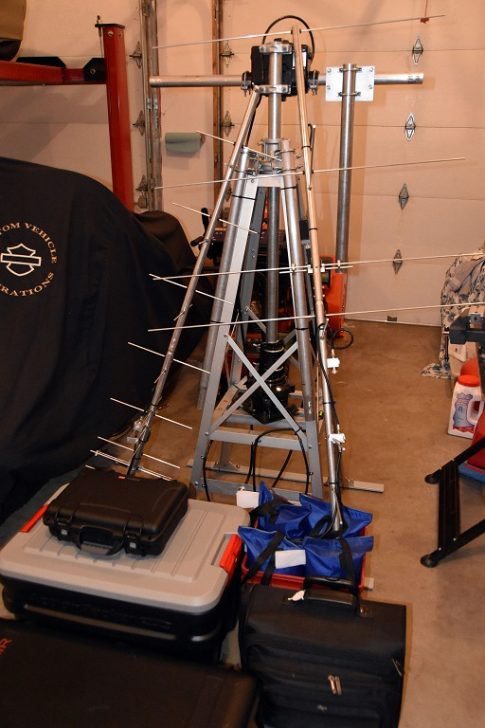
Satellite Station Packed and Ready for Transport
Station Packed and Ready for Transport

Fortunately, the Nashua Area Radio Club had a Technician License class coming up and we thought that the new station test would be a great way for our students to learn about Amateur Radio Satellites.
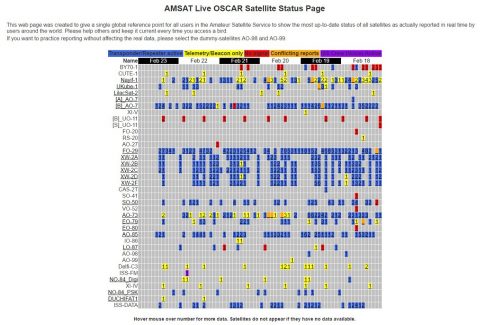
Satellite Status from AMSAT Website

Final preparations included checking the operational status of potential satellites on the AMSAT website. The page shown above is like a spotting cluster for LEO Satellites – it shows satellite activity as reported by HAM satellite operators. Using this information, we configured MacDoppler to track the active satellites.
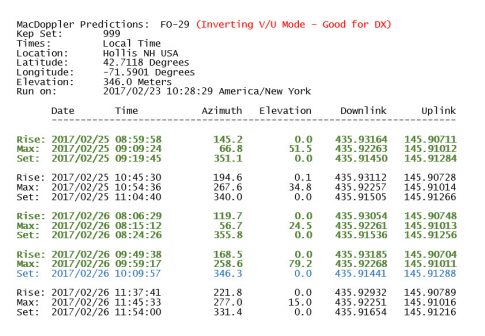
Satellite Pass Predictions

Next, we used MacDoppler to generate pass predicts for the weekend of our Technical Class. We assembled this data for all of the potential satellites and color-coded the available passes to identify those which had the best chance of producing contacts.

With this done, we loaded our portable tower, antennas, and all of the rest of the gear into our pickup truck and transported it to the class site.
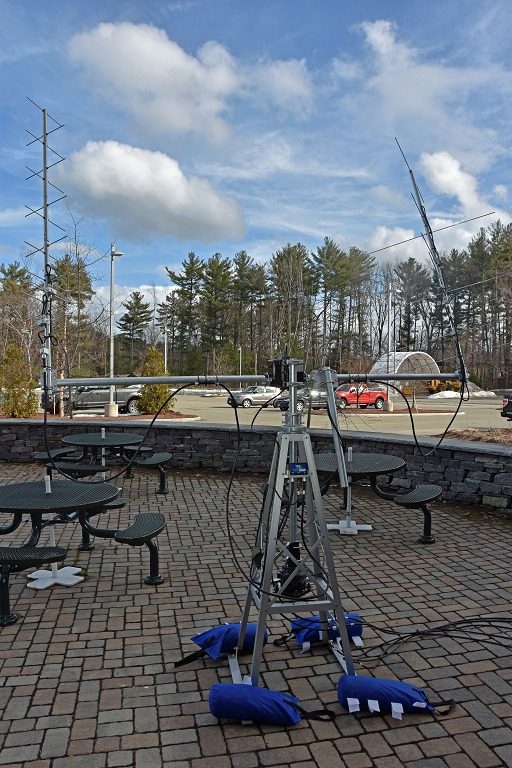
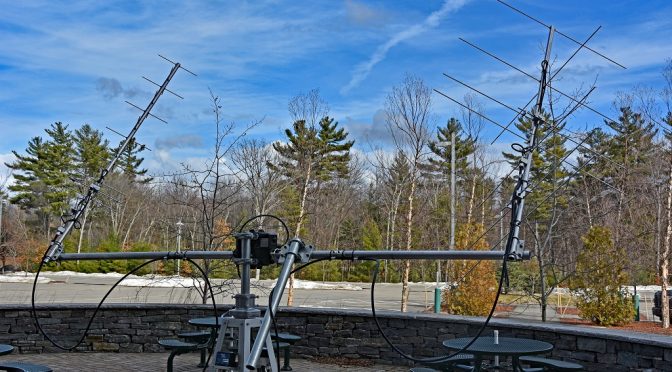
Satellite Station Antennas Setup Portable
Satellite Antennas Setup Portable

The first step at the class site was to unload all of our gear and move the portable tower to a suitable location. We used a compass to orient the tower to true north and leveled it. We used the weight bags that we made up to anchor the tower securely and then installed the antennas, rotator loops, and control cables. The antenna system worked out very well in the portable environment and was easy to set up.
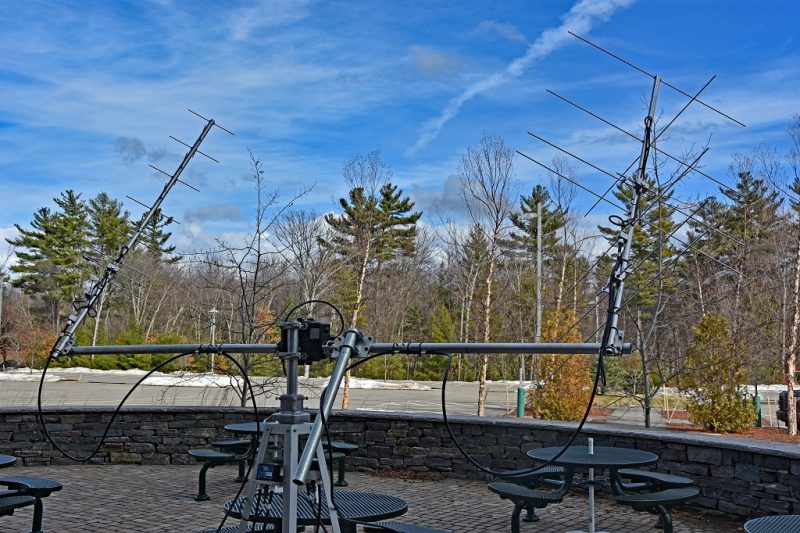
Satellite Station Antenna Details
Satellite Antenna Details

Here’s a closer to look at the LMR-400 UF coax cables which connect the antennas to the rest of the system. The loops just behind the antennas are necessary to keep the coax from affecting the pattern of the antennas. The coax cables shown were made long enough to allow the antennas to be rotated through their full travel in the azimuth and elevation directions without binding.
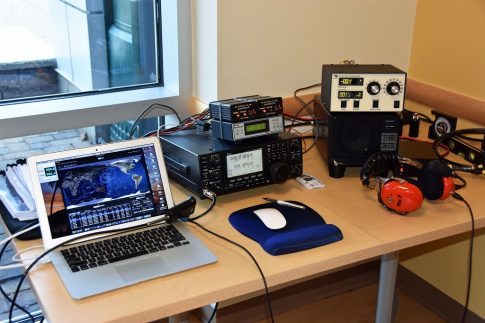
Satellite Station Portable – Radio and Supporting Equipment

The final step in the portable setup was to put the IC-9100 Transceiver and Supporting Equipment together in the building and check everything out. As soon as we got everything hooked up and working, we heard an ON4 station through FO-29 which was near the end of a low angle pass. A very good sign!

We took some time to fine-tune the calibration of our rotators and to check the operation of the computer controls – everything checked out fine. The video above shows MacDoppler controlling the Azimuth/Elevation rotator and the IC-9100 Transceiver during the testing.
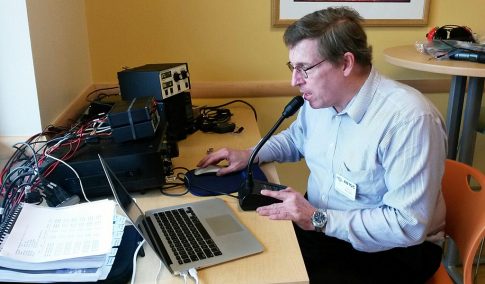
First Contact using New 2.0 Satellite Station (via AO-85)
First Contact using New 2.0 Station (via AO-85)

With all the setup done, it was time to try to make our first contact. Fortunately, we did not have long to wait. We caught a medium angle pass of AO-85, a U/V Mode FM Easy Sat. With MacDoppler setup and tracking, we immediately heard contacts being made through AO-85. I gave a whistle and adjusted my uplink VFO until I heard my signal coming back through AO-85. I gave a quick CQ call and immediately got a response from Jonathan, NS4L in Virginia, USA! It took on a few seconds to exchange call signs and grid squares and our first contract with our new station was in the log.
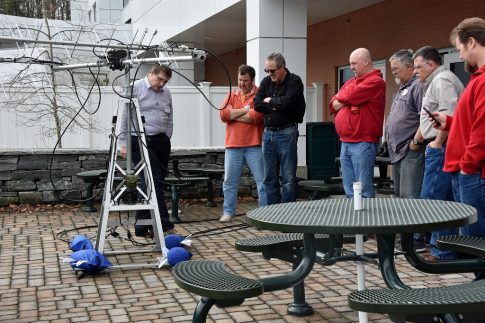
Explaining Satellite Station to License Class
Explaining Satellite System to License Class

Our Technician License Class students were very interested in the station. We spent some time explaining the setup and demonstrating how it worked. We made more contacts between our class sessions using AO-85 and FO-29 (a V/U Mode Linear Transponder Satellite). Our most interesting contact was with Burt, FG8OJ in Guadeloupe through FO-29. It was great to work DX using the new station during the first time we used it.

We learned several things during our first use of the new station. First, while the 35 ft. maximum separation allowed between the antenna system and the rest of the station is adequate in many applications, the antenna system’s close proximity to the building we were in blocked passes to the west of us with this separation. We have subsequently made up an additional set of feed lines using a pair of 100 ft. long 7/8″ hardline coax cables to allow for a greater separation in portable deployments such as this one.

We were glad that we had the Heil Pro 7 Headset with us and we used it for most of our contacts. The separate speaker allowed our students to hear the contacts well and the boom microphone on the Pro 7 Headset eliminated feedback due to our own voice coming back through the satellites. We improvised a mono to stereo converter cable to connect the Heil Pro 7 Headset to one of the two speaker outputs on the IC-9100 Transceiver. This allowed the radio to drive the separate speaker and the headphones at the same time.

We were glad to have the low-noise preamps available. These were especially useful during low-angle satellite passes and the sequencing setup that we built worked well.

All in all, our first test of our new 2.0 Portable Satellite station was a success. Our license classes students enjoyed learning about Amateur Satellites and had fun along with us making contacts through a few of them. Our next goal will be to get packet modes and APRS working with our setup. We plan to do another article in this series when this part of our project is completed. Other articles in this series include:

We are planning to add larger antennas and switchable polarity to our portable satellite station in the near future. This will enable us to make contacts with Satellites and the ISS in more difficult conditions.

You may also be interested in the satellite station at our home QTH. You can read more about that here.

Fred, AB1OC
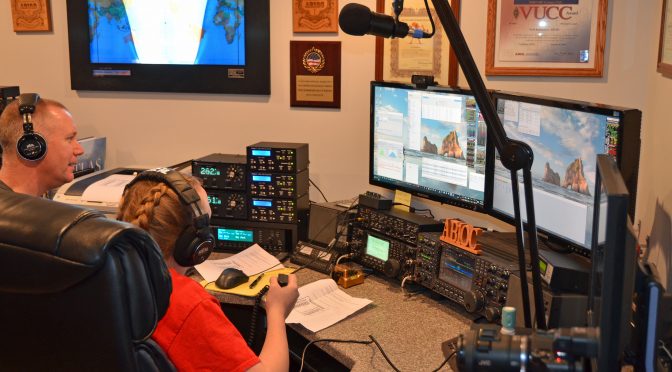
Why Ham Radio?

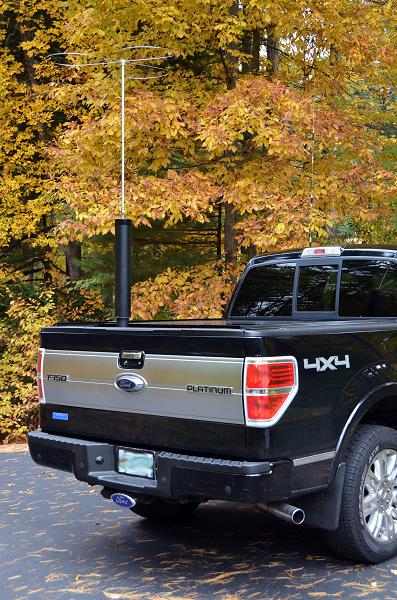
Why Ham Radio - Fred's Truck Antenna
Fred’s Truck Antenna

Sometimes I drive Fred’s truck into work and people ask me what that big antenna on the back of the truck is for. I explain to them that it is for Ham Radio.  But the reply is usually “Why ham radio?”  Isn’t that outdated technology?  We have cell phones and IM, etc…what do we need Ham Radio for?  Here are my thoughts as a relatively new Ham about why I enjoy spending much of my time with Ham Radio.

Why Ham Radio - Amateur Radio for Public Service
Amateur Radio for Public Service

Public Service

The number one reason we still need Ham Radio along with all the other technology is for public service.  When there is a disaster and cell phones, television, … are all not working, Ham Radio operators provide critical communication.

Ham Radio operators help locally to keep hospitals and first responders in contact with each other to help those affected by the disaster.

We also use our ability to communicate around the world to help family members to get in touch with loved ones affected by a disaster.

Ham Radio operators have been on the scene helping in every disaster from the earthquakes in Nepal to the recent flooding in California.

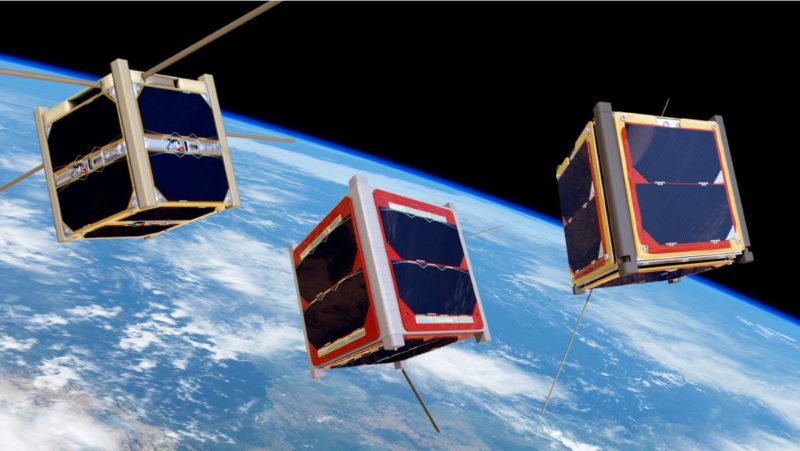
Why Ham Radio - Amateur Radio Cube Satellites
Amateur Radio Cube Satellites

Technology and the Maker Movement

I only became a Ham 5 years ago but many of my fellow Ham Radio operators got their license when they were in their early teens. Some have used what they learned to launch their careers. Many have had successful careers in STEM fields, all launched by their interest in Ham Radio at a young age.  As technology advances so does the technology used in our hobby.   We even have a Nobel laureate, Joe Taylor K1JT who is a ham. Joe has developed weak signal digital communication modes that let us communicate by bouncing signals off the moon!

As technology has advanced, so has the use of it in Ham Radio.   Most Ham Radio operators have one or more computers in their shack.  Many also have a software designed radio (SDR), where much of the radio functionality is implemented using Software. Hams use sound cards to run digital modes, which are a lot like texting over the radio. We use the internet extensively as part of operating.  We can also make contacts through satellites orbiting the earth and even the International Space Station.

Homebrewing

Most hams love do-it-yourself technical projects – building a station, home brewing an antenna, building a radio or other station component.  In my day job, I am a program manager for software development projects.  It has been a while since I have built anything myself.  As a Ham, I taught myself how to code in Python and about the Raspberry Pi and I built the DX Alarm Clock.

Why Ham Radio - QSL Card from VK6LC in Western Australia
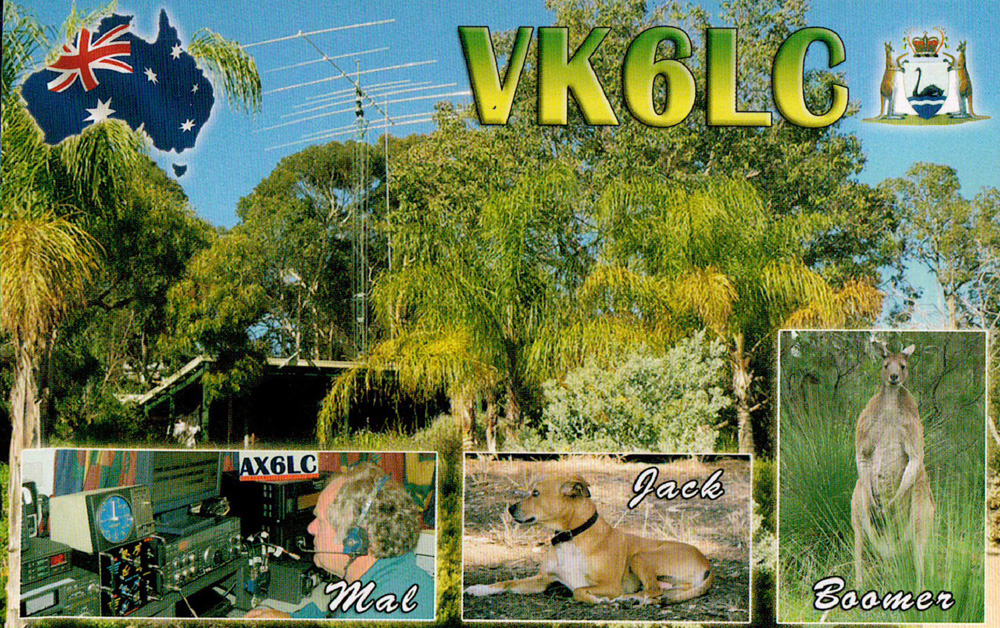
QSL Card from VK6LC in Western Australia

International Camaraderie

One of the coolest things about being an amateur radio operator is that you can communicate with other hams all over the world. Ham Radio is an international community where we all have something in common to talk about.  That is our stations and why we enjoy ham radio.    The QSL card above is from a memorable QSO with Mal, VK6LC, from Western Australia, who was the last contact that I needed for a Worked All Zones award.  I must have talked to him for 1/2 hour about his town in Australia and his pet kangaroos!

Why Ham Radio - Amateur Radio Map of the World
Amateur Radio Map of the World

Geography Lesson

I have learned much about geography from being on the air and trying to contact as many countries as I can.  There are 339 DX Entities, which are countries or other geographical entities.  I have learned where each one is in order to understand where propagation will allow me to make a contact.  I have learned a great deal about world geography. Through exchanging QSL cards often get to see photos from so many areas of the world.

Why Ham Radio - DXCC Challenge Award Plaque
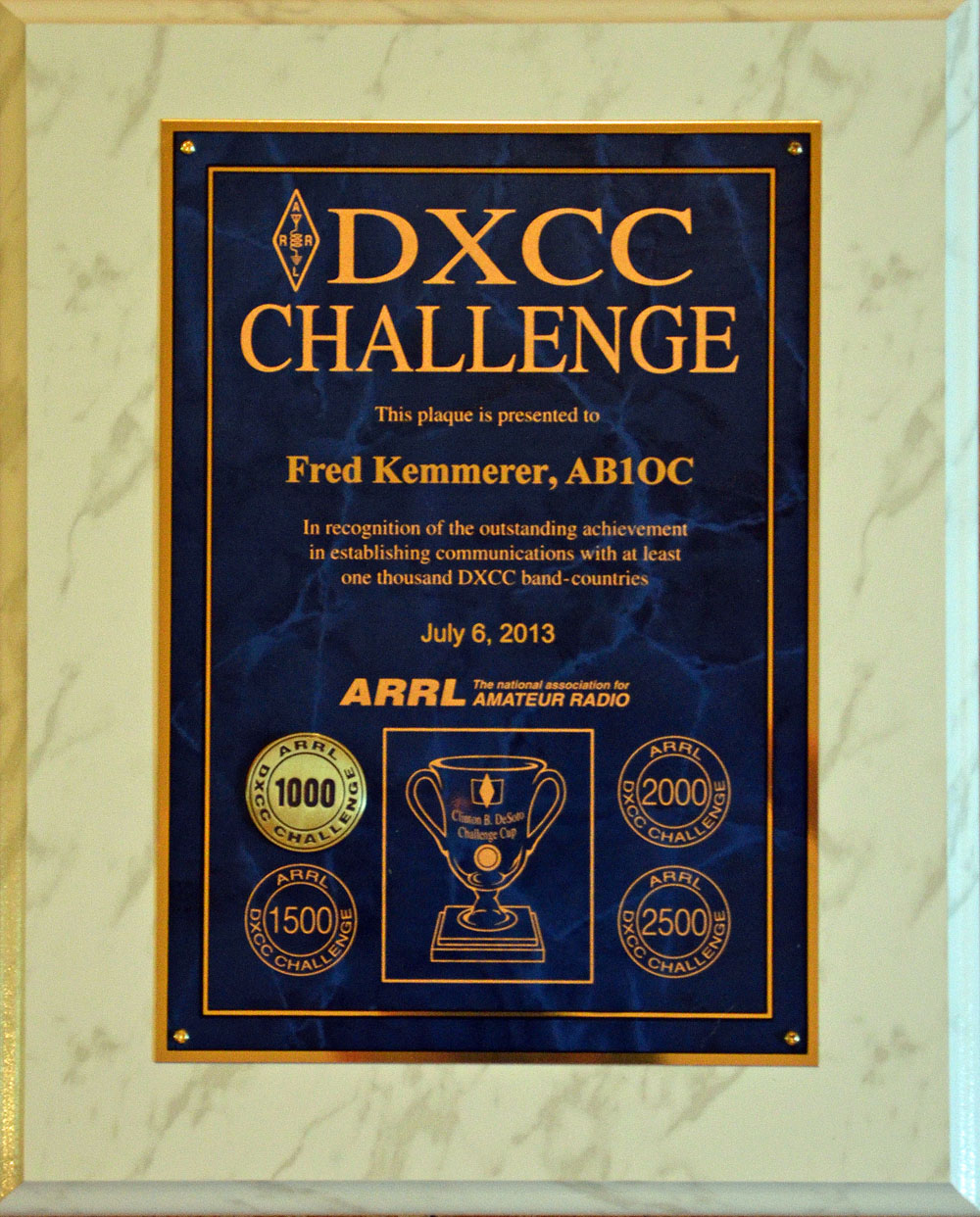
DXCC Challenge Award Plaque

Achievement – DXing and Contesting

DXing and Contesting provide a sense of achievement and exciting opportunity for competition. Many Hams work toward operating awards. You can get an operating award for contacting all 50 states or contacting 100 or more countries.  There are also awards for contacting Islands, cities in Japan, countries in Asia, or anything else you can imagine.  Each of these operating awards provides a sense of accomplishment and helps to build skills.  Contesting builds skills through competition among Hams to see who can make the most contacts with the most places in 24 or 48 hours. Contesting also improves our operating skills and teaches us to copy callsigns and additional data accurately.

Why Ham Radio - Teaching a License Class
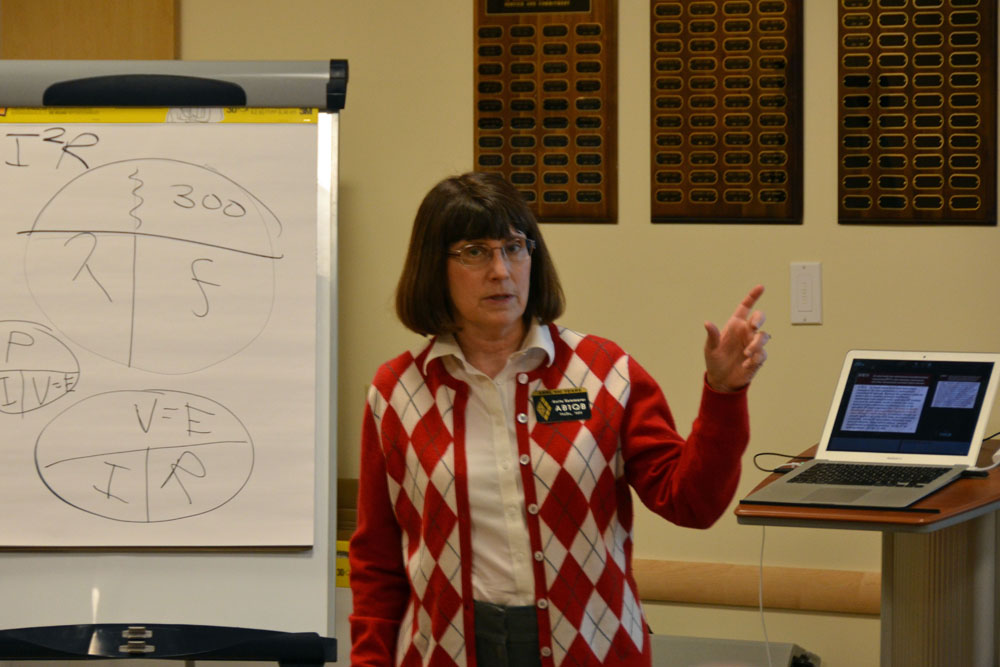
Teaching a License Class

Teaching Licensing Classes – Passing it On

Recently I joined a team of club members who teach license classes to others who want to get licensed or upgrade their existing licenses.  Teaching provides a way to improve my presentation skills. It also helps me to really understand the material that we teach about Amateur Radio.  It is a thrill at the end of the class to see many people earn their licenses or upgrades.

There are so many interesting aspects of Ham Radio which are what makes it such a great hobby.  Getting your license can open up a world of possibilities.  Upgrading to a new license class provides more opportunities to communicate over longer distances.  Our club provides many resources to help you get your first license, upgrade to a new license class, and learn about the many aspects of our hobby.

Anita, AB1QB

Our Club Moving Forward Into 2017

Our club has accomplished a great deal in the last year. We have grown to over 130 members. We have introduced many new people to Amateur Radio, helped them to earn their Licenses and worked with them to get on the air and develop their knowledge and operating skills. We’ve also worked hard to provide opportunities to enjoy and learn about Amateur Radio for members of our club and for the Amateur Radio community which we are a part of.

Much of the credit for our club’s success this past year belongs to you, our members. We very much appreciate all that you have done to contribute to our success and the fun that we have all had as part of what we have done together. Your enthusiasm and support provide great encouragement and inspiration to the many new members who have joined us as well as to all of us who are part of our club’s Leadership Team.

We, as your club’s Executive Committee, have been working on a set of goals and plans to continue on this path during 2017 – to provide even better opportunities for our members to learn more about and to enjoy Amateur Radio, to continue to encourage people to join the Amateur Radio Service, and to provide opportunities for STEM learning for young people.

Our goals and focus for 2017 centers around continued success in and focus on the following areas to benefit both our members and our community as a whole:

To do these things and to be successful as a growing club, we are also pursuing status as a 501(c)(3) non-profit. This will enable our club to more effectively secure support from other groups to further our work towards these goals.

Each of us has taken ownership for creating a focus on meeting different aspects of our goals for this year. We are planning to share more about our plans for 2017 at our February Club Meeting.

We are asking that each of you, as members, to consider how you can get the most from all of these and the other opportunities that our club provides. We are working hard to try to create something for everyone that can provide enjoyable opportunities to have fun, to contribute, and to expand the value that we all create and derive by being part of the Amateur Radio Service. We are also asking each of you, our members, to consider helping us with these initiatives in 2017.

  • Jamey Finchum, KC1ENX – Membership Chairman
  • Anita Kemmerer, AB1QB – Activities Chairman
  • Brian Smigielski, AB1ZO – Programs Chairman
  • Mike Ryan, K1WVO – Interim Secretary
  • Wayne Wagner, AG1A – Treasurer
  • Greg Fuller, W1TEN – Vice President
  • Fred Kemmerer, AB1OC – President

Radio Amateurs Developing Skills Worldwide