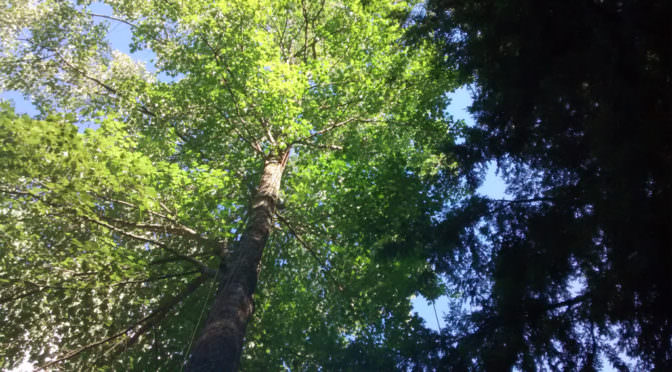
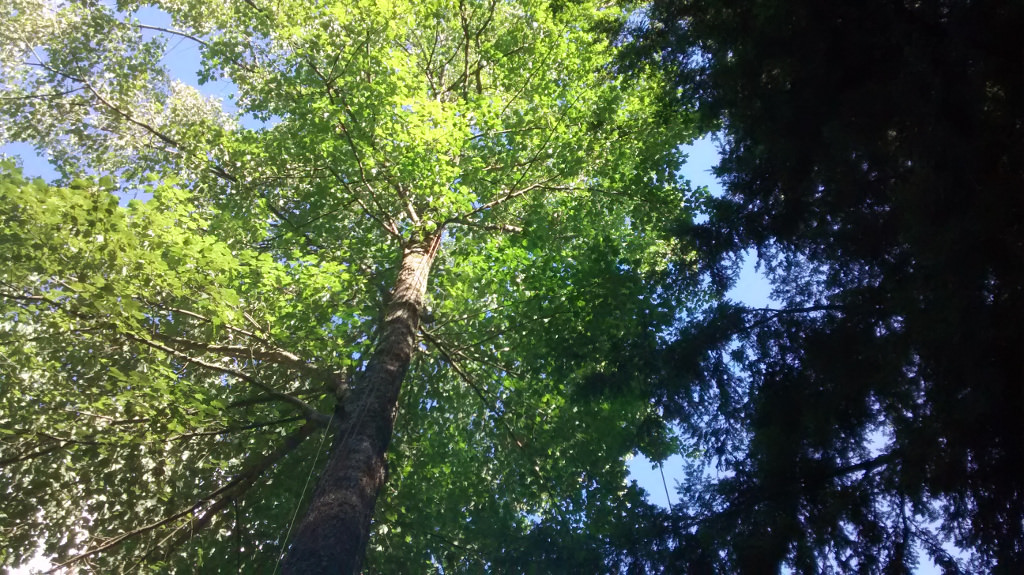
I wanted to make an article that would explain to anyone who visits my home or QTH that would answer the question on “How did you get that rope so high in the trees and how did you get that rope over the perfect branch?
I started out with a fishing pole and a 4-inch long stick from the woods. After a few attempts of getting the stick up and over the tree with the fishing line it finally made it over the tree and back to the ground. I then reeled in all the fishing line while pulling a string over the tree. After the string, I used it to pull over 3/8” poly rope.
I came up with the following idea to get a rope over the perfect branch.
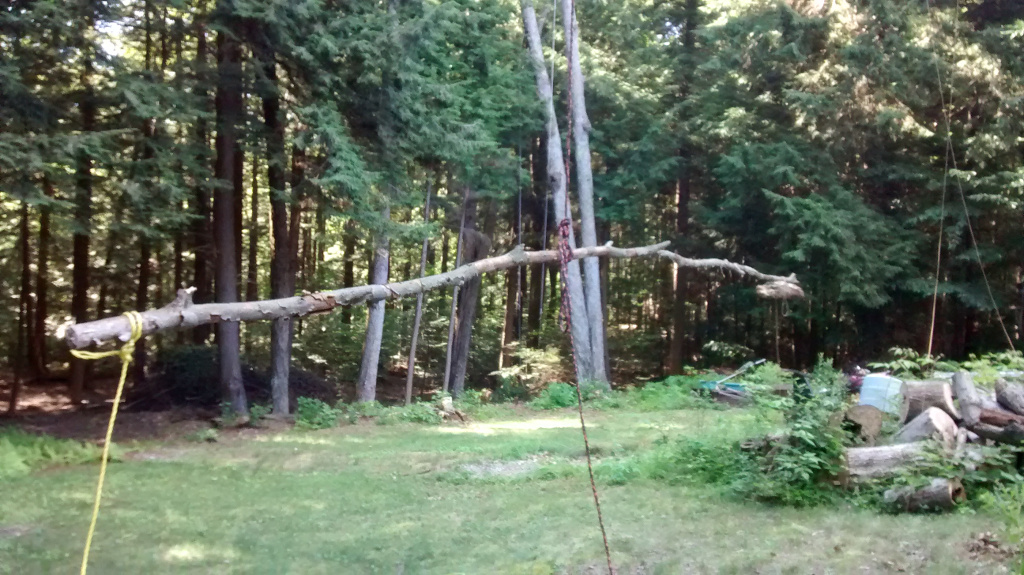
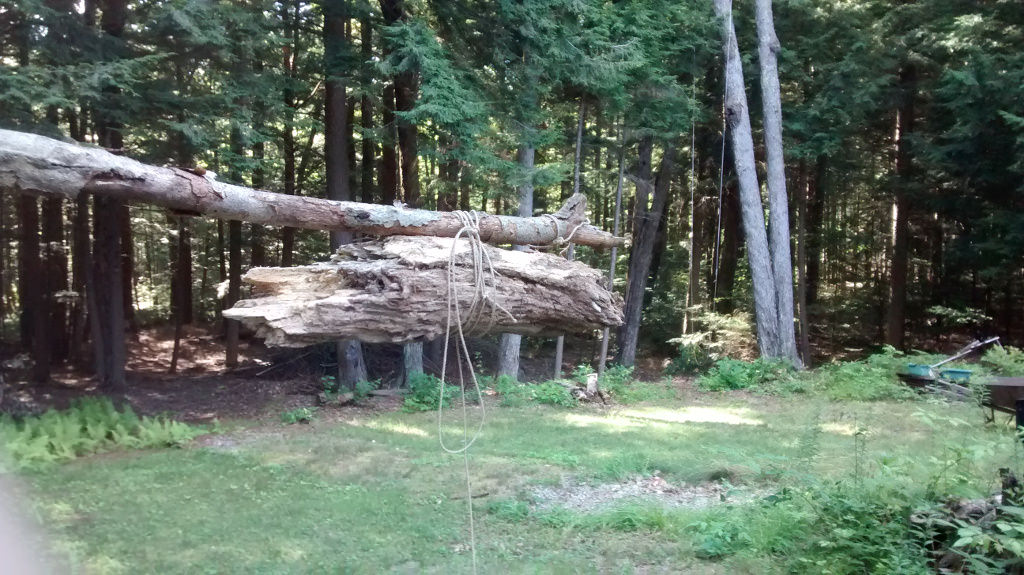
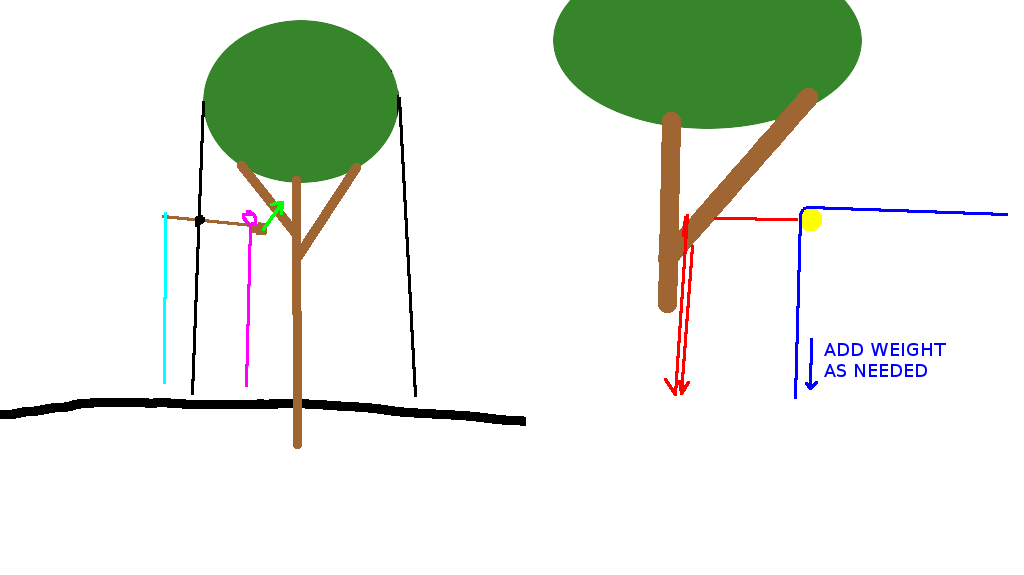
The 3/8″ line holds an old branch from the woods in the center. The yellow rope to the left is the “control line” and the right side has a half rotten log as a weight secured with a slip knot as shown below.
In the diagram below the light blue line represents the yellow control line from the photo. As you lift the whole unit you should consider that the weight of the control line may offset your balance as you go higher. The magenta line shows the string with a slip knot. When the half rotten log made it over the desired perfect branch by combinations of pulling the 3/8″ rope at either end (shown black) and/or the control line (shown light blue) I pulled out the slip knot and the half rotten log fell over the perfect branch along with the string (shown magenta).
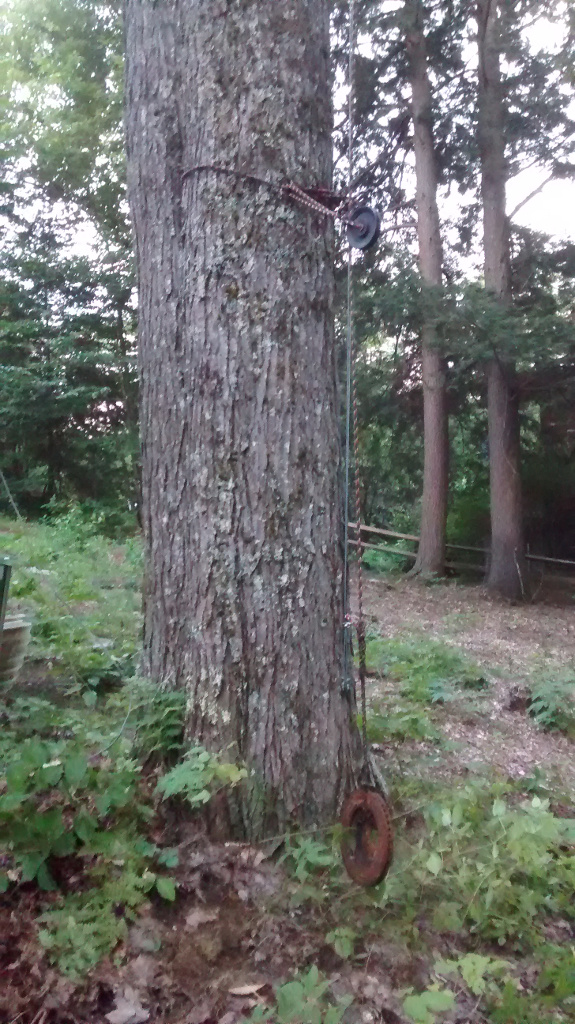
I replaced the string with rope and then a wire rope loop (shown red). The wire rope will not fade and fall apart from the sun’s UV rays. The yellow circle represents a pulley for the poly rope that holds up the dipole. When the poly rope breaks down from UV, wear and tear it can easily be replaced by lowering the pulley. I added weight to maintain proper tension on the dipole antenna as shown below.
In theory, the tension will remain the same even in wind storms when the trees swing back and forth. It turns out that an old cast iron rotor from my Toyota was the perfect weight for the application!
Every year (for me it’s 4-5 years, but for my XYL it’s about 33 years) in July, my XYL and I go camping for a week at Papoose Pond in North Waterford, Maine. It’s not the camping I’m used to from my younger, more ruggedly handsome days. Some will, in fact, call it a shade of glamping. For those of you who aren’t hip, that stands for glamorous camping. You will not have the opportunity to don your newest compact North Face tent or showcase your portable propane stove. Instead, you’ll find families with RV’s, large tents housing inflatable mattresses, a spigot, electrical outlet, and pretty much whatever other comforts of home that you wish to lug up with you. It’s family camping at a family campground. There are activities galore, especially for kids. So why not indulge, and bring a radio?
I have wanted to try out a Buddipole for a long while now. As I don’t own one, I asked Fred AB1OC and Anita AB1QB if I could borrow theirs. After explaining I wanted to work 40 and 20m, they hooked me up with the proper accouterments, a copy of Scott Anderson’s NE1RDbook, and well-wishes for a fun trip.
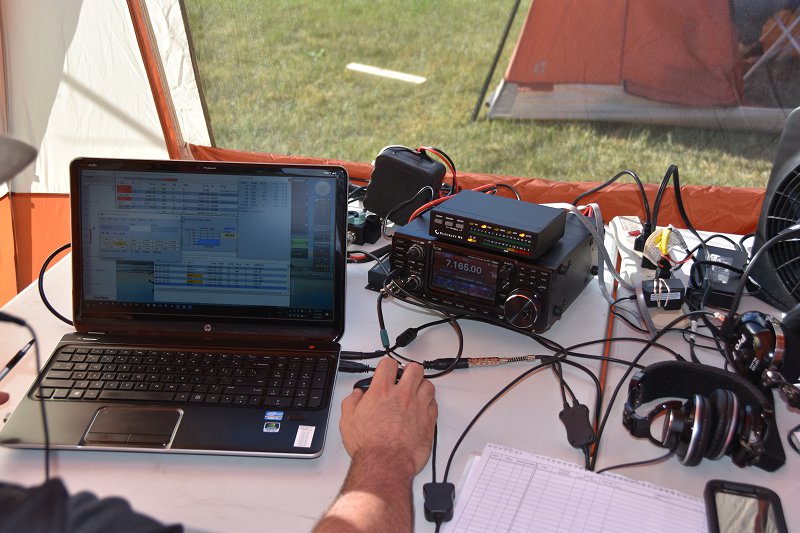
The plan was simple. Bring up an IC-7300, Buddipole, analyzer, power supply (since I would have electricity), and a paper log book that my XYL got me for Xmas this past year. She started laughing when I told her the plan and was excited for me to have some fun and make some QSOs.
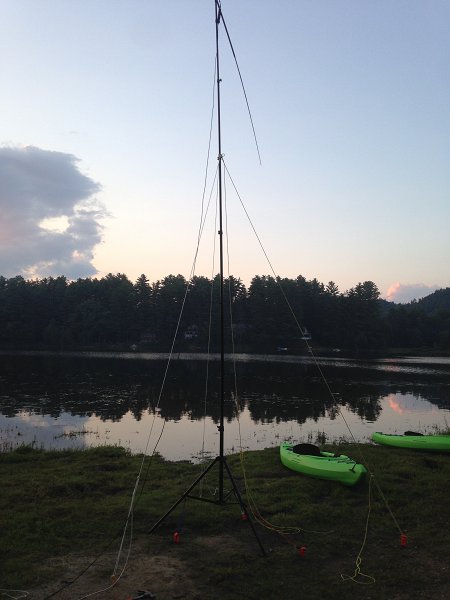
The Buddipole went up lickety-split fast. In fact, here is one artistic (if I do say so myself) photo of it deployed in the field.
Deployed Buddipole
It looks pretty sick being on the water with my neon green kayaks lingering in the picturesque background, eh?
Cue the antenna analyzer. I started out trying to work 40m and my SWR…well…it sucked. There really is no better way of saying it. And it kept getting worse no matter what I tried. I know that Scott’s book was dropping knowledge bombs on me, but it wasn’t coming together for me. (Clarification: It is no fault of Scott’s, but of the author of this post) At many points, the analyzer was saturated at 10:1. If the analyzer could have spoken, I imagined it would choose to sound like a snarky Brit, politely but decidedly insulting my intelligence. AB1ZO’s patience was running thin.
And then…I literally hear someone say “knock, knock” and a fellow I did not recognize emerged on my camp site. He said to me, “Hey, I’m Mike, NU1H” and mentioned he saw me setting up the Buddipole from the beach and it was like a beacon (perhaps more like a siren’s sweet, sweet call), beckoning him over to my location. He brought a 7300 and Buddipole too, which he just set up over at his site a few hours earlier and wanted to give me a hand! Alleluia, Sweet Jesus, Amen — I found religion for a moment.
Mike worked with me for what I think was close to two hours giving me lots of helpful tips and showing me checks I could perform to make sure I had everything tuned up properly. (He must have had the magic touch because his very presence lessened the SWR on 40/20 m to under 1.5:1.) For instance, he recommended that to ensure I found the right tap point on the coils, get the rig powered up and centered on a loud station. Then, one-by-one, change the tap point to see what happens to the quality of the sound. If you hear it rise and then fall, then you know you passed the sweet-spot.
We exchanged stories about our HAM adventures, the equipment we purchased (some pics below), and I told him about the Nashua ARC and my own station at my QTH. We just had a great time.
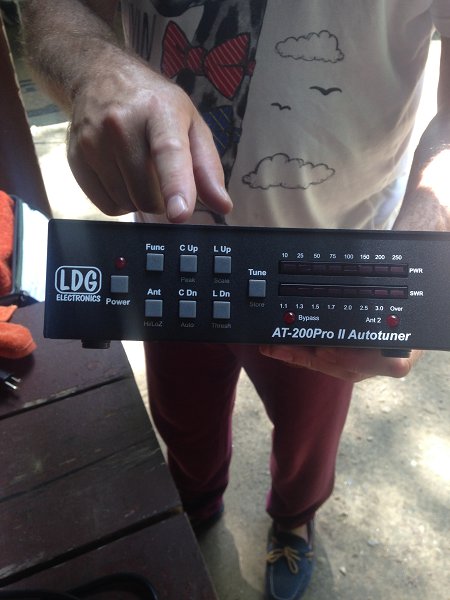
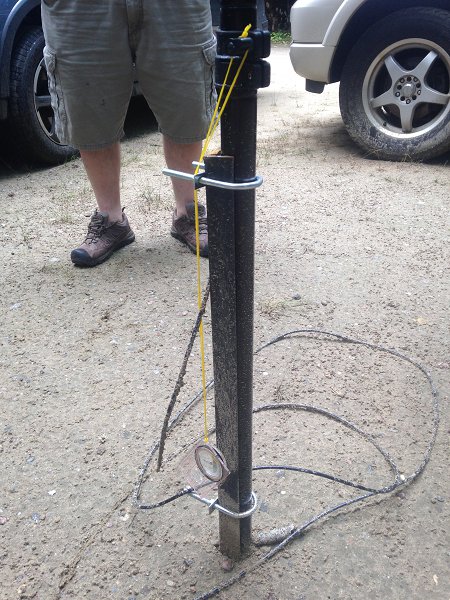
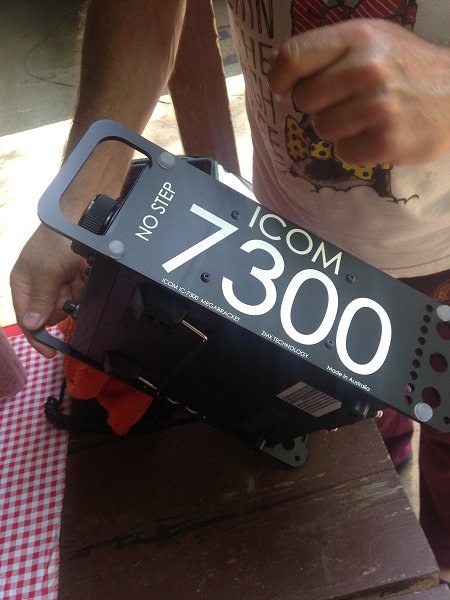
Recommended LDG Antenna Tuner; ad in June issue of QSTAn alternative to guying Buddipole; Mike (NU1H) uses an angle clamp hammered into the ground with some U-bolts attached to the base.Mike (NU1H) has handles for his 7300 which makes travel much easier, and conveniently fits into his Pelican case.
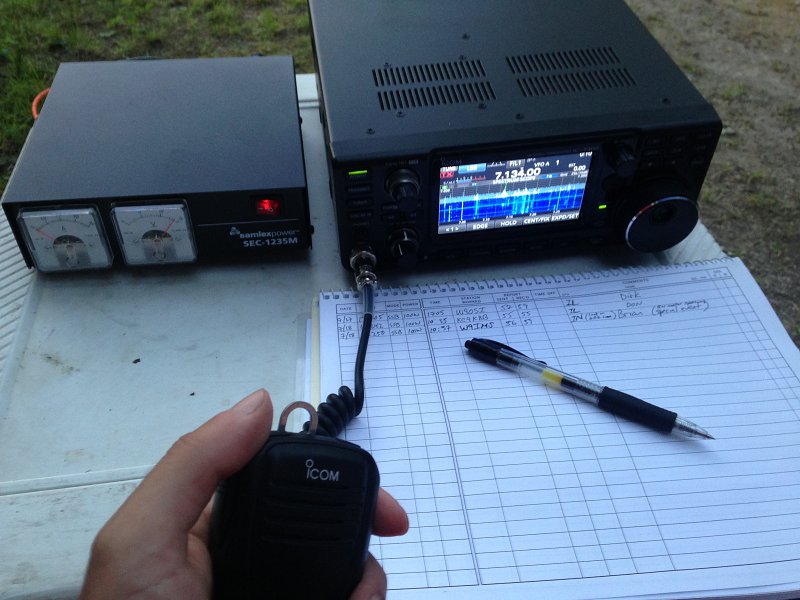
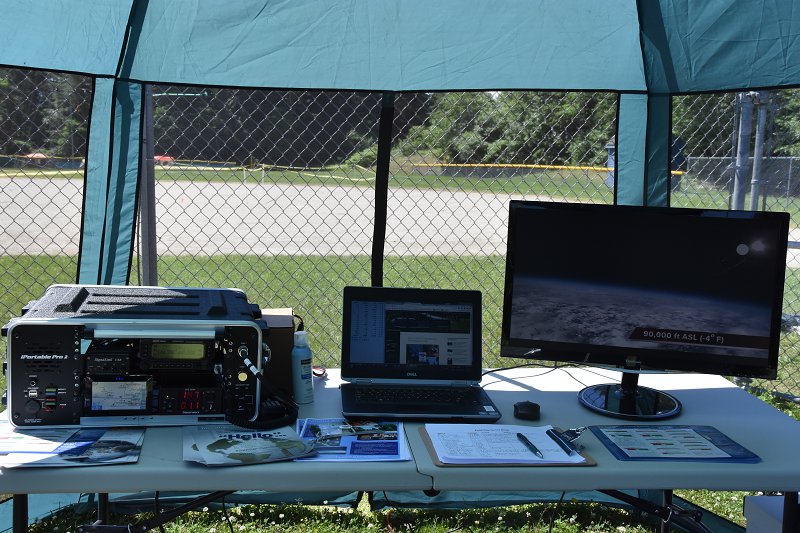
Finally, once everything was up and running, I snapped a quick pic of my portable station.
Portable station at the camp site
During my camping trip, in between kayaking, catching up on some reading, and honestly — being able to take a nap at 1 pm, I made 3 QSOs. I was in a bit of a valley and when I did receive a few signal reports, they informed me that my signal was a bit weak. That coupled to the QRN due to thunderstorms on the horizon, I’m not too surprised I wasn’t getting picked out of the noise.
Some people would call my QSO count a fail. I don’t. It was the experience. I was able to make a new friend and learn a ton of things. Indeed, a very valuable lesson is that I will be doing this again the next year — and the next, and the next…
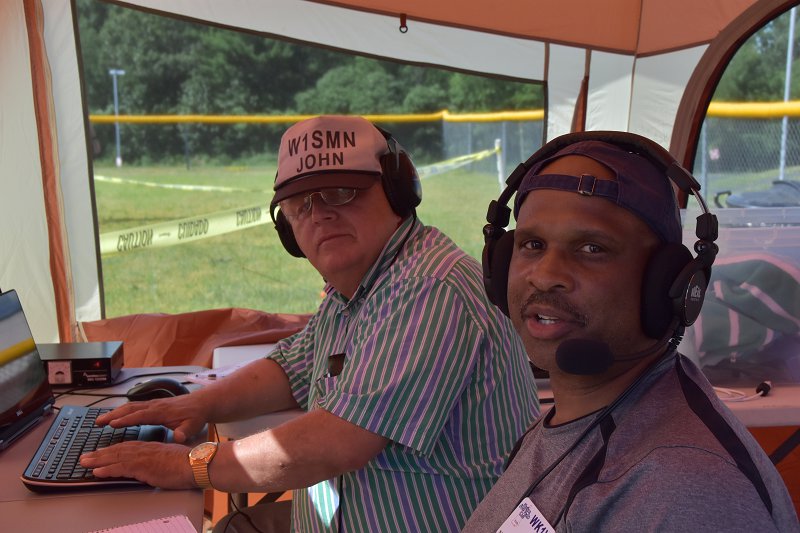
Field Day 2017 is but a memory for us now. Dave, K1DLM, our Field Day Chairman, and the entire Field Day team did a great job with putting together our Field Day operation this year.
We are still adding up our score and collecting pictures and video from everyone. I wanted to get something out quickly so that we could begin to enjoy some of the memories. So here is my quick Sights from Field Day 2017….
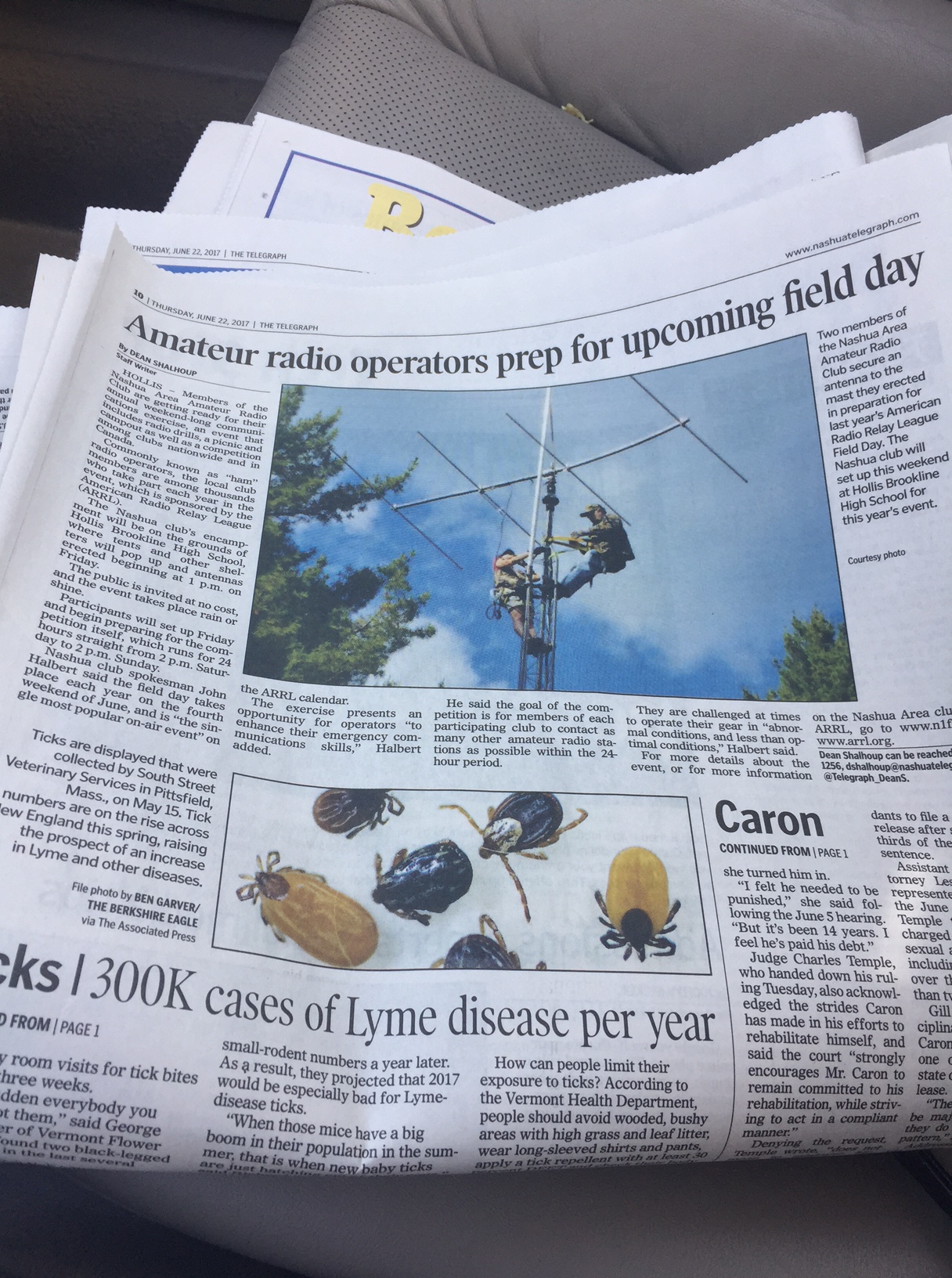
Our Field Day Telegraph Article
We did a fantastic job on publicity this year…
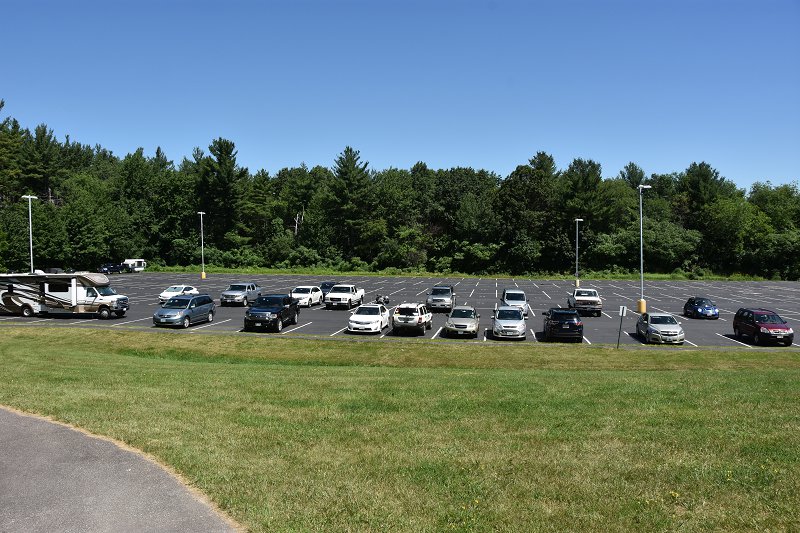
The Parking Lot Was Full
and the parking lot was full of visitors and members on Saturday and Sunday.
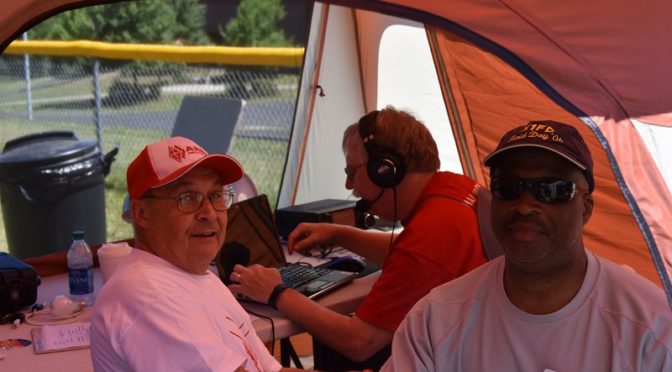
Our Public Info Tent Is A Hit
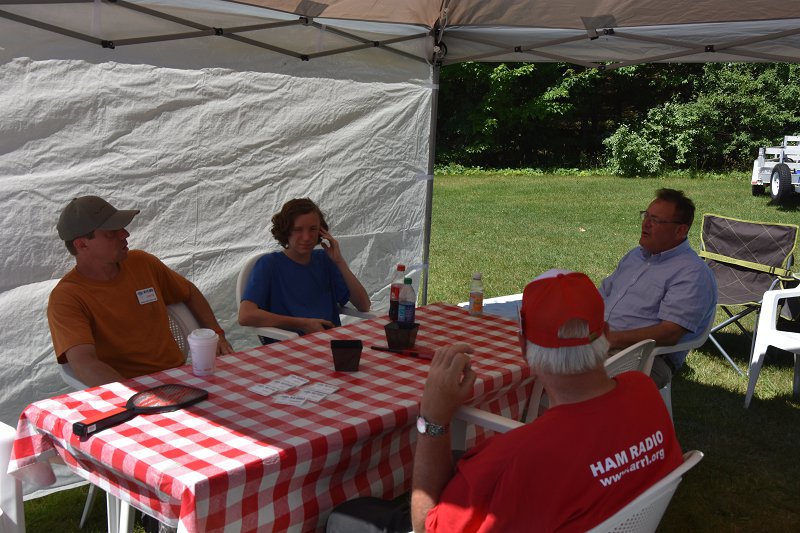
Our updated Public Information Tent was a hot spot for our many visitors (over 45 visitors signed our guest register)!
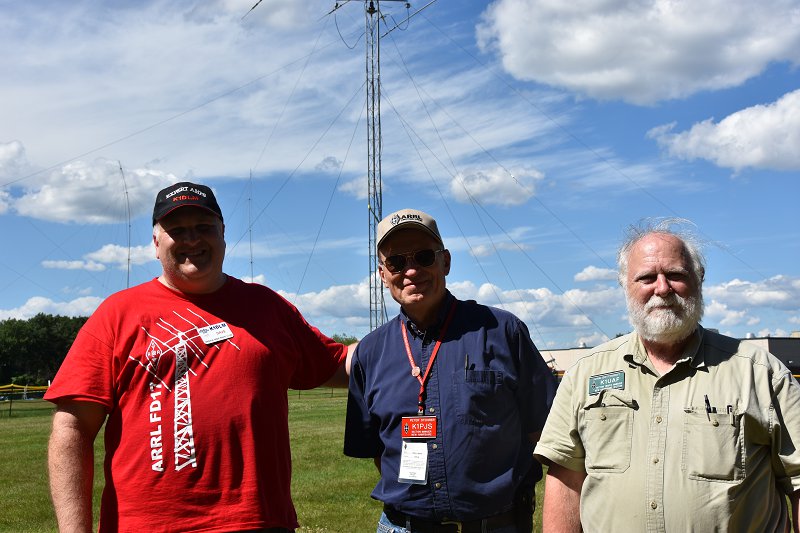
ARRL Section Leaders – Peter, K1PJS And John, K1UAF
The ARRL “brass” came out early to congratulate Dave, K1DLM our Field Day Chairman, and to tour our site.
The Food Was Awesome!
The food was unbelievably good – thanks, Valerie!!! And the N1FD cafe’ was a hot-spot as usual.
Everyone operated very hard and we made more contacts than last year!
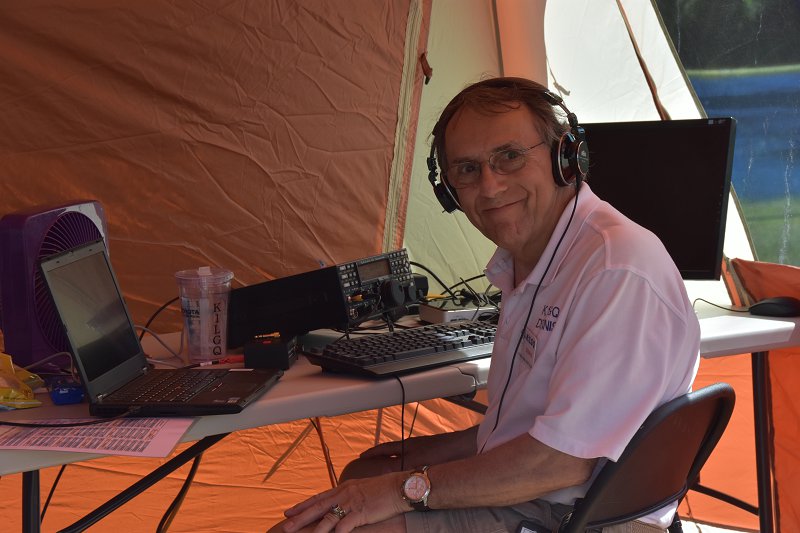
CW Ops – Dennis, K1LGQ
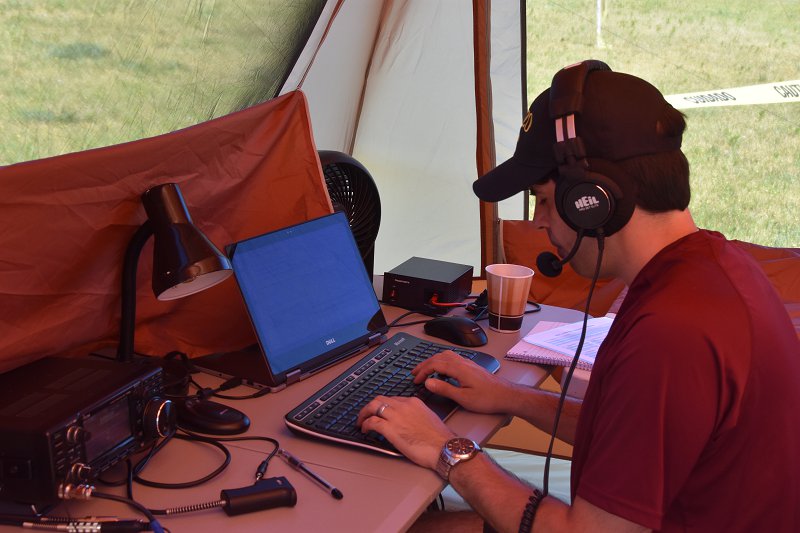
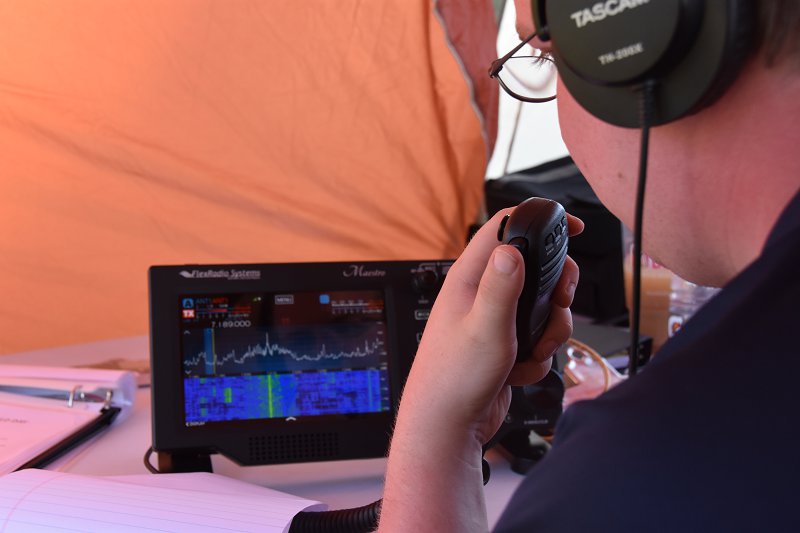
Our CW operators were amazing again this year. Here’s Dennis banging out CW QSOs. Dave, KM3T even operated SO2R for a period – calling “CQ” and working contacts on both 20M and 40M CW at the same time! Gene, W3UA brought his CW skimmer and we set up an OCF dipole to provide on-site CW spots.
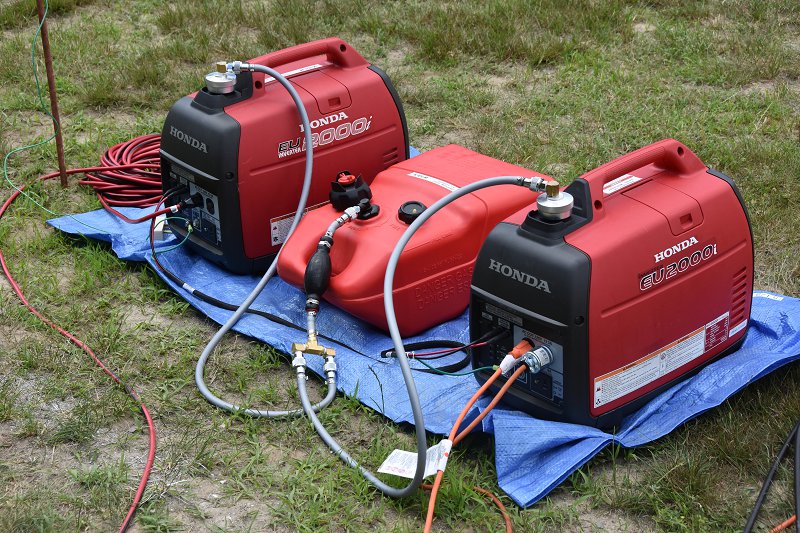
And The Generators Played On…
And the new generators worked flawlessly and were much easier to service.
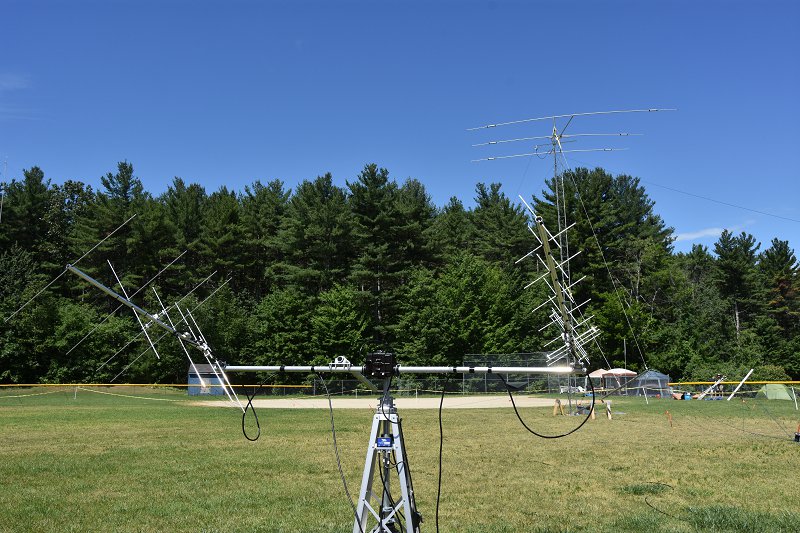
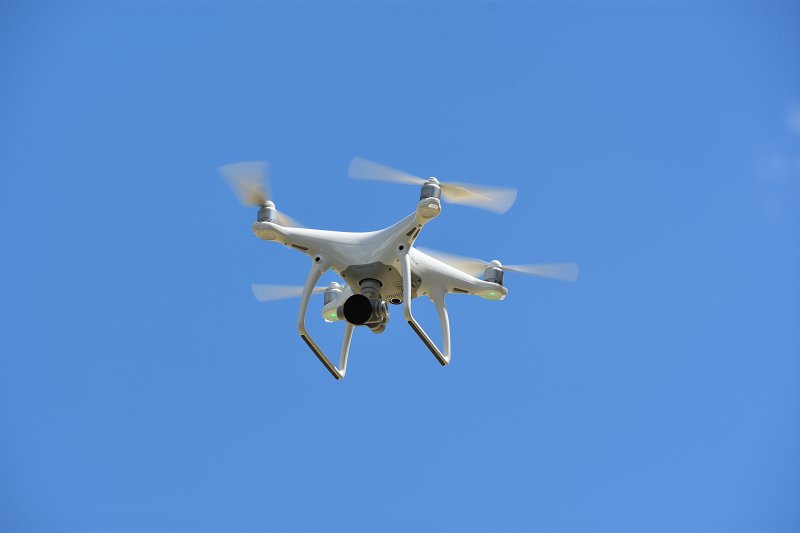
and our visitors got a kick out of seeing the computer controlled satellite antennas.
Team Finchum In Action
Team Finchum was in high gear as always – here’s Abby, AB1BY operating with her brother Connor, KC1GGX. It seemed like Abby was on every SSB station that I looked at all weekend long…
New Digital Station For 2017
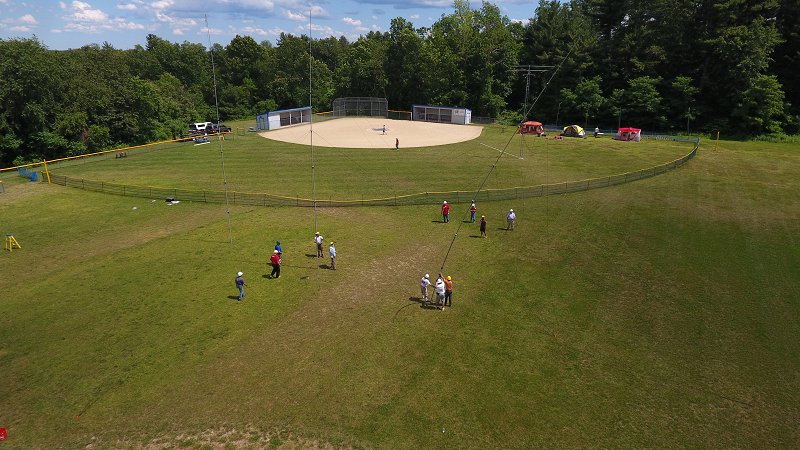
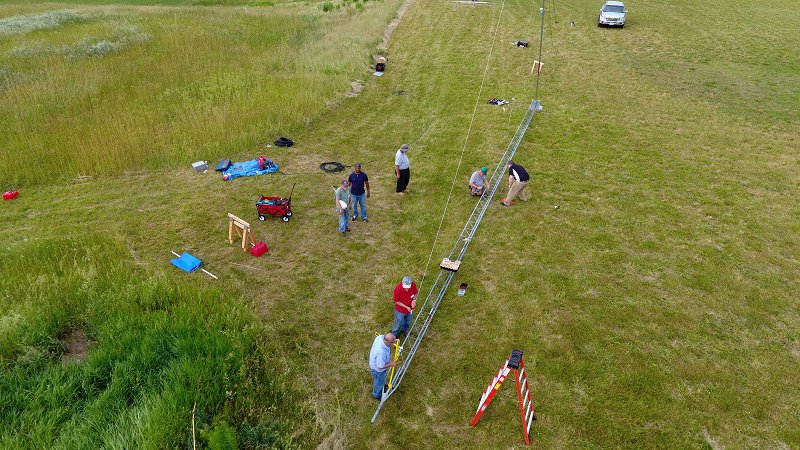
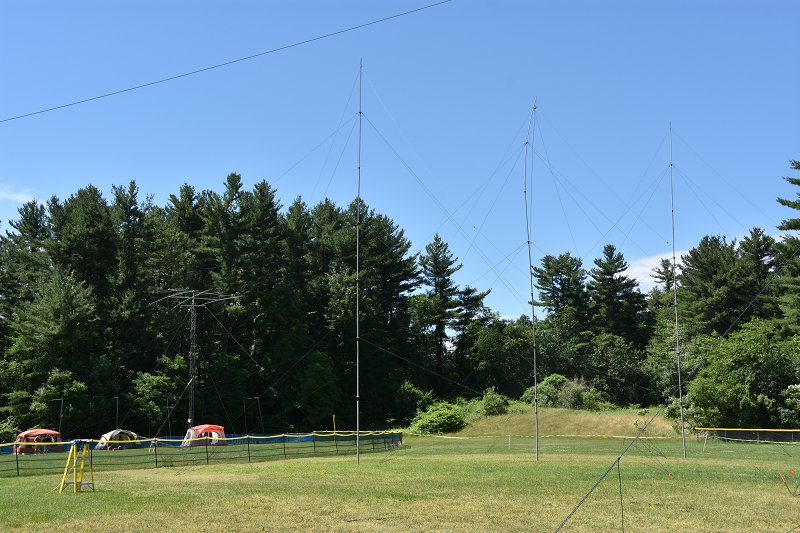
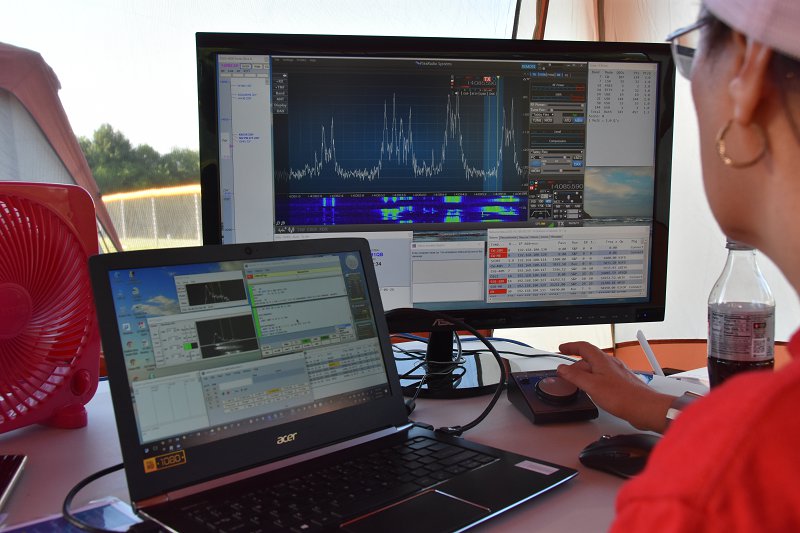
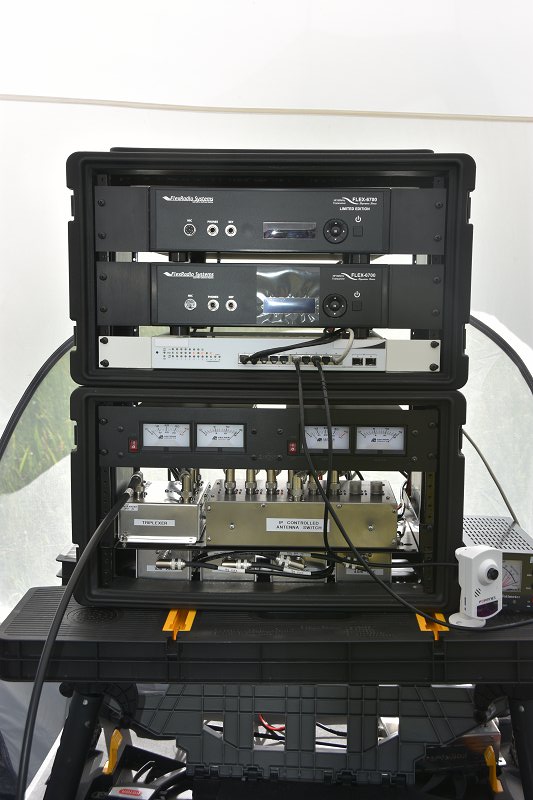
Our new SDR powered Digital Station worked well and we had lots of digital contacts using the antennas on the new 60 ft. tower.
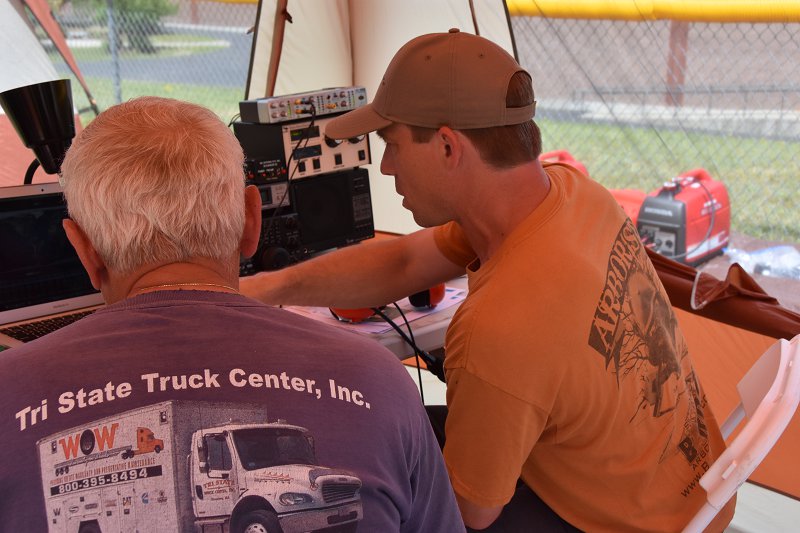
The SDR GOTA Was Cool!
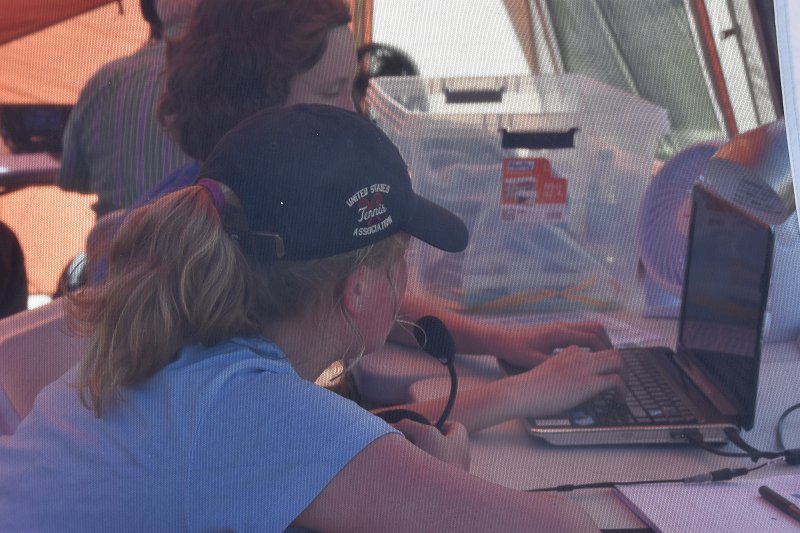
The SDR-based GOTA station worked out super well. Ira, KC1EMJ was our GOTA coach and was busy on Saturday and Sunday introducing our guests and newly licensed members to “high-tech” Amateur Radio. We had many young people try Amateur Radio for the very first time on our GOTA station.
Anita, AB1QB, our scoring chairman is still working on tallying up our score but it will be higher than last year.
Please take a minute and send me any photos or video that you have from Field Day 2017. We’ll be producing a video of all of the fun for the Field Day 2017 Recap at our club meeting on July 11th. Don’t miss it!
We use cookies to ensure that we give you the best experience on our website. If you continue to use this site we will assume that you are happy with it.