The ARRL Kids Day event is coming up on Saturday, January 5th from 1:00 pm – 7:00 pm. Fred, AB1OC and Anita, AB1QB will have their station open for any youth – regardless of license class or license for that matter – that would like to participate.
There is a very simple exchange of name, age, location, and favorite color. It’s a relaxed atmosphere and easy way to get on the air if you have your license and haven’t had much of an opportunity. Even if you don’t have a license you can get on the air with the club call sign and one of our licensed youths as the control operator. So, bring your friends!
This is a very special event to me as it is one of the first times my daughter, Abby, AB1BY made an HF contact. After this event, she was absolutely hooked on amateur radio! We’re hoping this happens to all the youth that participate! Abby will be present to help make contacts. We would like to invite any youth, with or without a license, to come and check out what amateur radio has to offer.
Please respond to Jamey, AC1DC at [email protected] if you would like to participate or if you have any questions.
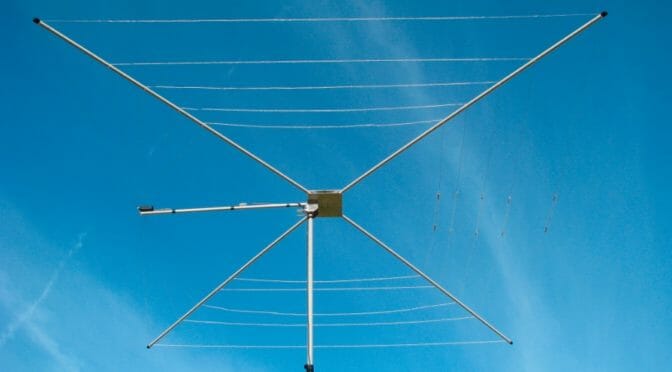
MFJ has created a set of 1/2-wave dipole antennas folded into a square (sort of a cobweb antenna). There are two units that cover 10m-20m. They are the MFJ-1836 ($229.95) that handles power up to 300 W, and the MFJ-1836H ($259.95) that handles up to 1.5 kW. These antennas are roughly 12-feet as measured diagonally across the square they make. (That is, about 9-foot by 9-foot.)
I purchased the high-power version and raised it up 25 feet in my backyard last year. I found its performance to be comparable to the vertical dipole antennas I have erected permanently.
My Original Intent
I originally purchased the antenna to see if it could be adapted to travel. I’d like to go on another lightweight DXpedition someday and I’m always looking for low-cost/low-weight solutions. This antenna weighs under 9 pounds (with the low-power model weighing slightly less than its big brother). Just for reference, the Buddipole Tripod and Mast weigh almost seven pounds and that’s before we add an antenna!
Assembly
Assembly of the antenna is straight-forward. I mounted it on a pipe and stuck it into a deck table’s umbrella hole. That allowed me to put the work at eye level and spin the antenna while I assembled it. That made assembly easy. I’m guessing I spent an hour reading the instructions and routing the wires.
The Wires
This is the only disappointment with the unit: the wires. MFJ used a lightweight stranded wire that is quite fragile with frayed ends. I’ve snapped the outer-most wire (for 20m) twice. If I were to attempt to adapt this antenna for travel it would have to be rewired with something more robust. My first choice would be Wireman model 534 “Invisible Touchcoat ‘Silky’ 26 AWG, 19-strand 40% copper-clad steel” wire. This stuff is tough with a break strength of 25 pounds. If I were to rewire this unit, or more likely purchase another antenna, I would discard the MFJ wires and use this stuff.
Tuning the Antenna
Tuning was straightforward when I used the antenna outside mounted up 25-feet. I just followed the MJF instructions and got a good match on all bands.
Tuning the antenna indoors mounted in my attic was another story.
MFJ-1836H mounted in NE1RD’s attic
This antenna, like nearly all antennas, works best when in the clear. That is, they work best when there is nothing in their near-field (say within 1/2 a wavelength). MFJ recommends the antenna be mounted at least 20-feet off the ground. Mounting this thing in my attic meant my furnace and roof are all within the antenna’s near field.
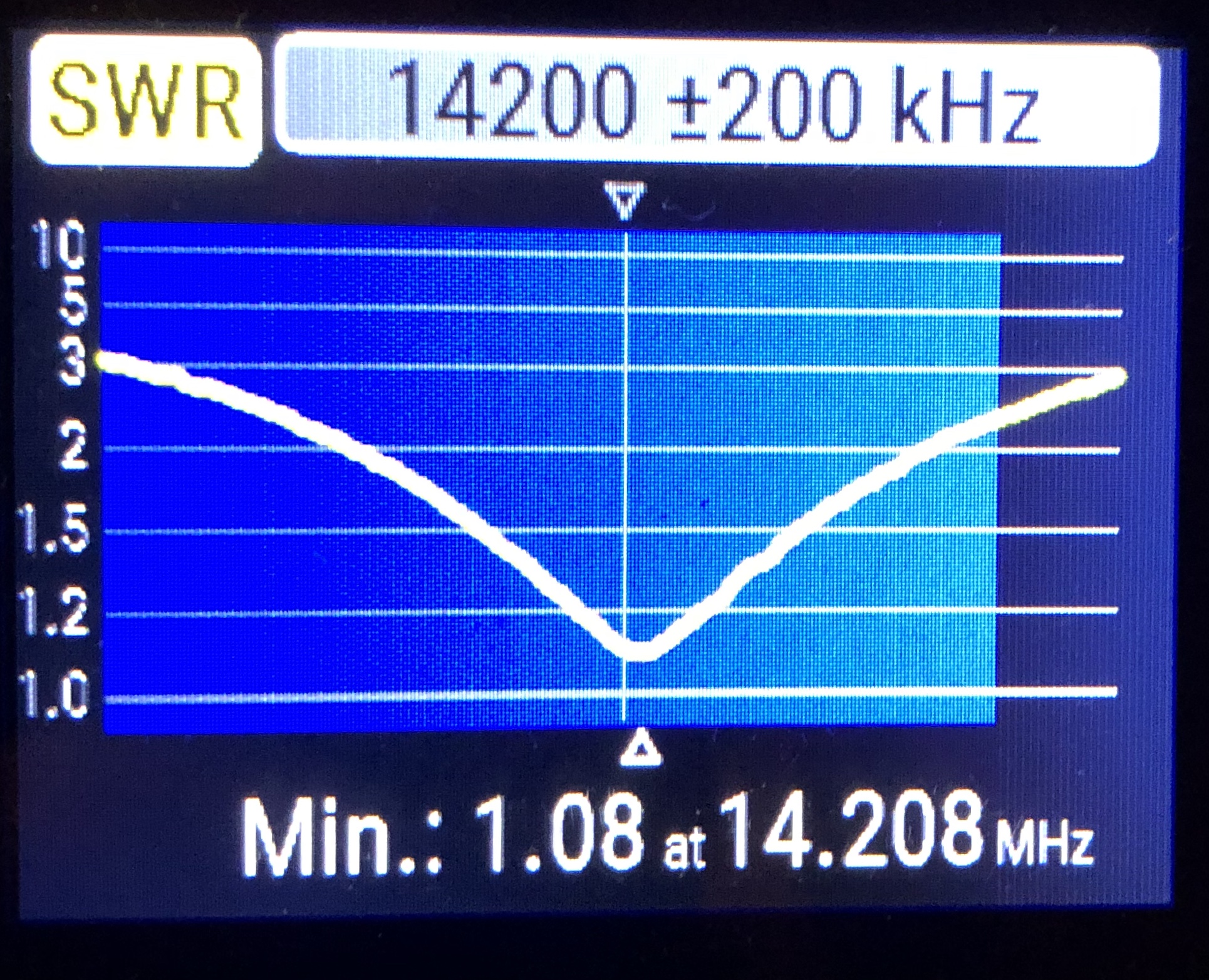
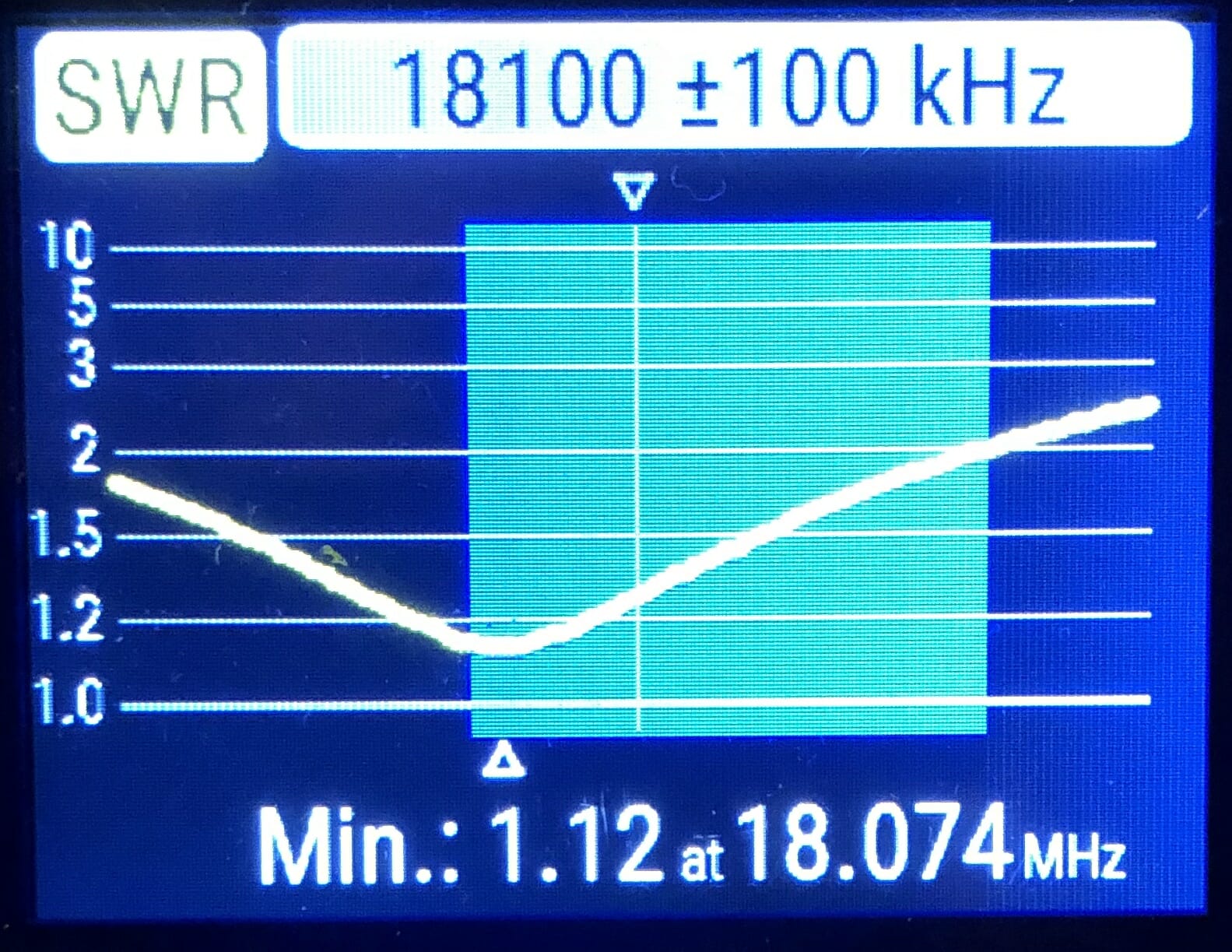
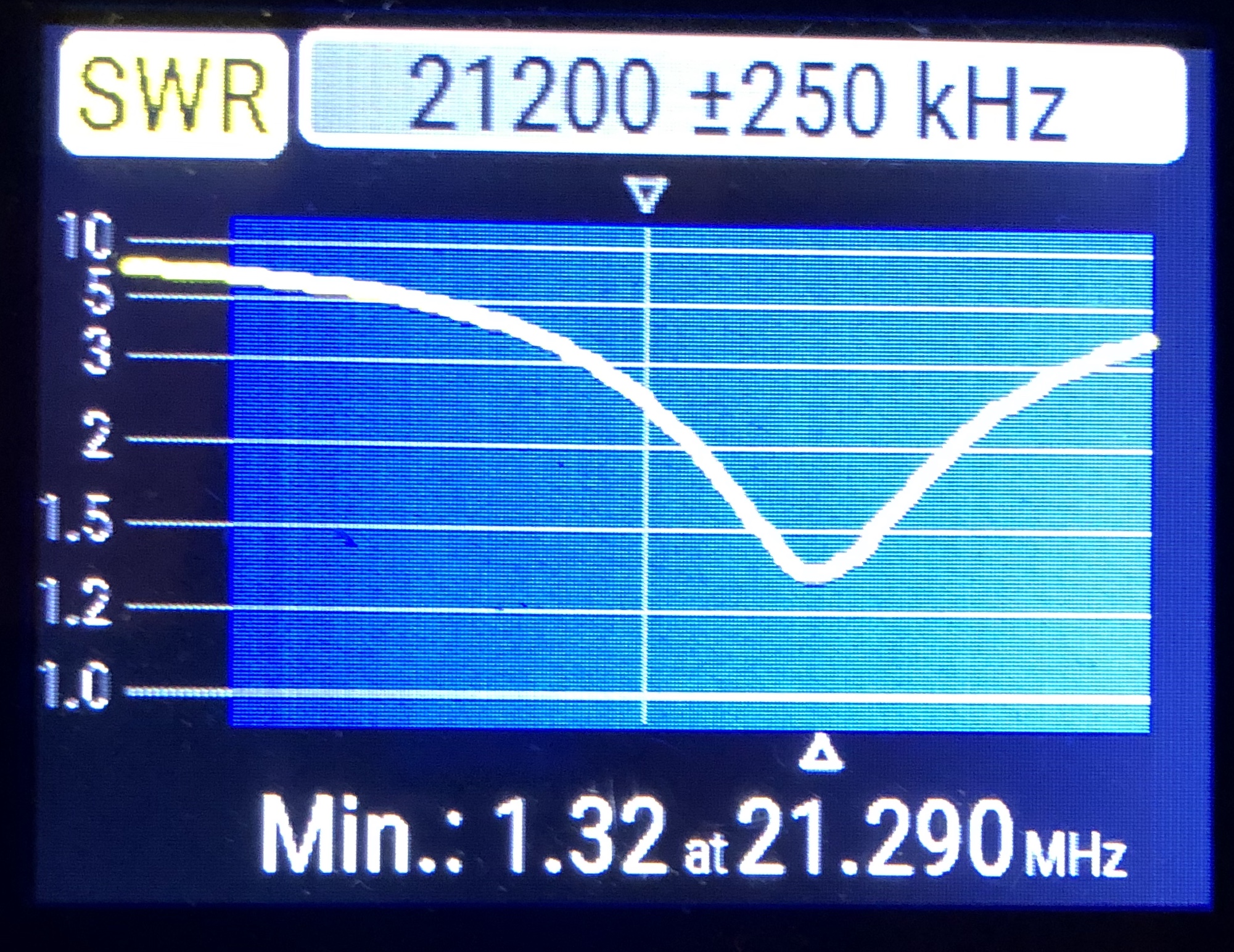
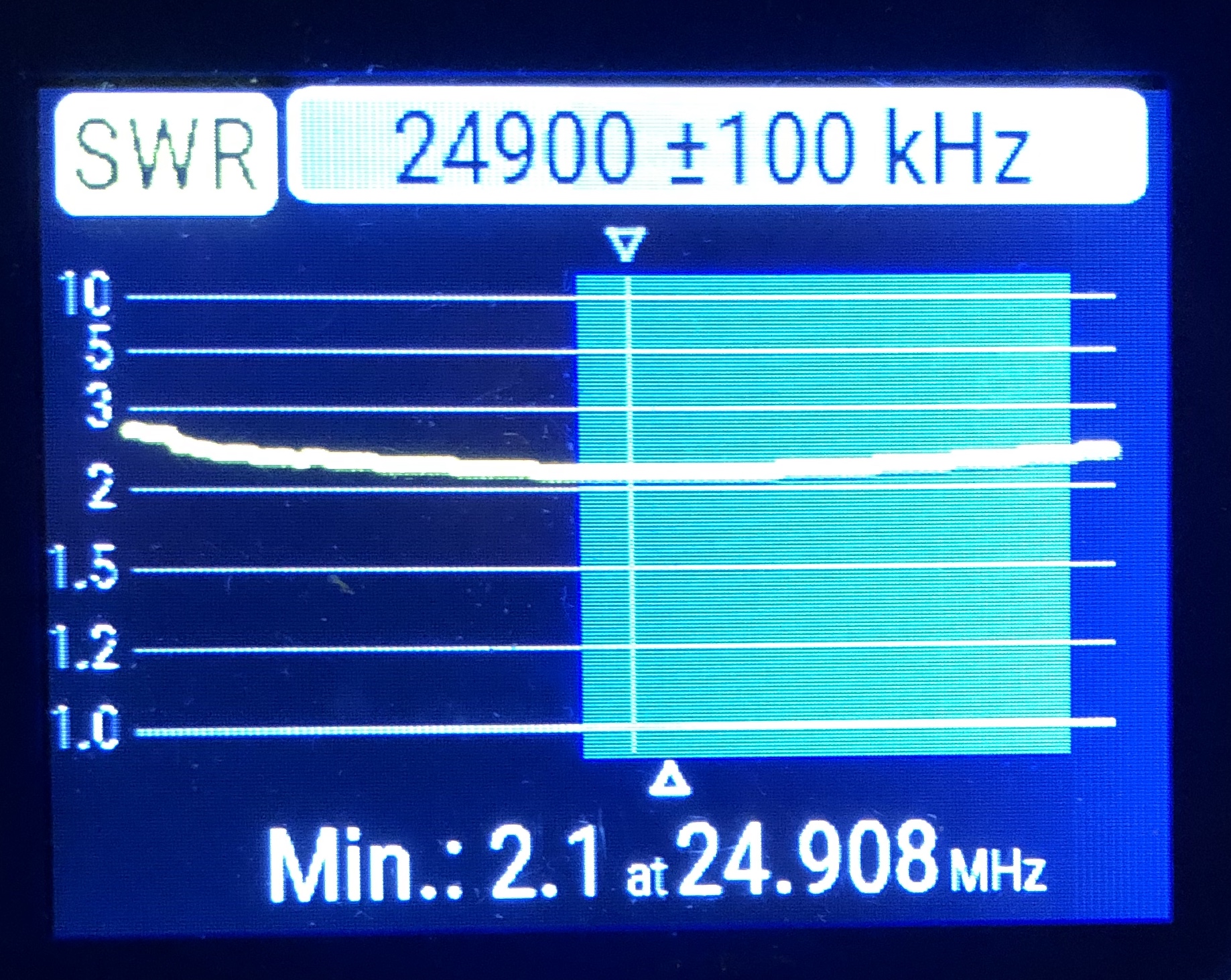
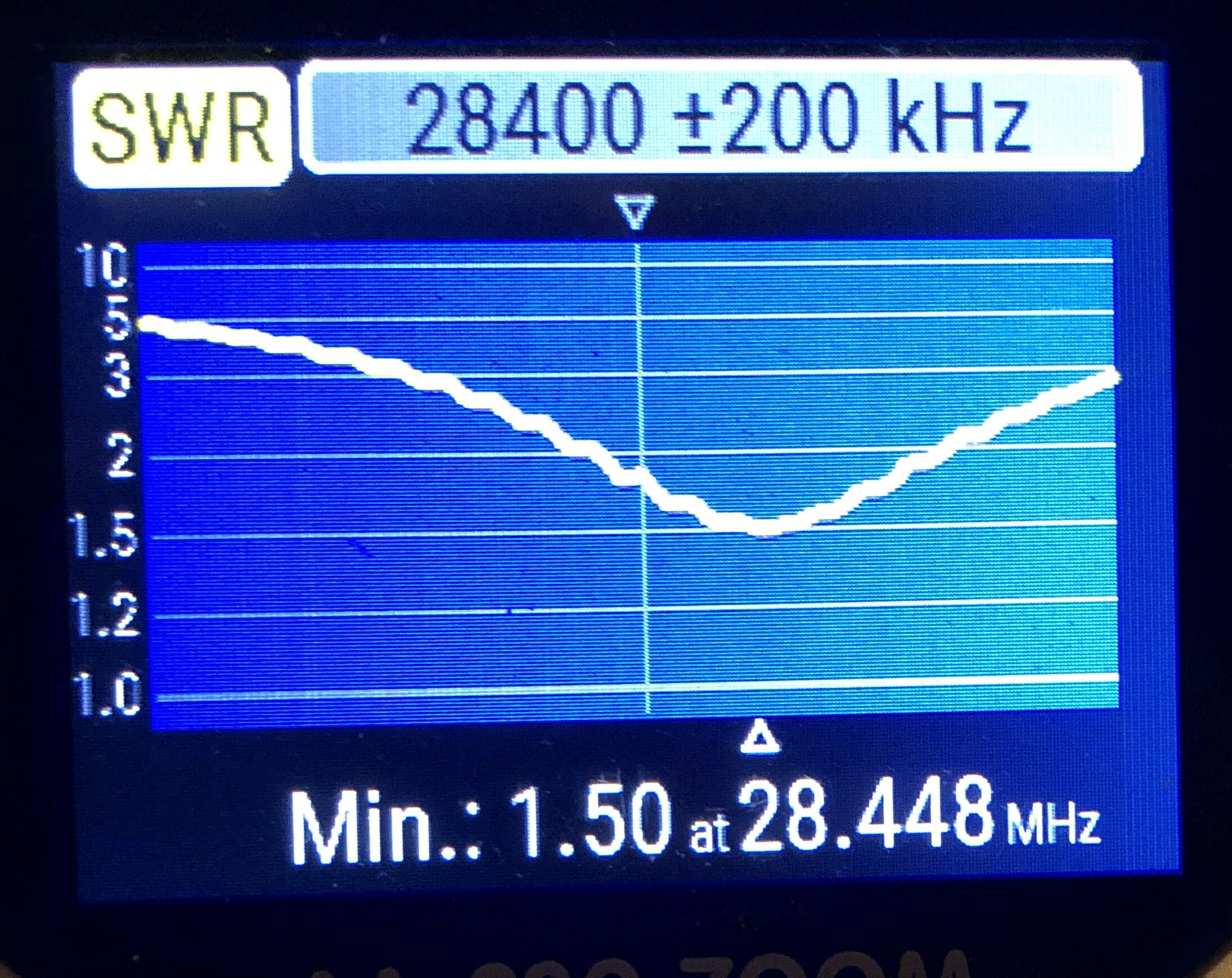
The upshot of this is I had to spend a little extra time adjusting lengths of the antenna wires to make it provide a good match on these five bands. My trusty RigExpert analyzer made the work go quickly. Here are the plots for the installed antenna.
20m SWR17m SWR15m SWR12m SWR10m SWR
I confess that I could probably do better on all bands except 20m if I were to spend more time adjusting the wires. But this is good enough for now.
HOA and Other Limitations
I spent my first few years in a restrictive environment where it was difficult for me to use outdoor antennas. If you have a large attic and find yourself in a similar situation then this antenna is worth a look. Temper your expectations, though. Remember that in general antennas are better outside than inside, and mounted higher rather than lower (although antennas can be hung too high!). Your antenna’s performance will be some combination of how well you have tuned it, and what kinds of objects are in the antenna’s near-field. Still, any antenna is better than no antenna!
The Big Brother: MFJ-1838
MFJ has a larger offering that covers the 30m and 40m bands. This antenna measures about 20-feet diagonally so you’d need a large attic to hold it. The MFJ-1838 is $399.95.
Wrapping Up
My home office is directly below the MFJ-1836H antenna and I have a small station there usually running an Elecraft KX3 (though some other QRP rigs are often called to duty there). With this antenna, I can now operate on any of five bands without needing to touch an antenna switch (all of which are two floors below my office in the basement!). It should make casual operating in the winter much more enjoyable.
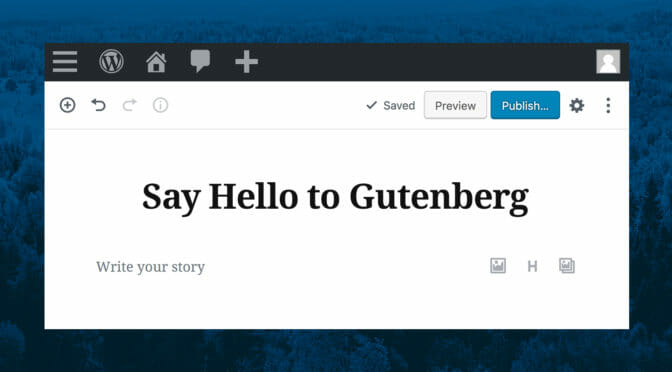
WordPress 5.0 has recently been released and it is now in use on n1fd.org. WordPress 5.0 brings a new content creation editor to WordPress. You may have seen the new editor referred to as Gutenberg on the Internet. Here’s a link to an overview of the new editor.
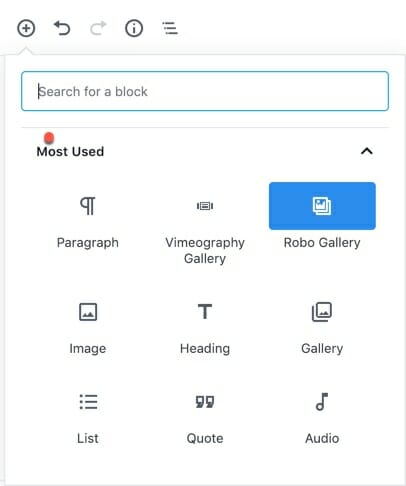
The new editor makes all of the rich formatting of text and graphics that modern websites can provide much easier to use when creating content. It does this via a concept called Blocks. The new editor creates posts using a series of Blocks.
Gutenberg Blocks
Blocks are uniquely formatted components of posts such as articles on our Blog. Black can be formatted as text, headings, images, lists, and multimedia elements. You create the content for a post using a series of Blocks. This article uses Paragraph Blocks for text and Image Blocks for pictures.
Gutenberg Document Sidebar
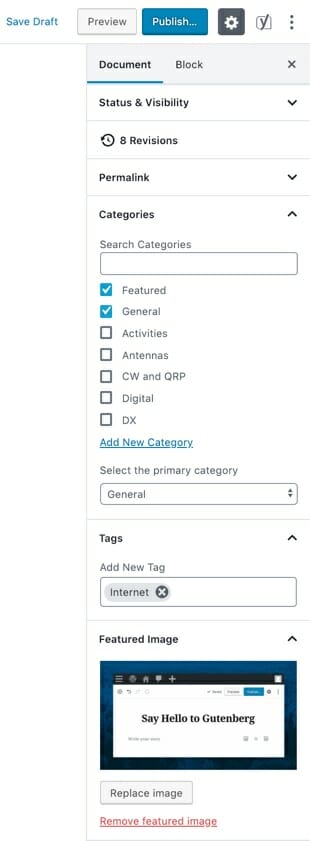
Most all of the functionality of the old editor is available in Gutenberg. For example, sidebar tabs for both Block options and the familiar Document options are available in tabs on the right sidebar in Gutenberg.
It is easy to get started with the new editor. Here’s a link to an article on how to begin.
Selecting The Gutenberg Editor
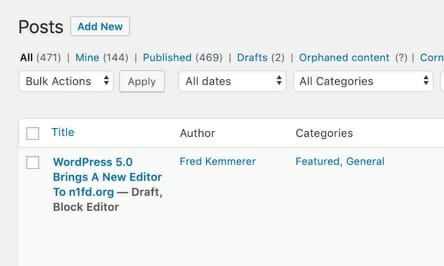
For now, n1fd.org will continue to use the Classic Editor as the default for new posts. You can try out Gutenberg by clicking on the Block Editor choice for your post. This option can be found in the Posts section of the backend of n1fd.org. We will probably change over to the new editor as the default for new posts sometime during the next few weeks. In the interim, I hope you’ll give the new editor a try.
We use cookies to ensure that we give you the best experience on our website. If you continue to use this site we will assume that you are happy with it.