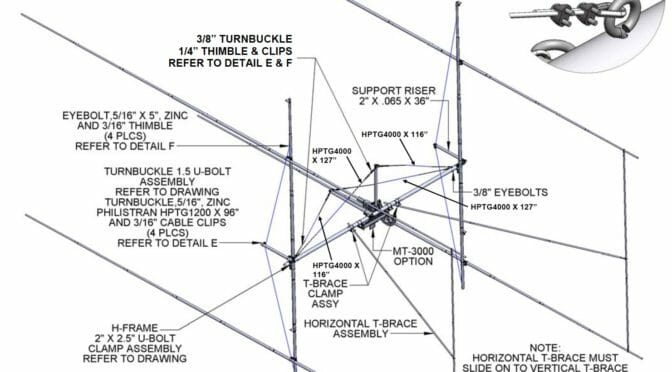
The final major component in our 2m EME Station Upgrade to be assembled is the 2MXP28-32-2X2-3K H-Frame which will support our four 2MXP28 Antennas. The H-Frame is one of the most mechanically complex components in our EME antenna system…
We are almost ready to put our new 2m EME Antenna System. We’ve been working to pre-assemble and test all of the components in the new Antenna Array. The last major component to be prepared in the H-Frame assembly which is used to mount our four new antennas on our Tower. The H-frame component is one of the most mechanically complex parts of our Antenna System. The link above shares all the details of this part of our project.
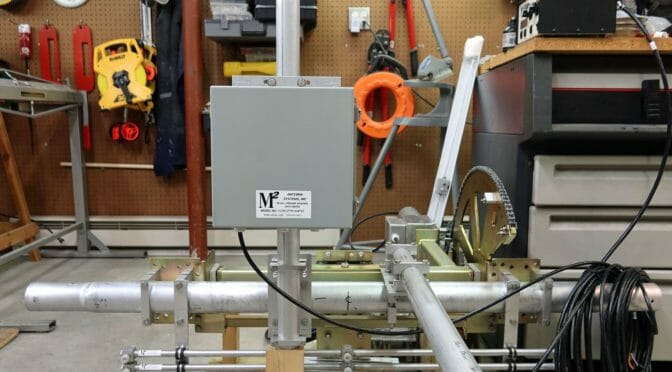
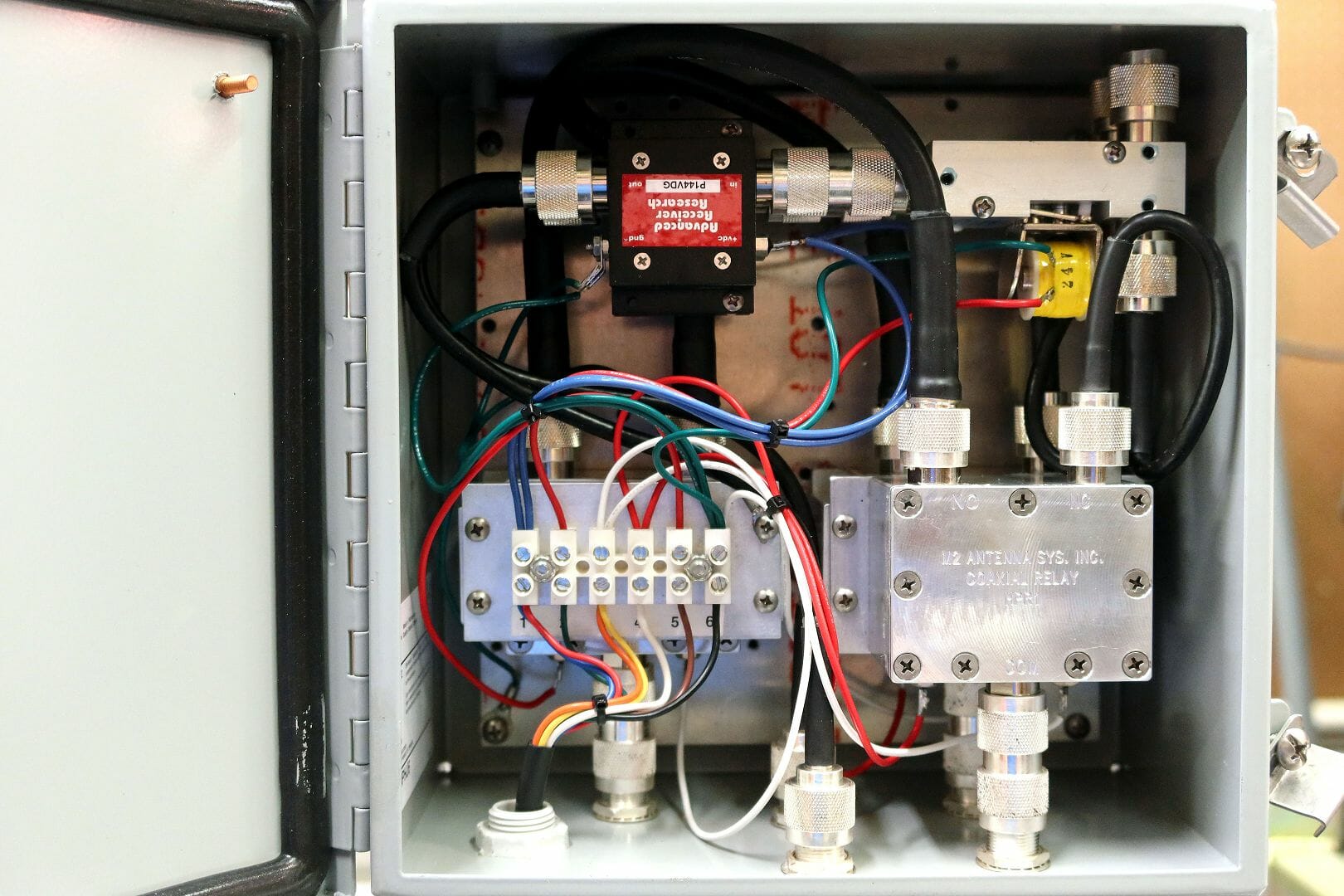
The next major component in our new EME station is the assembly of the Elevation Rotator. This step also involves pre-assembly and testing of the MAP65 Pre-amp Housing, Antenna Power Dividers, Tran…
We are continuing to make progress on our 2m EME Station build. The latest step in the project was to assemble and test the Elevation Rotator and the MAP65 Preamp System. The article at the link above explains what we did to complete this step in our project and to test what is a major sub-system in our 2m EME Station.
MAP65 Preamp Housing
This part of the project includes installation and testing of the MAP65 EME Preamp Housing on the rotator assembly. This unit and the rotator are tested along with a Green Heron Engineering RT-21 Rotator Controller and a MAP65 EME Sequencer.
We are getting close to installing our new 2m EME Array on the tower. The final preparation step in our project will be the final assembly and preparation of a large H-frame that will mount the four antennas in our EME Antenna Array.
I enjoyed watching the recent Tech Night Zoom-cast on the topic of “VHF Plus”. I picked up on a lot of things I had not known a lot about, with topics on satellite and understanding propagation shifts for long-distance DXing.
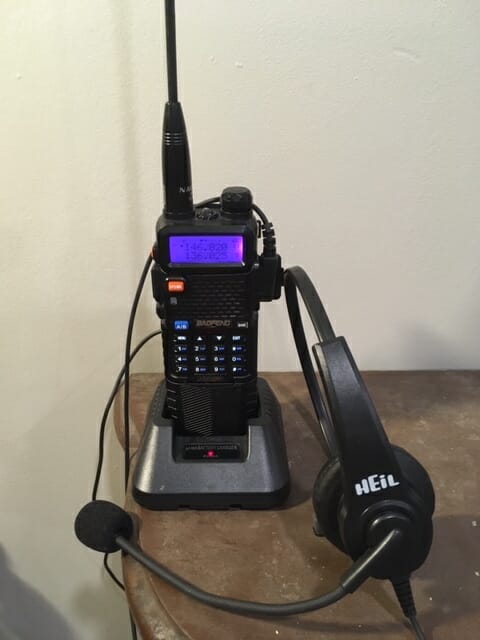
I often refer to 2 meters – and the similar frequency ranges – as the “gateway bands”. This is where most new hams start. They get their Technician License, buy a cheap Chinese HT, and start using the local repeaters or trying ‘simplex’ with some success.
My First HT – 8 Watt Used For Public Service.
However, after time goes by, a lot of hams get their General or Extra ticket and start using only the HF bands – unfortunately, not realizing all that 6 meters and above has to offer.
Things To Do With Just a Tech License
Even though I got my General and Extra License and started to use HF, I still stay connected to my HT and tune into 146 and 440 all the time. I have an HT in my car, always scanning the Hollis, Derry, and the Westford Repeaters. I’ve committed myself to make a couple of calls each day, just to keep the repeaters active and doing my part to keep VHF alive.
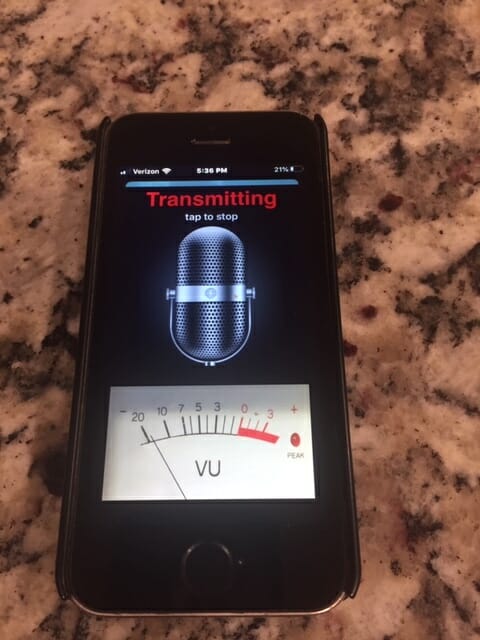
I also like to use the EchoLink app on my iPhone to make contacts on repeaters from England to California. One Saturday, I spent an hour talking to someone in San Jose, the place I went to high school. Another Saturday, I talked to another ham in Leicester, England – a town I once visited. You never know who is out there on the other end on Echo Link.
EchoLink App Running on iPhone
Public Service
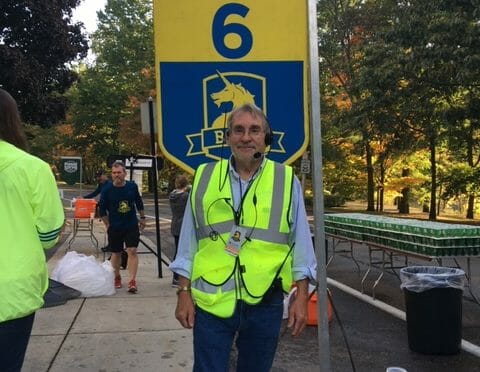
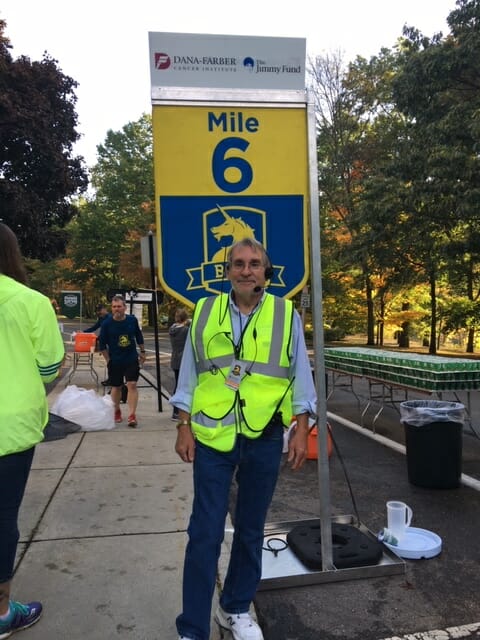
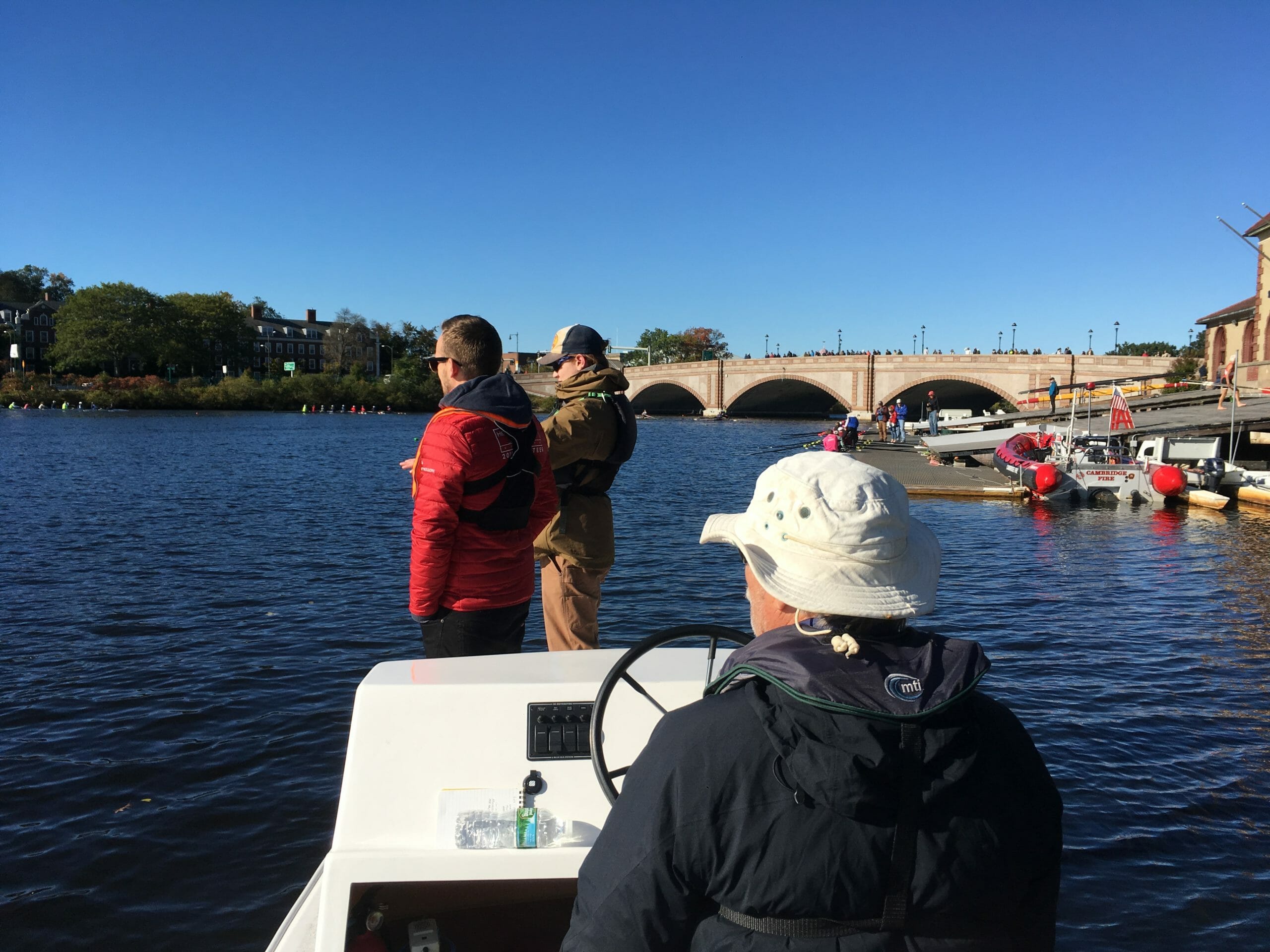
As some of you know, I really enjoy doing public service work with my HT. Last year, before all of the COVID-19 problems, I had a chance to work two Boston Marathon events and the Head of the Charles Regatta. During the regatta, I was stationed on a rescue boat, always staying connected to Net Control during our rescue missions. All very worthwhile and showing how important ham operators are to these events
Me at the Boston Half Marathon
Meeting Other Hams on 2 Meters
And recently, I got a real kick out of talking to local hams up in York County, Maine while on vacation. I was working 20 meters up there when I heard a local sounding voice coming on the air, suggesting that I tune to 2 meters and join their local net. What I found was a group of guys who get together each night on VHF simplex just to stay in touch with each other. I was also impressed by their enthusiasm for the FM bands, stretching them to the limits. One ham is always working simplex up and down the New England coast on an old-modified public service transceiver, putting out over 100 watts. Another fellow had connected his 2m – 70cm base station to things like EchoLink, WinLink, and other digital modes.
So, after watching Fred’s Zoom-cast on VHF Plus, along with my recent experience in Maine – and more – I feel even more like keeping my HT handy, trying different things with experimenting on VHF and UHF.
Instead of just spending hours and hours on one HF pile-up after another, I think it is good to keep the VHF and UHF alive and I am finding new things to do here.
With my Rescue Boat Crew on the Charles, handling traffic between us and Net Control on VHF
We use cookies to ensure that we give you the best experience on our website. If you continue to use this site we will assume that you are happy with it.