Tag Archives: Space

Adding L-Band (24 cm) to Our Satellite SDR System

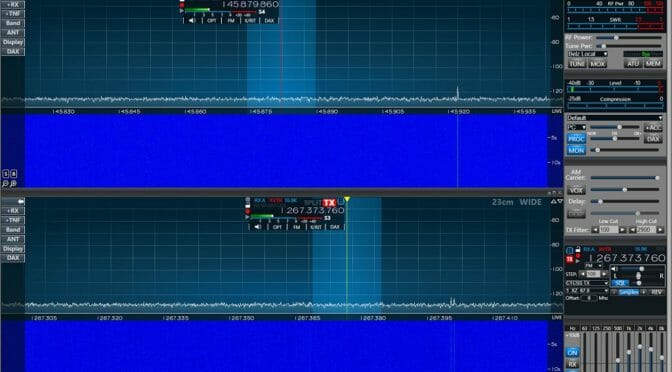
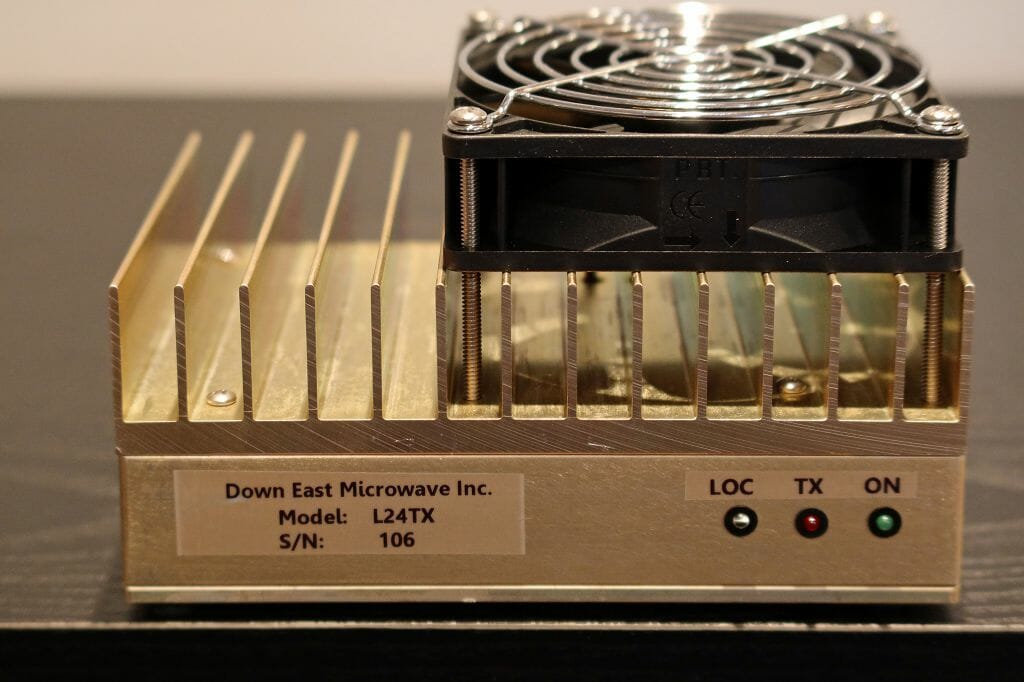
We’ve recently received our L24TX Transmit Converter from Down East Microwave. The unit is compact, simple, and produces up to 25W output in the satellite section of the 23 cm band (1260 MHz – 1270 MHz, actually 24 cm). The L24TX is a transmit-only device that is intended to enable L-band uplinks for Satellite use. This article is about our most recent project which involved integrating the L24TX into our Flex Satellite SDR System to enable L-Band Satellite operation  …

Source: Satellite Station 4.0 Part 10 – Adding 23 cm To Our Satellite SDR

We are making progress on our project to enable remote Satellite operation via the Internet. The latest step is the addition of L-band (24 cm) uplink support to our Flex Satellite SDR System.

L-Band Satellite SDR
L-Band 24 cm Transmit Converter

We’ve also made some good progress on custom software to link MacDoppler and our Flex Radio Satellite System via the Internet.

The article in the link above shares information about how to go about adding Transverters and Band Transmit Converters to a Flex SDR. the step needed to configure the Flex SmartSDR software, as well as links, cover other aspects for our Satellite System 4.0 Project are included.

You can read the latest updates about this project via the link above.

Fred, AB1OC

AMSAT 50th Aniversary Celebration – W3ZM/1 Activations in CT and RI

Burns, WB1FJ approached me a few weeks ago doing some portable satellite activations as part of the AMSAT 50th Aniversary Celebration. The idea was to use the AMSAT Callsign WZ3M/1 to put the states of CT and RI on satellites.

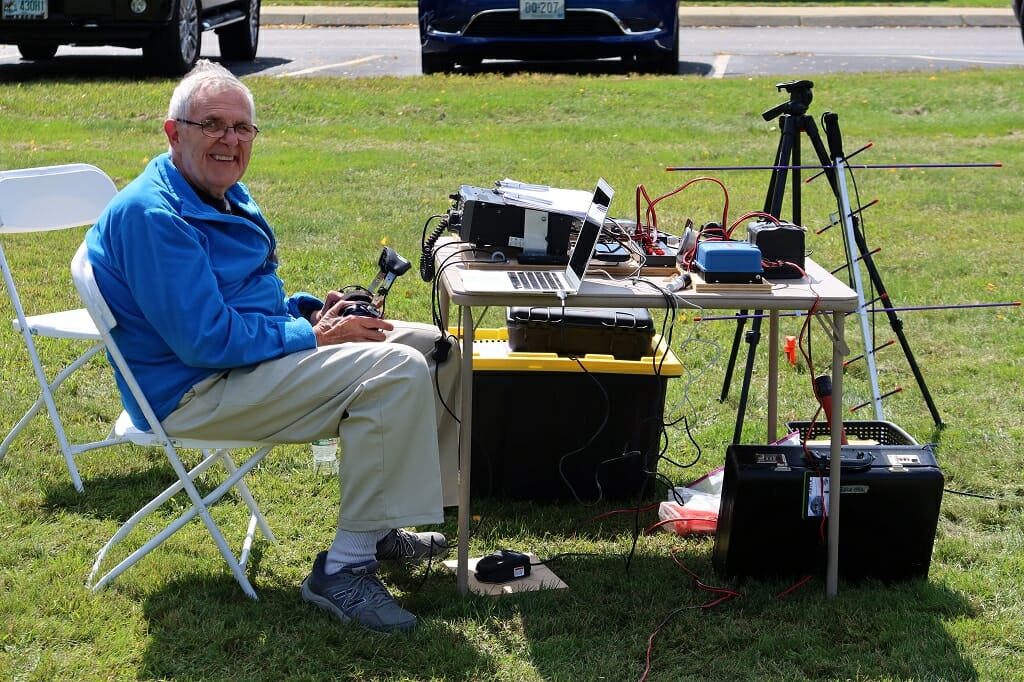
Simple Portable Satellite Station
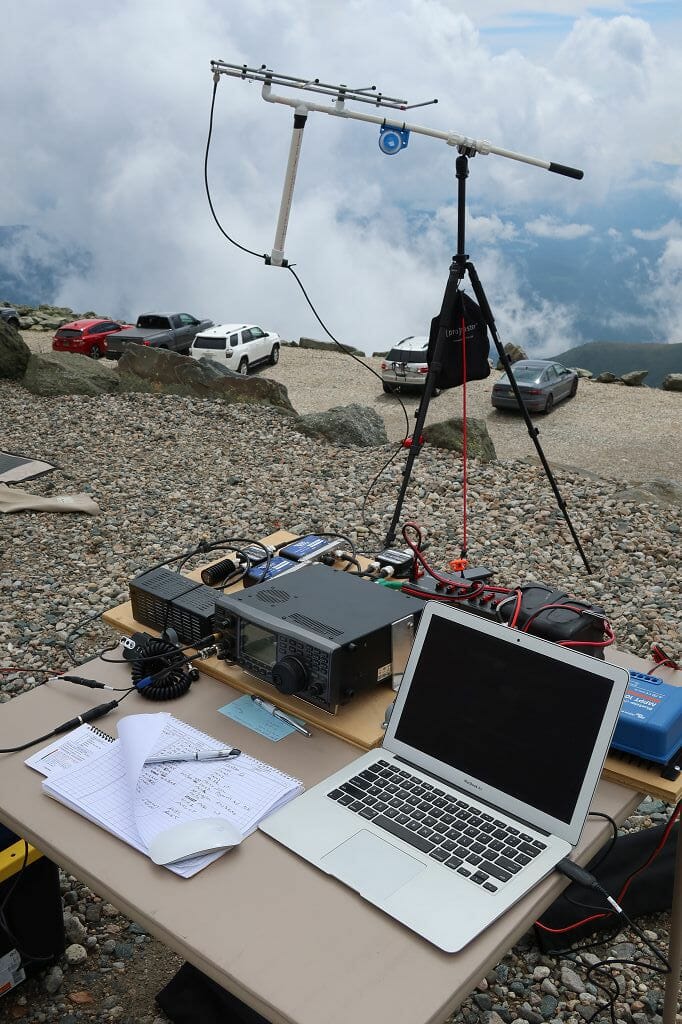
Portable Satellite Station on Mt. Washington

We had recently tested our portable satellite station during the Nashua Area Radio Society’s activation of Mt Washington. The WZ3M/1 activations were a great opportunity to continue testing our portable satellite station by making some more linear and FM contacts.

Radio Management via MacDoppler
MacDoppler Satellite Tracking Software

Preparations for our activations included creating a Pass Summary of predictions for the day of our activation using prediction data from MacDoopler. You can take a look at our pass summary here.

W3ZM/1 Activation
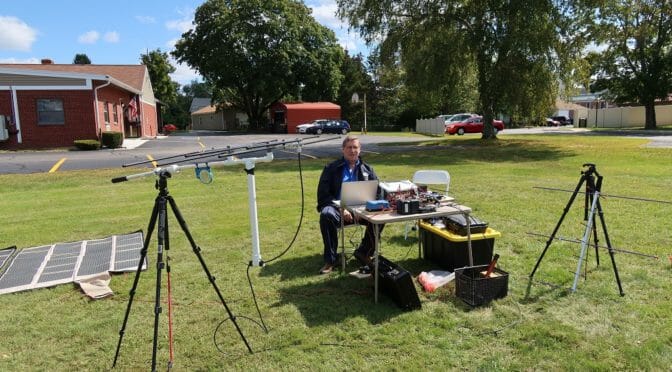
W3ZM/1 Activation in RI

Our first activation was near the fire station in Burrillville, RI. We found an open spot and set up our station, antenna, and solar power system. This was a great public spot and we had several visitors come by to take a look at our setup and ask questions about satellites and Amateur Radio.

We made quite a few contacts at this location using both FM satellites like AO-92, AO-92, and SO-50 as well as a few contacts using linear satellites like CAS-4A and CAS-4B.

W3ZM/1 Activation
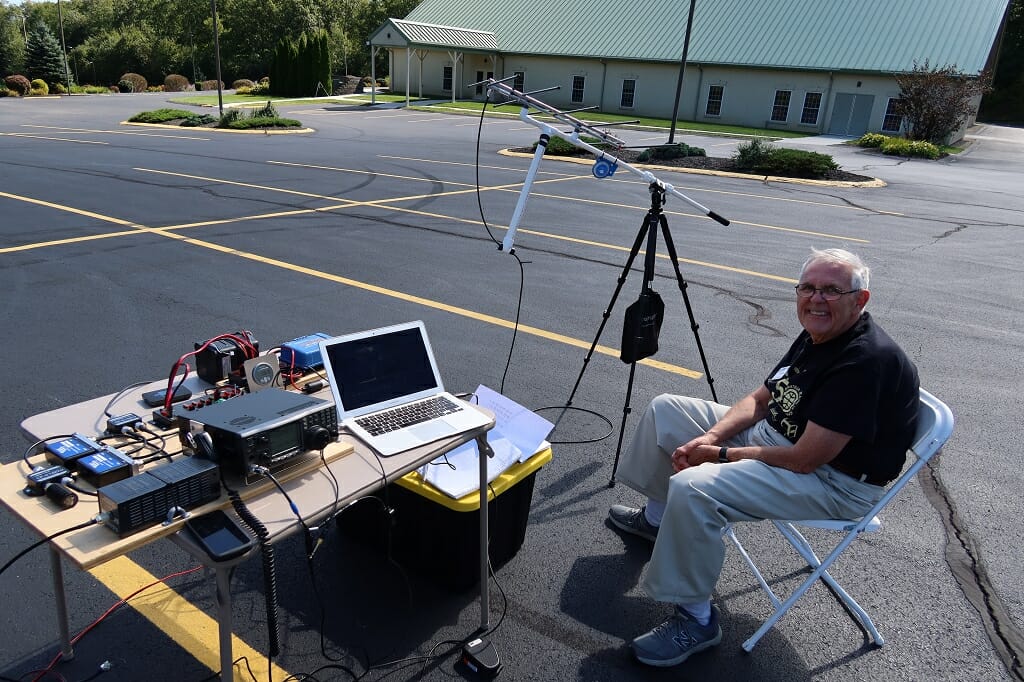
W3ZM/1 Activation in CT

We moved to a Church in CT for the next part of our activation early in the afternoon. This site was a little less open than the first one but we were still able to make a number of contacts here.

The photo above shows a view of our portable setup which consisted of an Icom 910H transceiver, a MacBook Air Laptop running MacDoppler, and an Elk Log-periodic antenna on a tripod. The computer and MacDoppler controlled the radio VFOs to automatically correct for Doppler shift which enabled us to do contacts using linear satellites. We used an iPhone running a satellite tracking app to help point the antenna during satellite passes.

We used a pair of 90W portable solar panels, a pair of LIPO batteries, and an MPPT charging system to provide power for our radio and the computer. It was a sunny day and our solar power system kept our batteries fully charged through both activations.

We did pretty well overall making a total of 15 contacts between. The downlink side of our antenna system was the weakest link in the setup. Folks that we worked on linear satellites indicated that our uplink signals were solid but we had some trouble hearing weaker stations on the downlinks. We have some ideas for an improved antenna system for our next portable activation – stay tuned for more on this.

All in all, Burns and I were pretty pleased with these activations. We had a lot of fun, helped a few folks some new states, contributed to AMSAT’s 50th Celebration, and we learned some things that we can use to improve our portable station.

Fred, AB1OC

ARRL Teachers Institute 2: A Week Devoted to Remote Sensing and Satellite Communication

For the second year in a row, I was blessed with the opportunity to attend the American Radio Relay League Teacher Institute in Newington, Connecticut.   This summer I attended TI – 2 from July 8 – 12th.  Thanks to the generous donations of ARRL members, I was afforded the chance to further explore ways in which I can bring Amateur Radio into the classroom.
ARRL Teachers Institute

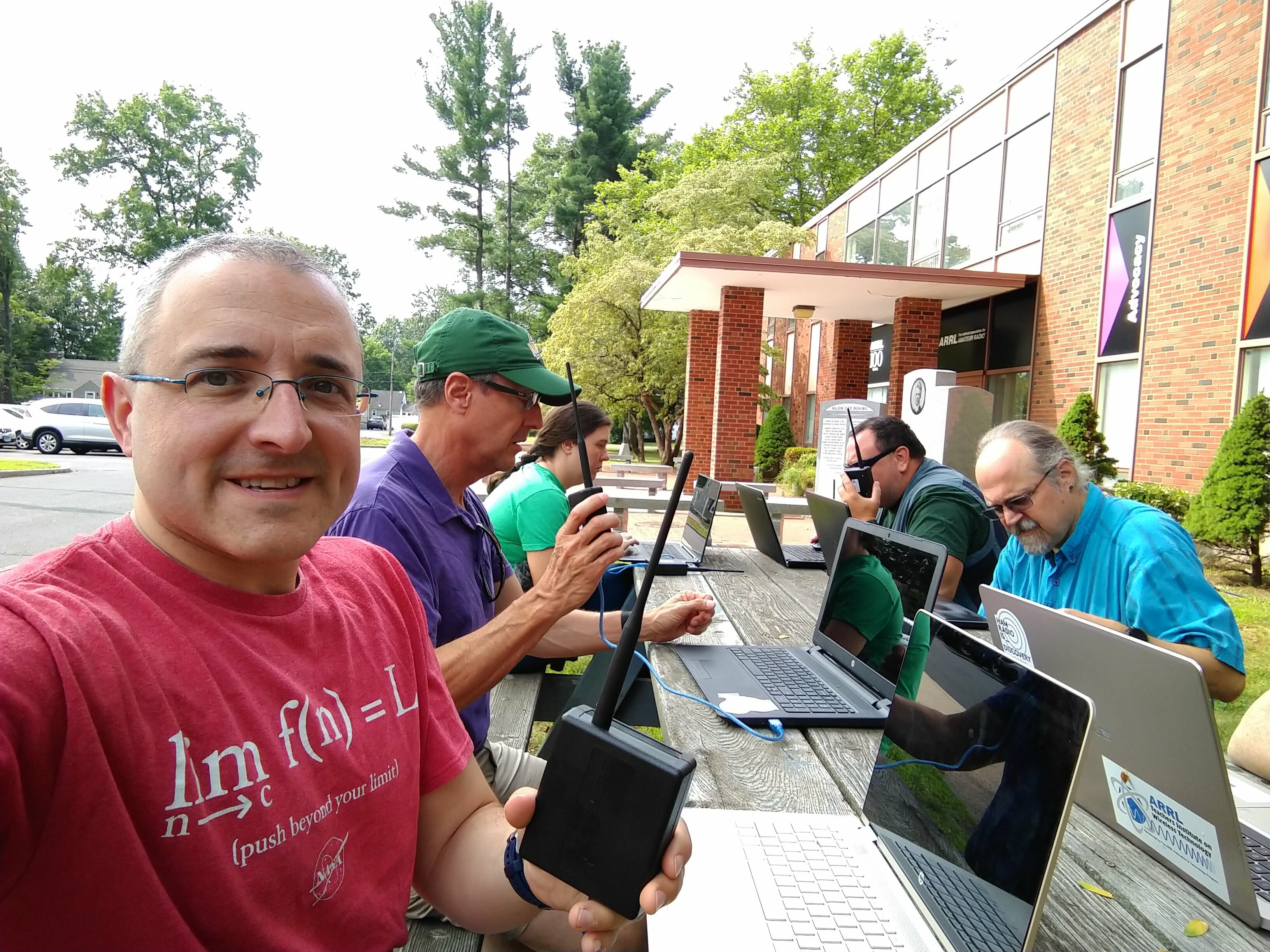
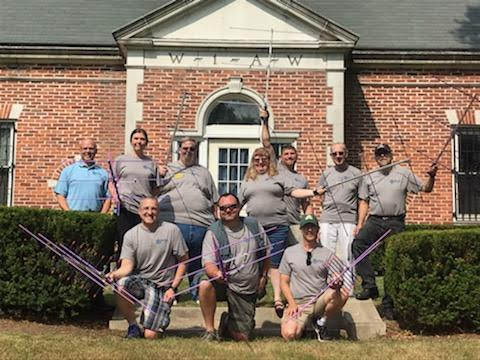
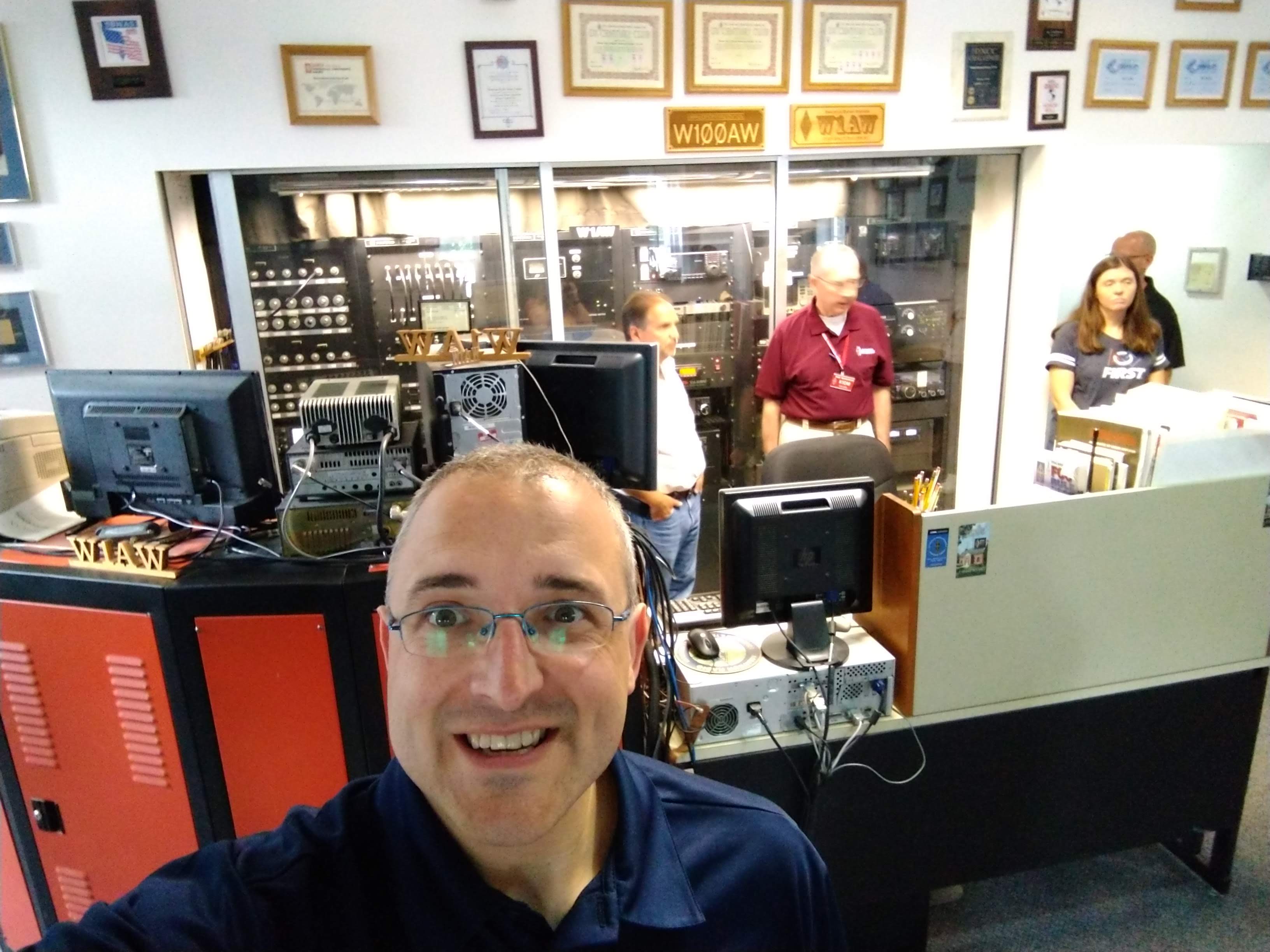
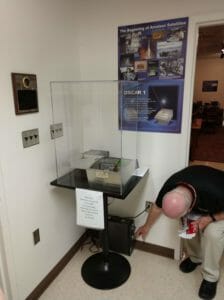
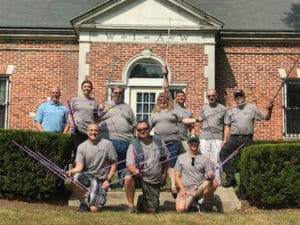
The second year of Teacher Institute helped me delve further into Remote Sensing and using radio to bring Space into the classroom.  Throughout the week, seven other participants and I were offered the chance to operate W1AW, take tours of the ARRL Headquarters, and learn new ways for us to bring HAM radio alive for students.
ARRL Teachers Institute

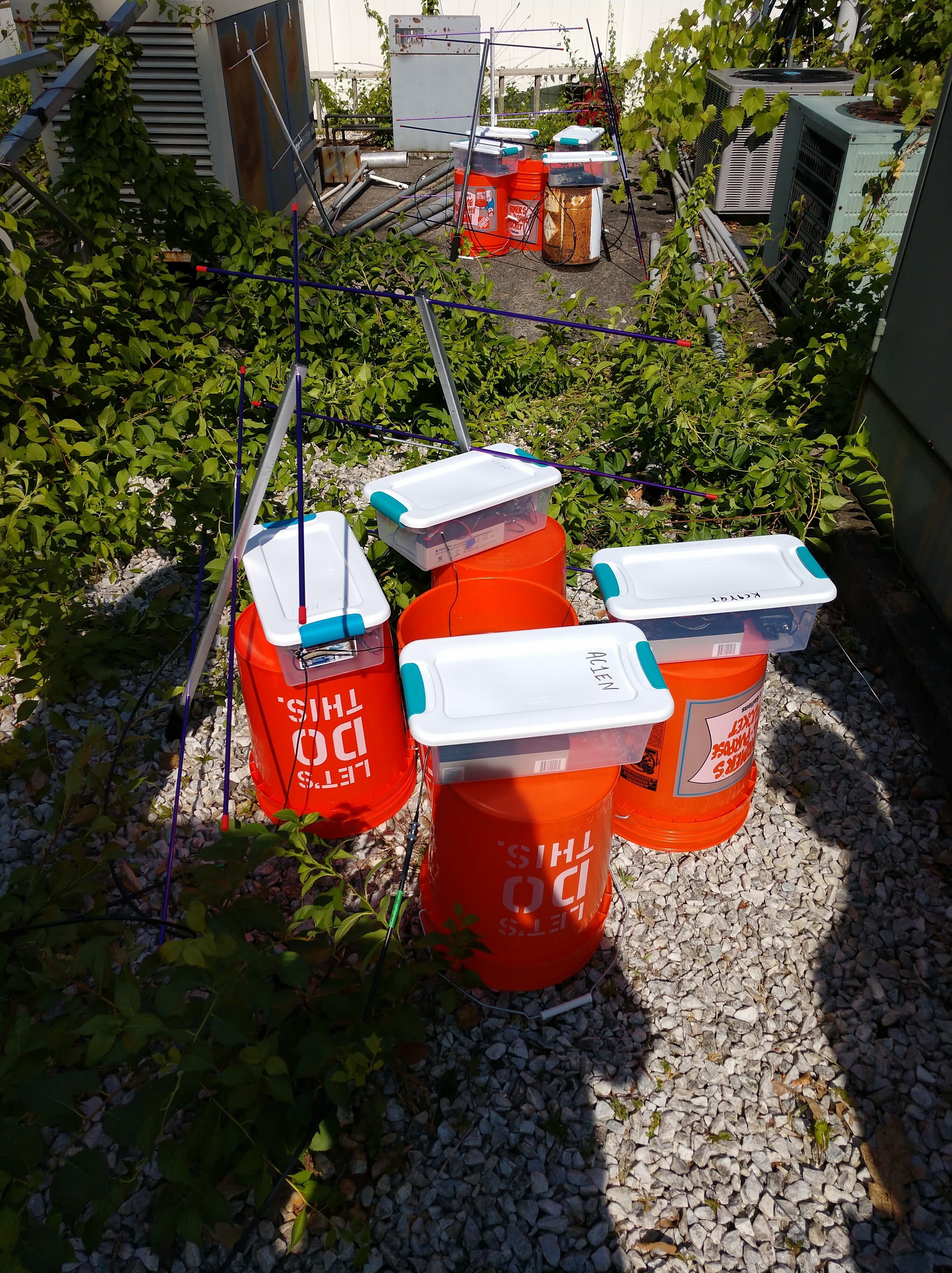
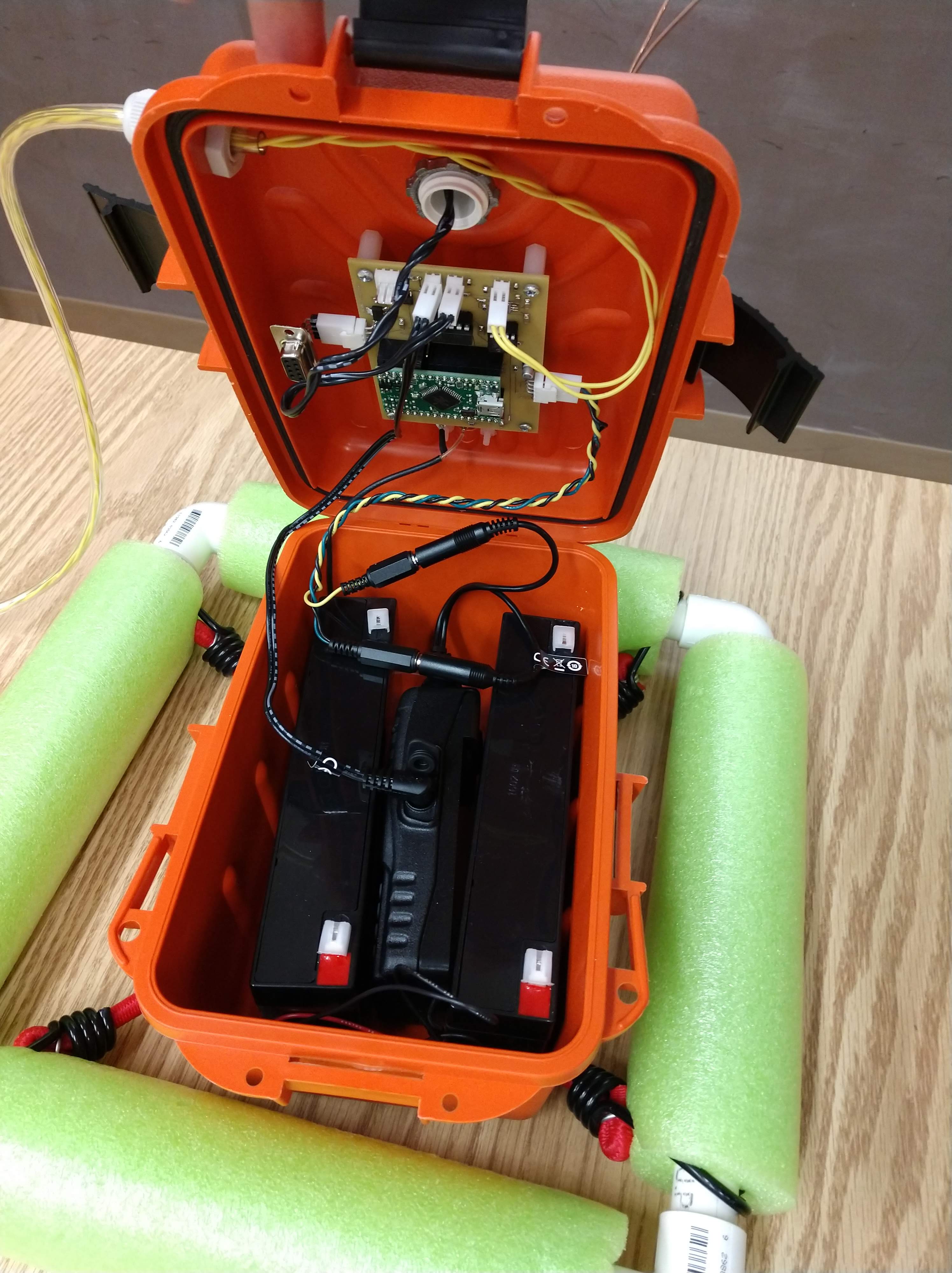
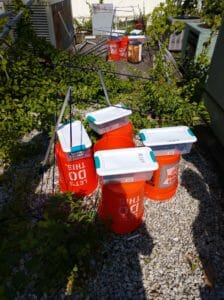
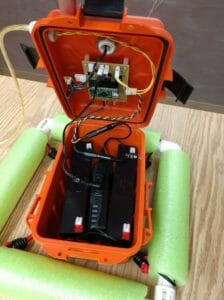
Over the course of the week, Instructor Matt Severin brought participants through building a remote sensing buoy using an Arduino and sensors that included GPS, Pressure, Altitude, and Temperature.  Participants programmed their buoy to relay information through the APRS system.  Using a Yaesu FT-60R and 12-volt battery, the buoys were set outside overnight.  Each participant’s buoy sent over 20 hours of data through APRS.  Participants then copied the data into Excel and created several graphs that showed the change in temperature inside and outside the buoy over the course of time.  We were also able to see the health of the battery and other measurements over the course of the same time.  I believe one use for my new buoy will allow me to have students utilize local data while studying statistics in mathematics class.
ARRL Teachers Institute

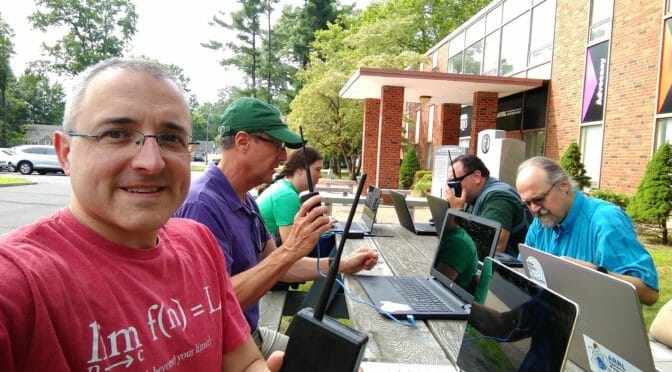
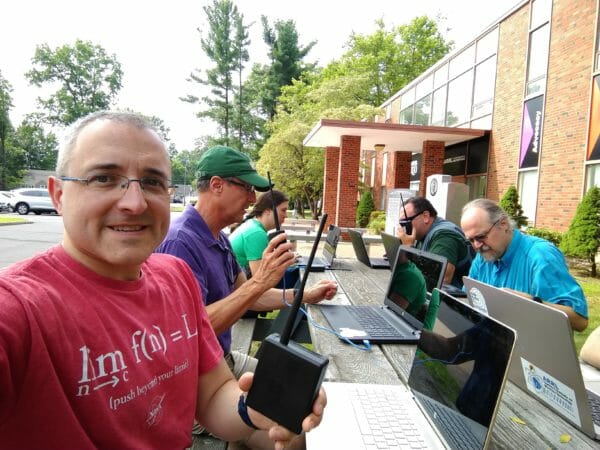
Participants also explored how amateur radio could easily be brought into the classroom through the use of SDR radio.  By connecting an SDR to a laptop in conjunction with the program  HDSDR I was able to hear local radio stations, the NOAA weather updates, and packets being transmitted through the air.
ARRL Teachers Institute

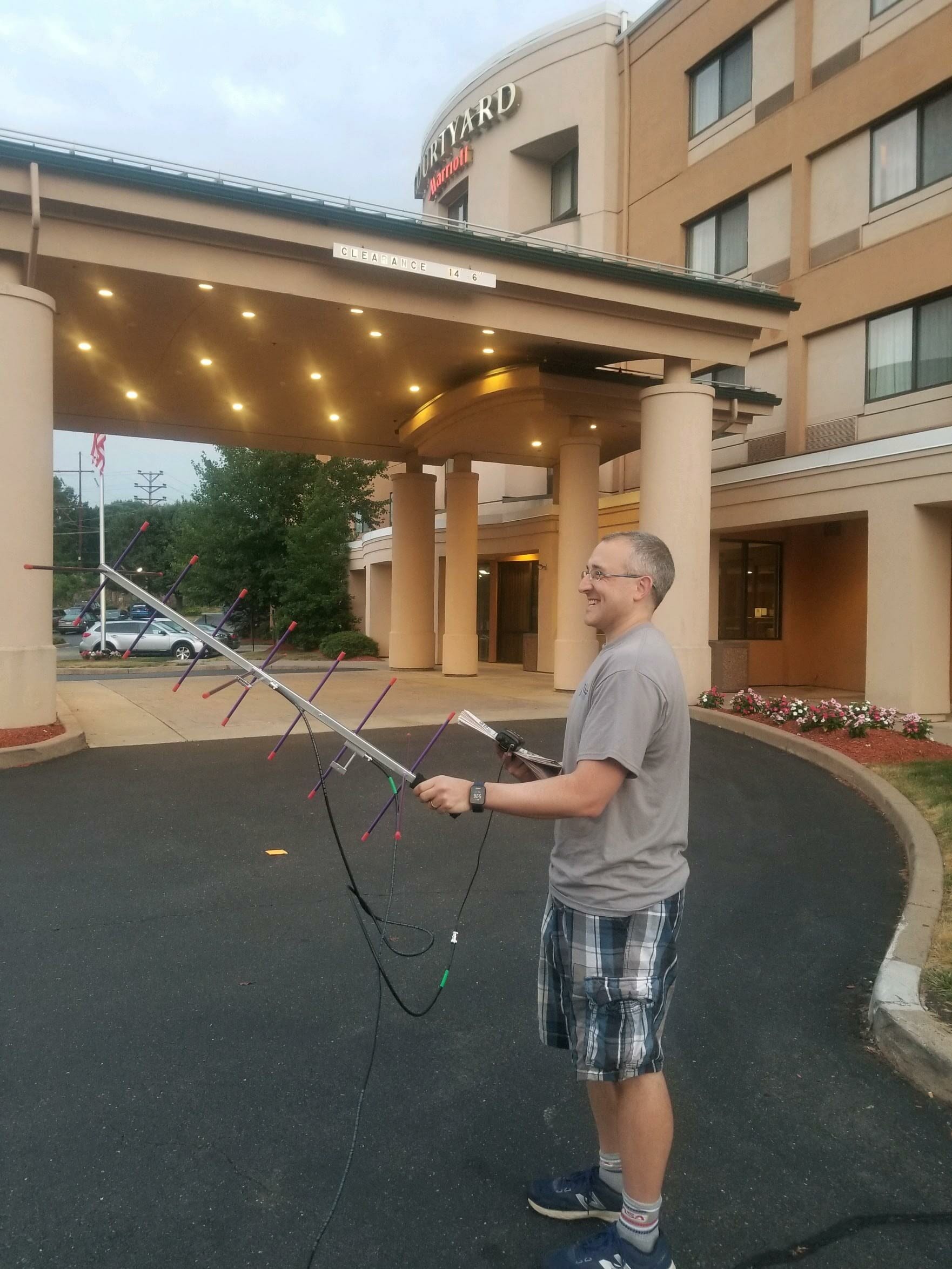
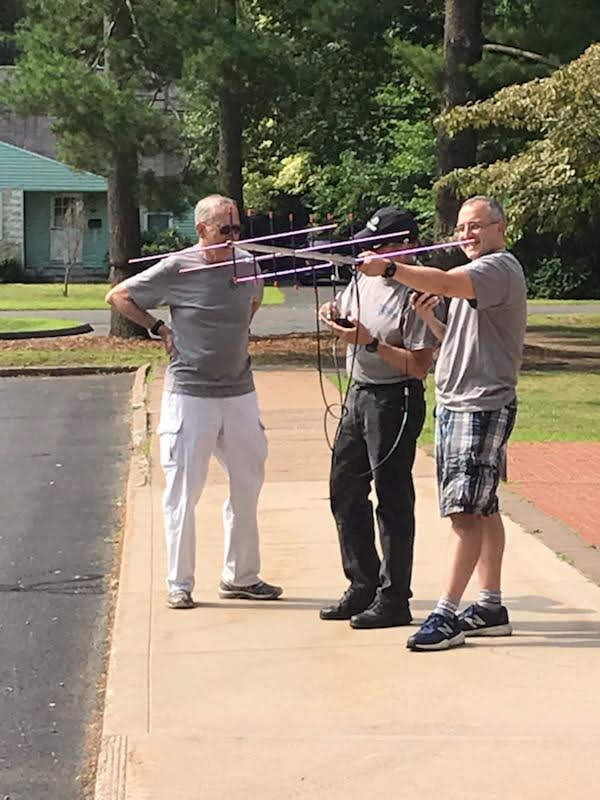
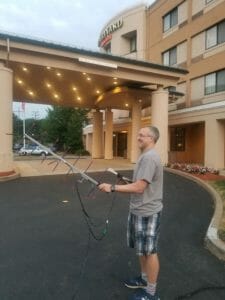
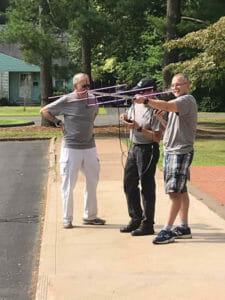
The item that I found most exciting was the use of our new Arrow Antennas to make satellite contacts.  During the course of the week, participants went outside of headquarters several times to attempt contacts through SO – 50, AO 91, and AO-92.  Being rather new to ham radio, I found this very challenging as the airways on a good pass are very noisy.  I also discovered that I am far too polite to interrupt others.  To get over this, myself and another participant took our radio and Arrow antennas back to the hotel and attempted a contact in the early morning.  I am pleased to report that I was able to make my first satellite contact on SO-50 at 7:10 am in the morning.  Okay, I stand corrected.  It was really my second satellite contact since I did get to contact the International Space Station with my students last December.
ARRL Teachers Institute

Another thing I found interesting was using my Arrow and SDR radio to collect data packets from the passing satellites.  On one pass AO-91 turned on its picture transmission so that we could attempt to collect the packets.  I was able to collect 6 of the packets but did not get a picture. We then looked at the telemetry that we were able to collect from the satellites.
ARRL Teachers Institute ARRL Teachers Institute

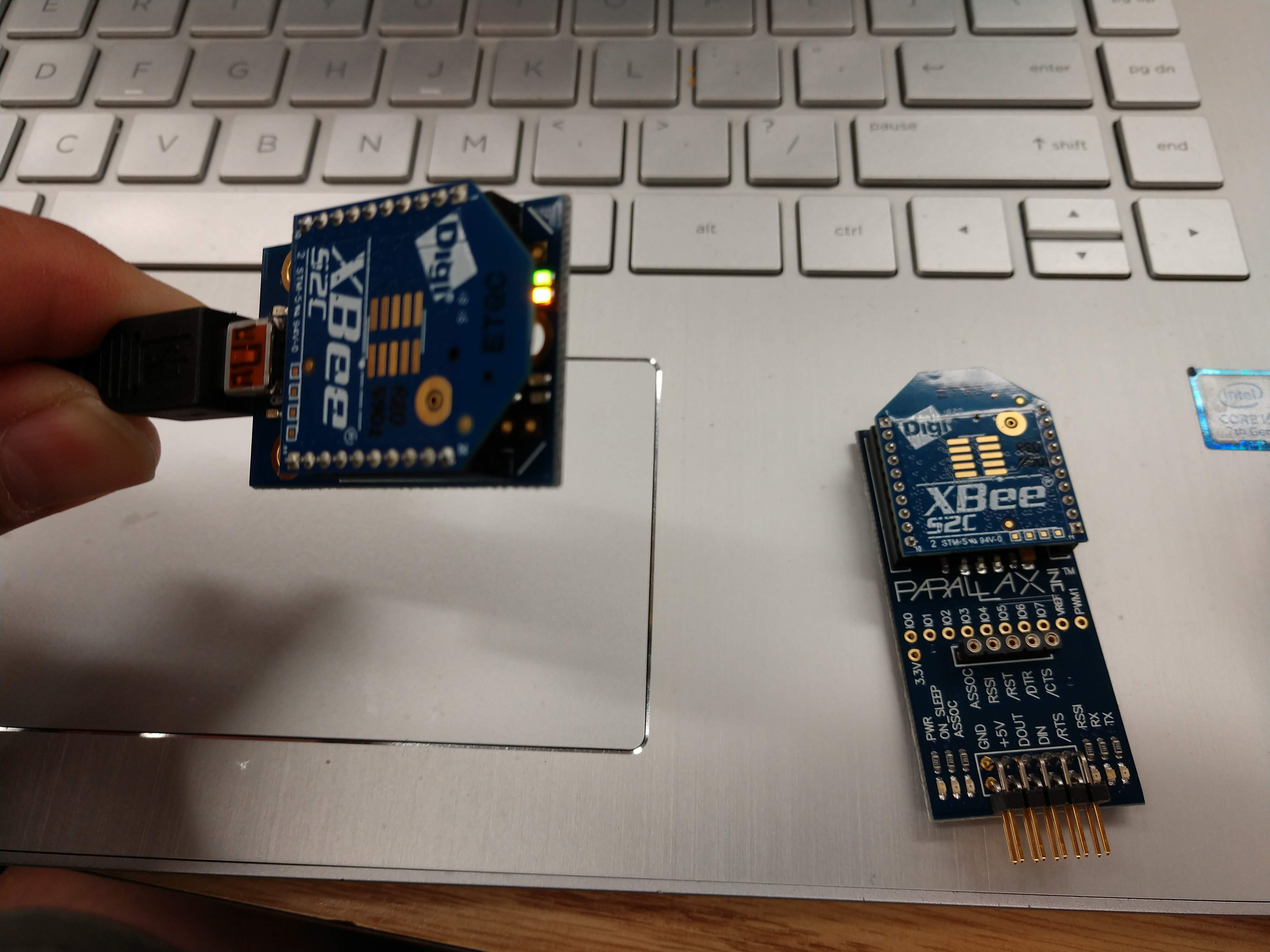
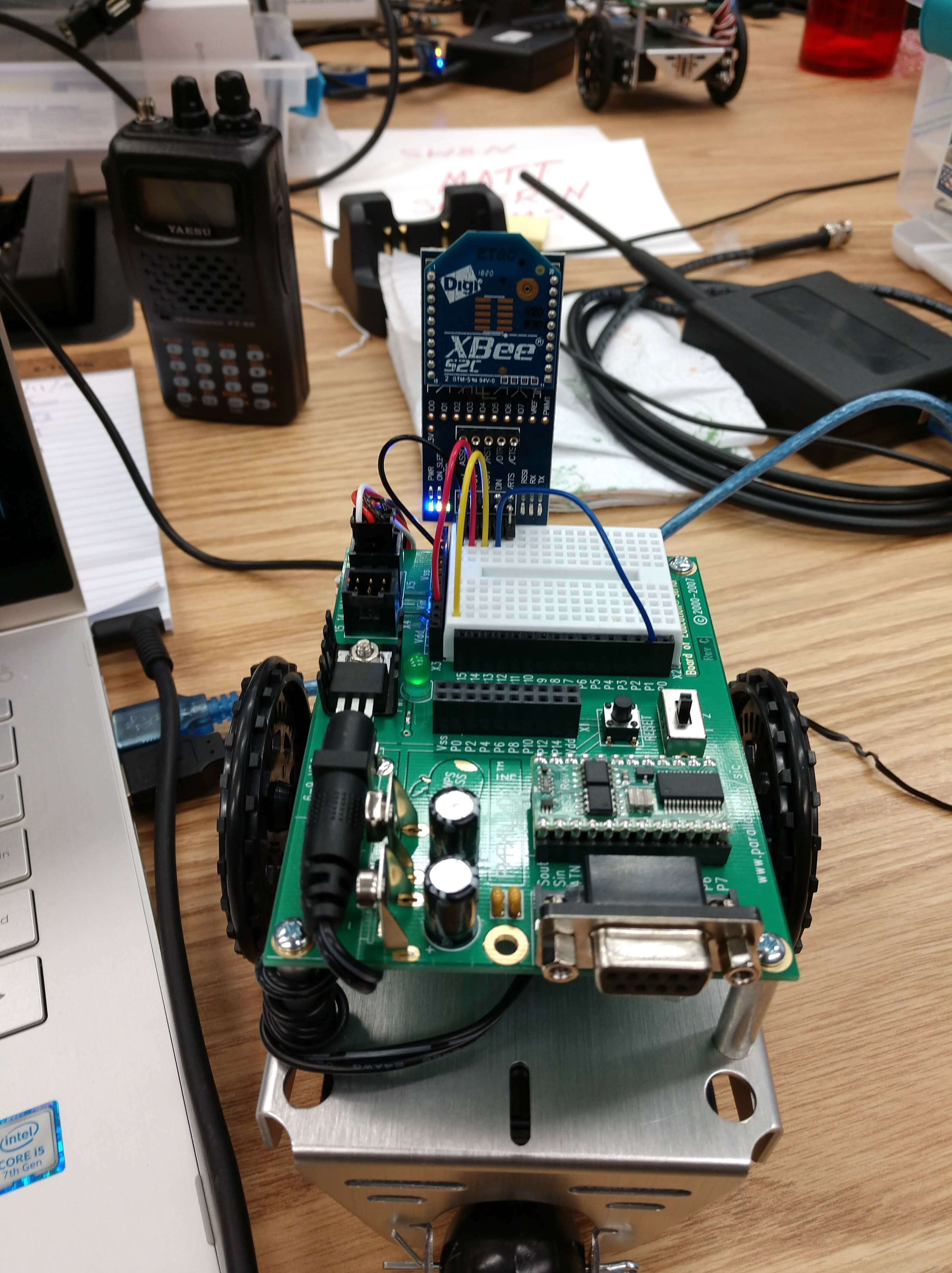
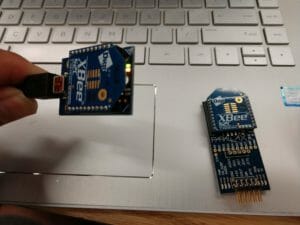
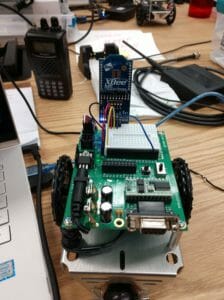
On the last day, we once again used the APRS system.  This time we used the MAREA protocol to send commands to the same Arduino robots that we built last year.  With a few extra pieces we were able to send our robots’ instructions to move forward, backward, left, and right.  The MAREA protocol was a great demonstration of how NASA controls rovers that have been sent to the moon and Mars.
ARRL Teachers Institute

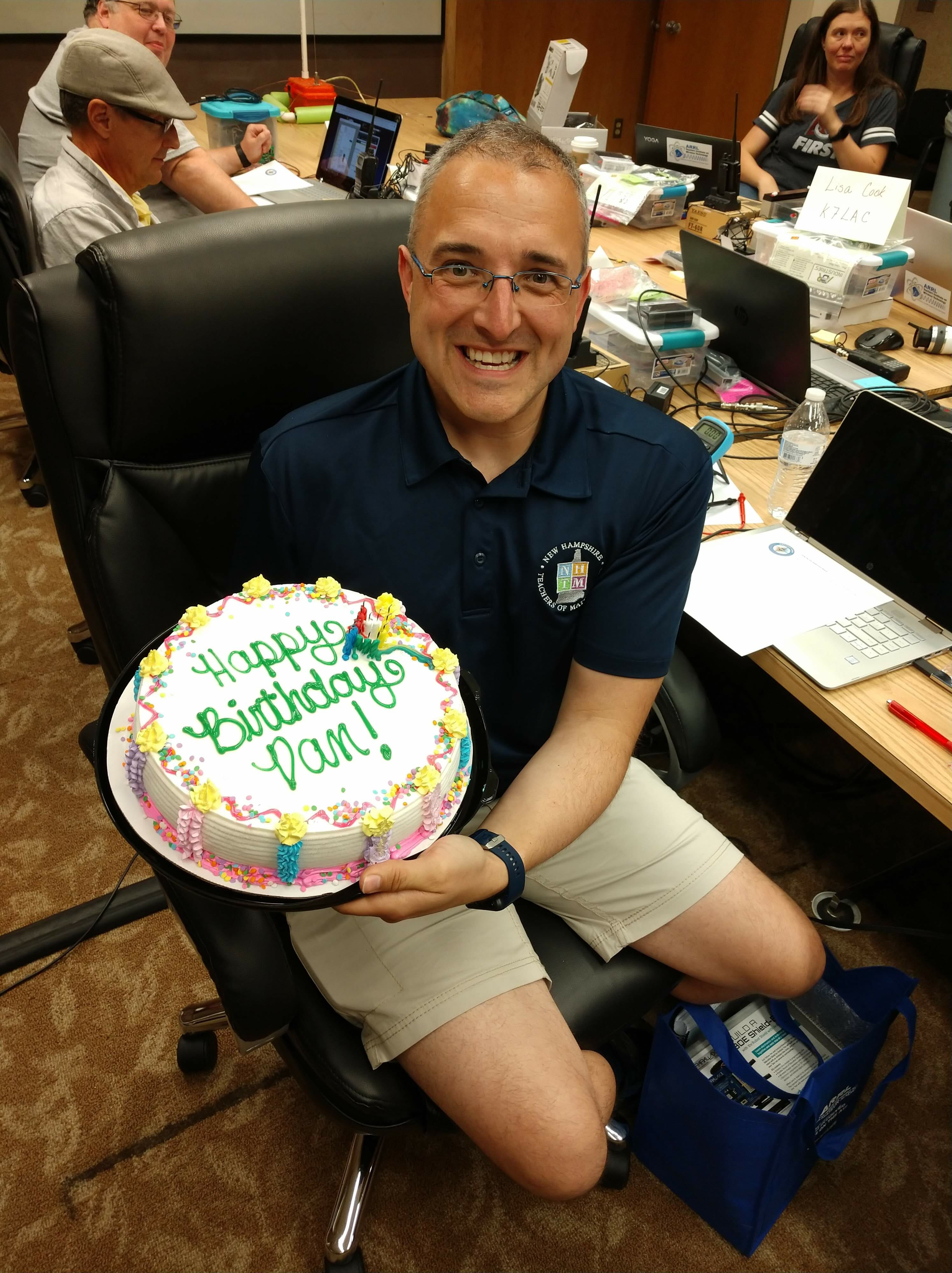
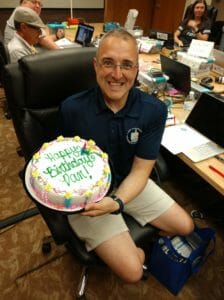
I would like to thank all of those ARRL members whose contributions made these two years of professional development possible.  I will remember this forever.  It was even more special to me as the first day of this workshop landed on a day that many others dread.  I turned 40 on July 8th.  While I was not with my family, I gained a whole new family of educator friends that I know will continue to support each other as we bring Amateur Radio to a whole new generation.  Thank you, Ally, Kris, ARRL, and the Nashua Area Radio Club Members who continue to support me through my continued discovery of Amateur Radio.

Dan, AC1EN

Radio Amateurs Developing Skills Worldwide