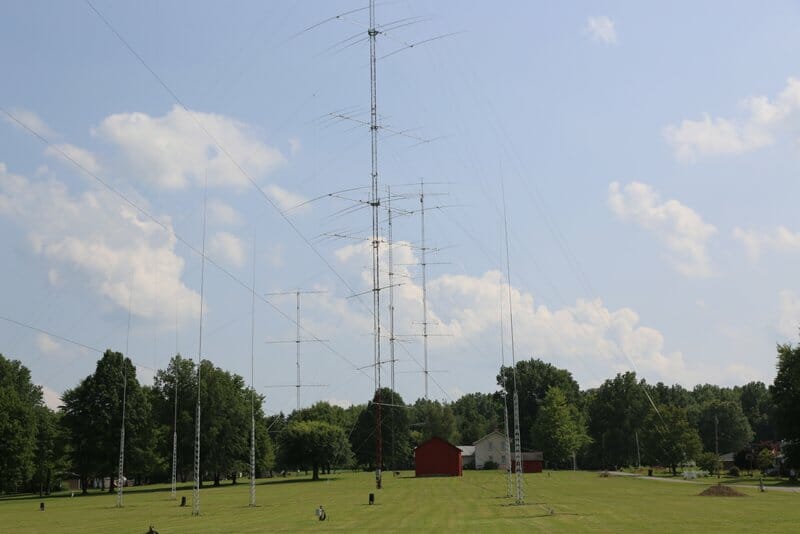
Normally for the Nashua Area Radio Society, Field Day is a large, well-organized group activity of members, and many family members, setting up (and, later, taking down — safely!) at least a half a dozen stations, temporary towers with beam antennas, some interesting wire antennas, and our own emergency power grid. It’s a chance for members to try out transceivers and antennas and bands and modes that they may not have at their home QTH. It’s also a chance for members of the public to see what ham radio is all about and get an idea of what a temporary communications center hams can create in 24 hours in the event of a natural disaster or other emergency situation. So here’s what W1AKI Field Day plans are for 2020.
Life is What Happens When You’re Making Other Plans
This year, of course, things are different. They aren’t completely unprecedented — health care professionals and scientists have learned a lot from the 1918 Pandemic and, unfortunately, numerous others. But this is a new virus and a new disease, and the world is a much more crowded and interconnected place than it was over a century ago. Fortunately, we have technology undreamed of in 1918 to help science deal with the SARS-CoV-2 virus and the deadly COVID-19 disease it can cause.
So far, our modern, global communications infrastructure has held up well, and many people are very fortunate that they can continue working from home using the Internet and broadband communications channels. I’m extremely lucky that I’m one of them. And it’s not only the Internet, but technology like 3-D printing and small embedded computers have become additional tools that people have been able to make use of in this crisis.
Always Have a Backup Plan. And a Plan C. And Sometimes a D. Maybe an E.
But what if that communications infrastructure does start to buckle under the load? As hams, and as members of the public, Field Day gives us a chance to think about how we would respond to that. And since we’re right in the middle of the pandemic ourselves, it forces us to look more closely at the changes we need to make to respond now. Does your “go kit” have a supply of face masks, hand sanitizer, and sterilizing wipes, not to mention soap and extra water for washing as well as drinking? Whether or not it did a year ago, I’m sure it does now!
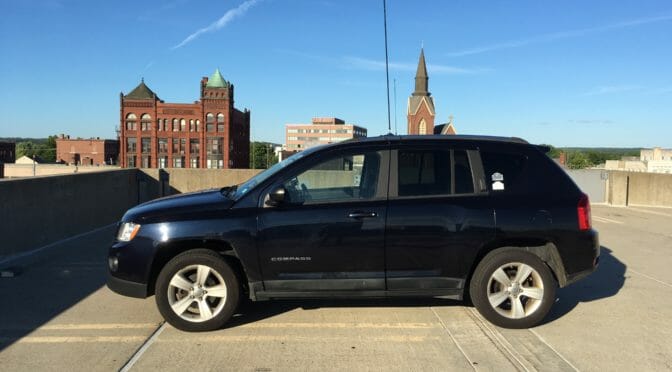
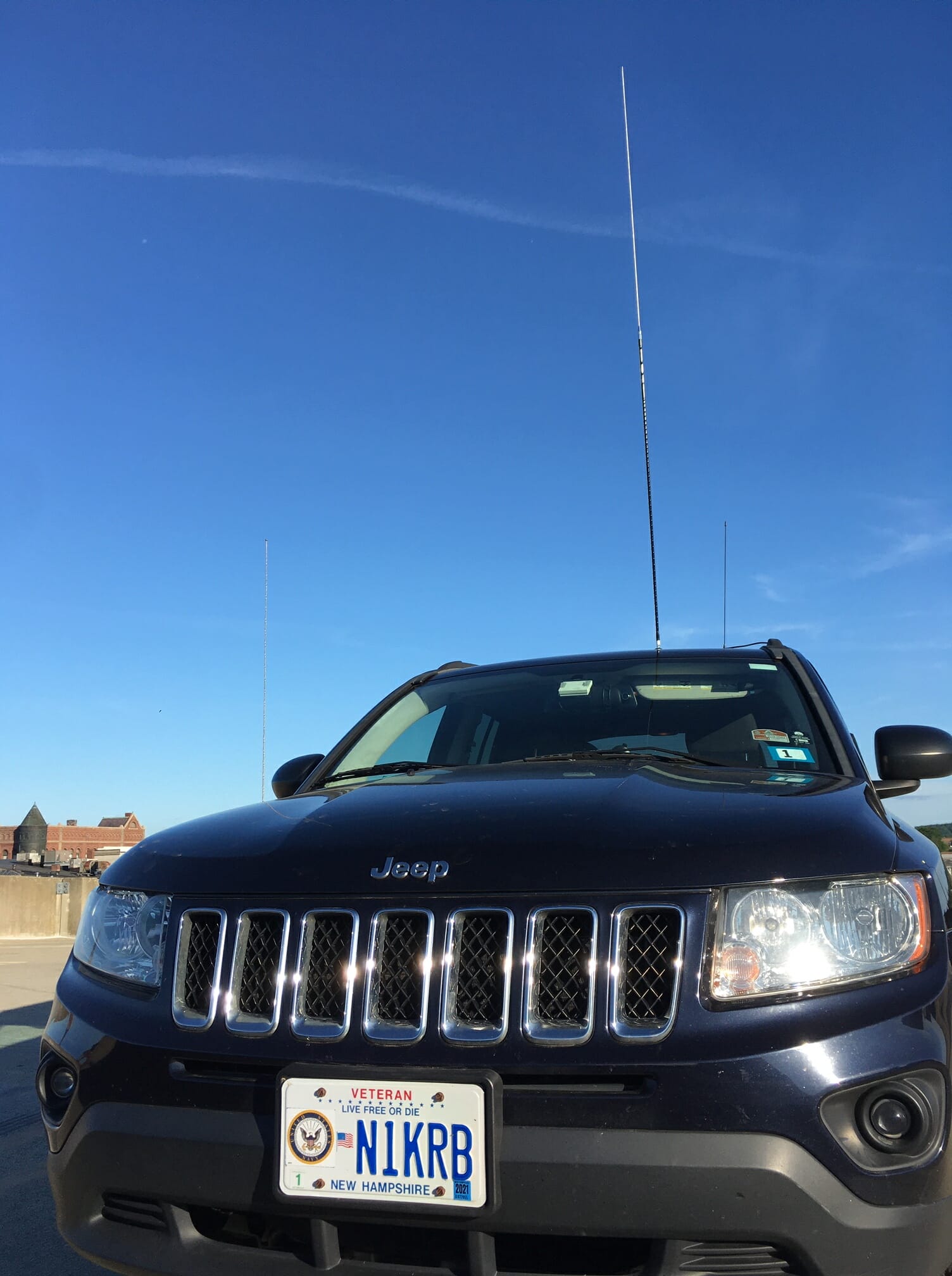
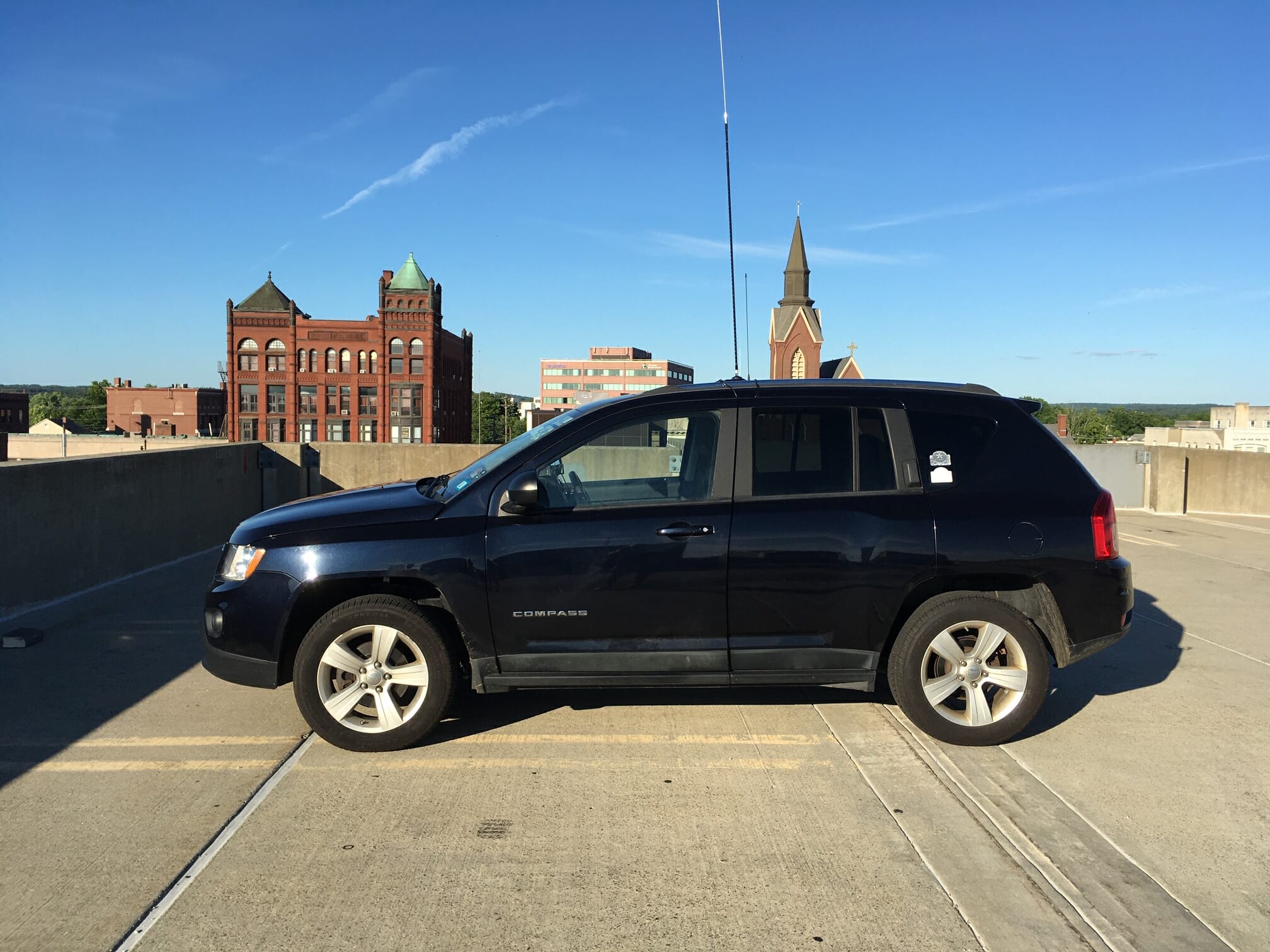
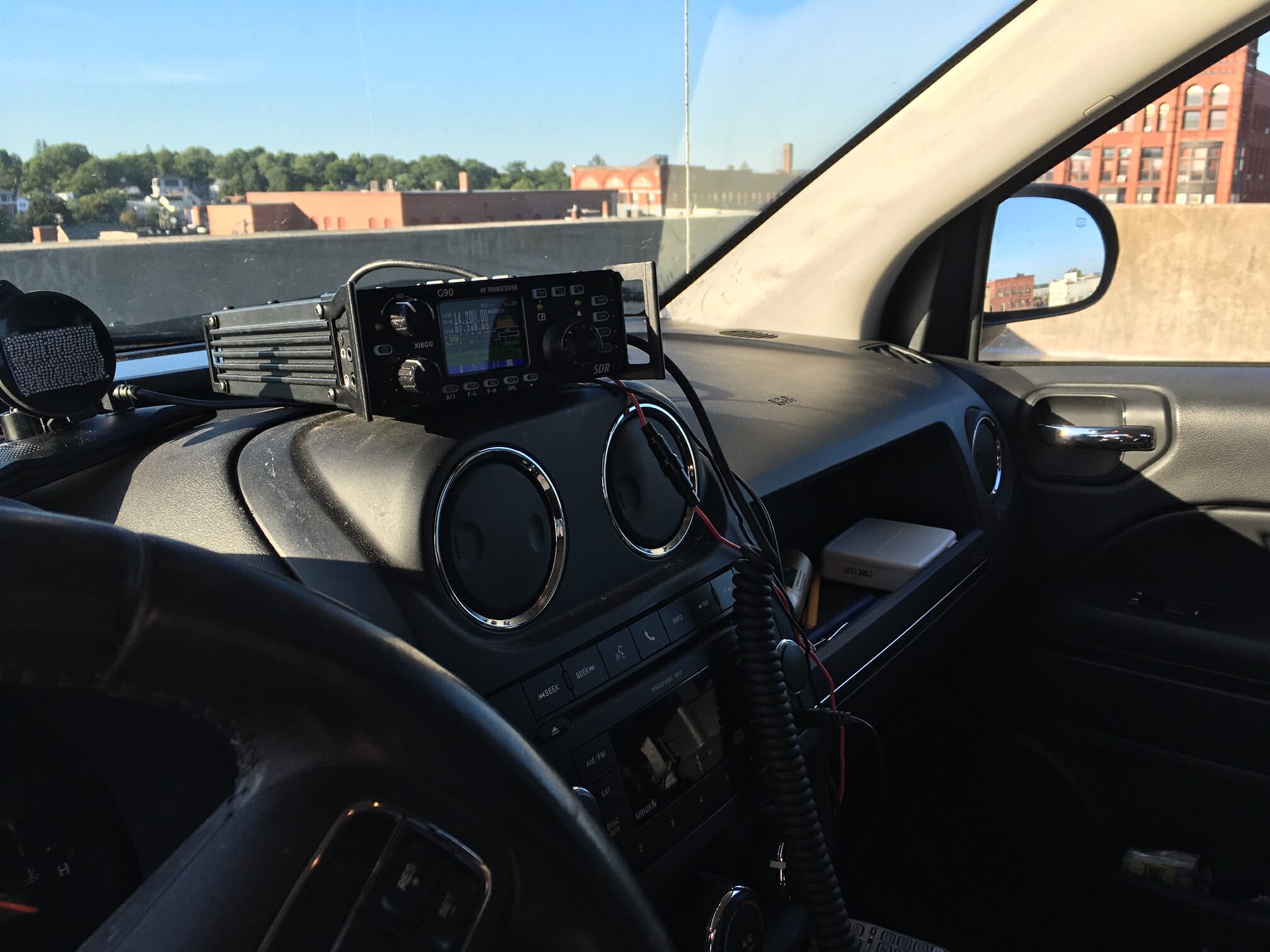
So, this year, NARS won’t be setting up temporary towers in an idle athletic field. We won’t have a half dozen or more stations operating under the N1FD call sign with a small pool of gasoline-powered generators pushing our signals up to the ionosphere and back. We’ll be operating with our own call signs, from vehicles in isolated locations, from temporary stations set up by an individual or family member, or from our regular home stations.
Meanwhile, Back at W1AKI Field Day
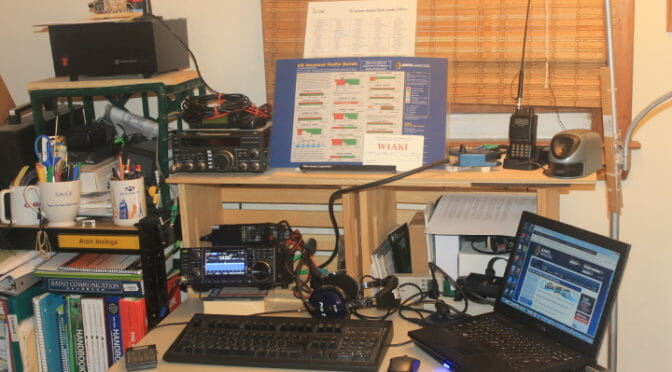
I’ll be operating from home like so many others, with “100 watts and a wire” — an IC-7300 transceiver barefoot and an Alpha Delta 5 band fan dipole. (Okay, sorry, that’s more than “a” wire. And they’re mostly parallel, not in a wide fan. But it’s such a nice, traditional phrase. How can someone with a W1 call not love it? But I digress.) The 80m elements are extensions of the 40m elements with traps so that it is short enough to fit (just barely!) in my back yard.
My preparations so far have mostly included moving stuff around the shack so I can operate more comfortably, and updating the applications I use Firefox, N1MM Logger+, the DXLab suite, and DXLab’s various databases.
I won’t be using emergency power because I know that my generator works well (we have a few power outages here each year that give us a chance to test it; fortunately, power usually comes back in less than a half a day) and I’m willing to sacrifice the points to save fuel. (I’ll just have to make, what, 100 more contacts to make up for it? Oh, well, it is good practice.)
I’ve dug out some em-comm information and started refreshing my memory on message traffic procedures, that’s one thing I haven’t gotten to do before at Field Day. If I’m lucky, I’ll have time to finish tuning my antenna Saturday morning. My stretch goal is to get my son (an entomologist and microbiologist) on the air, but we’ll just have to wait and see how that goes.
It’s time to go double-check what the exchange is and get some rest. I hope to see you on the air. 73 and take care of yourselves!
Aron, W1AKI