Tag Archives: Antennas

Our Second Round Of NPOTA Activations

We held our second series of National Parks On The Air Activations this past week. The weather was beautiful and we have the pleasure of activating two different parks this time.

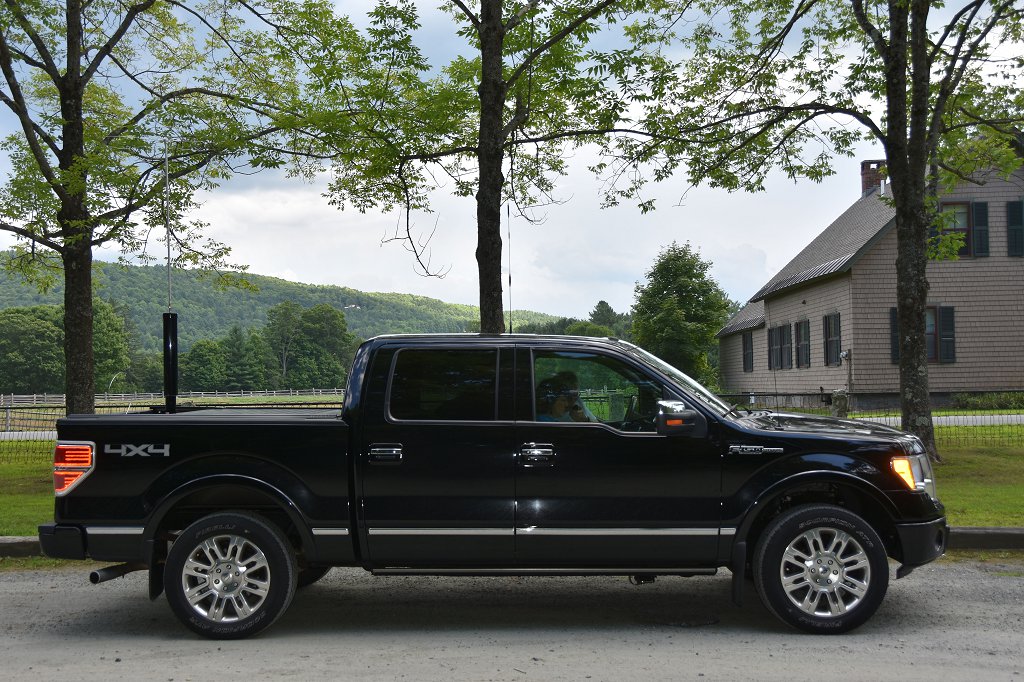
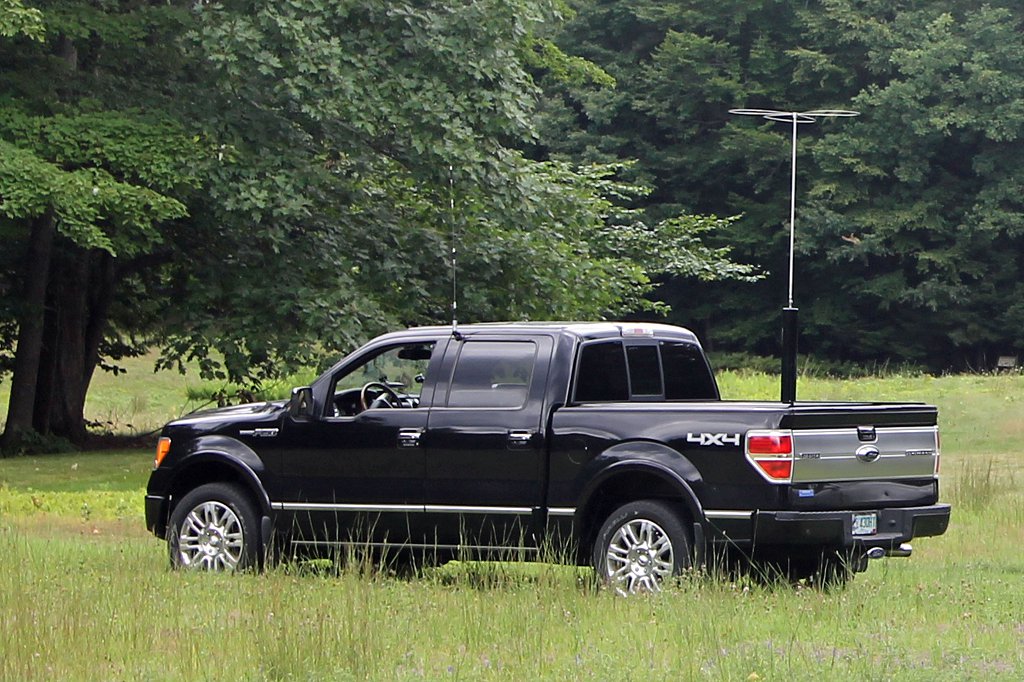
Mobile HF In NPOTA Marsh-Billings-Rockefeller NHP
Mobile HF In Marsh-Billings-Rockefeller NHP

On Saturday, Aron W1AKI and Merle W1MSI Insinga, Anita AB1QB and Fred AB1OC activated Marsh-Billings-Rockefeller National Historic Park (NPOTA HP26) in Vermont, USA. We used our Mobile HF station for this activation which was an SSB operation on 20m and 40m using 500w.

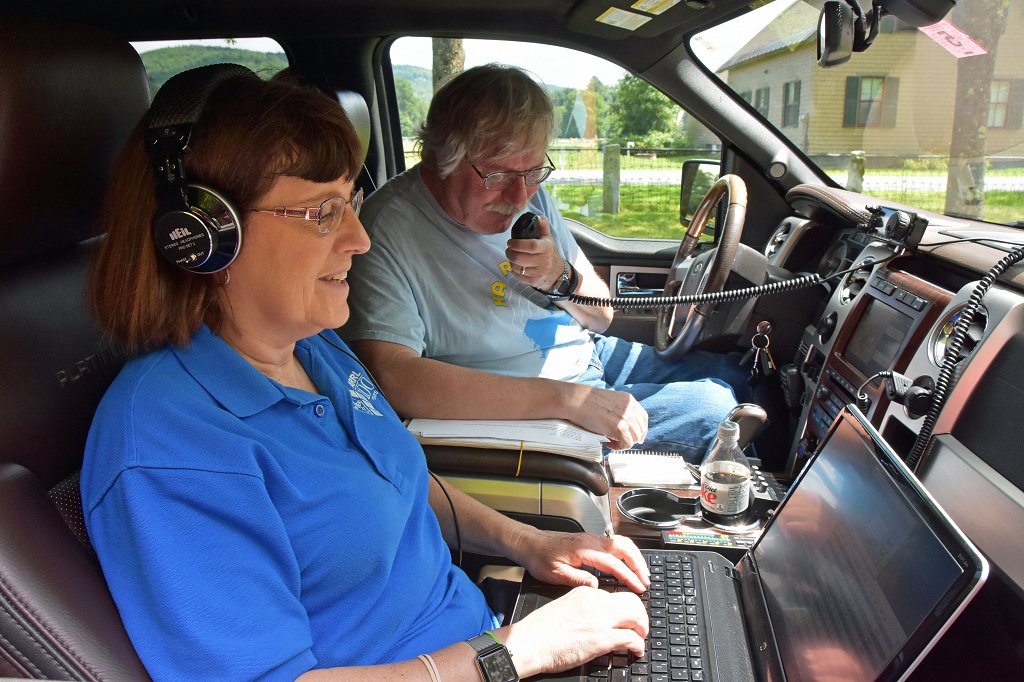
Operating Mobile HF in NPOTA NH26
Operating Mobile HF in NPOTA HP26

We took turns operating as two person teams with an operator and a logger. The IC-7000 radio which we use in our Mobile HF station is easily accessible for connection and we brought a laptop running N1MM+ which we connected to the radio. This made logging accurate and easy. We made a little over 210 QSOs in about 2 1/2 hours in Marsh-Billings-Rockefeller on Saturday.

Saint-Gaudens NHS NPOTA
Saint-Gaudens NHS

On Sunday, we activated Saint-Gaudens National Historic Site (NPOTA NS60) for the second time.  In addition to the gang from Saturday, Joe KB1RLC and Jill Gordon, Jeff Millar WA1HCO, Ira Brand KC1EMJ and Mike Ryan K1WVO joined us for the Sunday activation.

NPOTA Portable Antenna - 20m Inverted-V
Portable Antenna – 20m Inverted-V

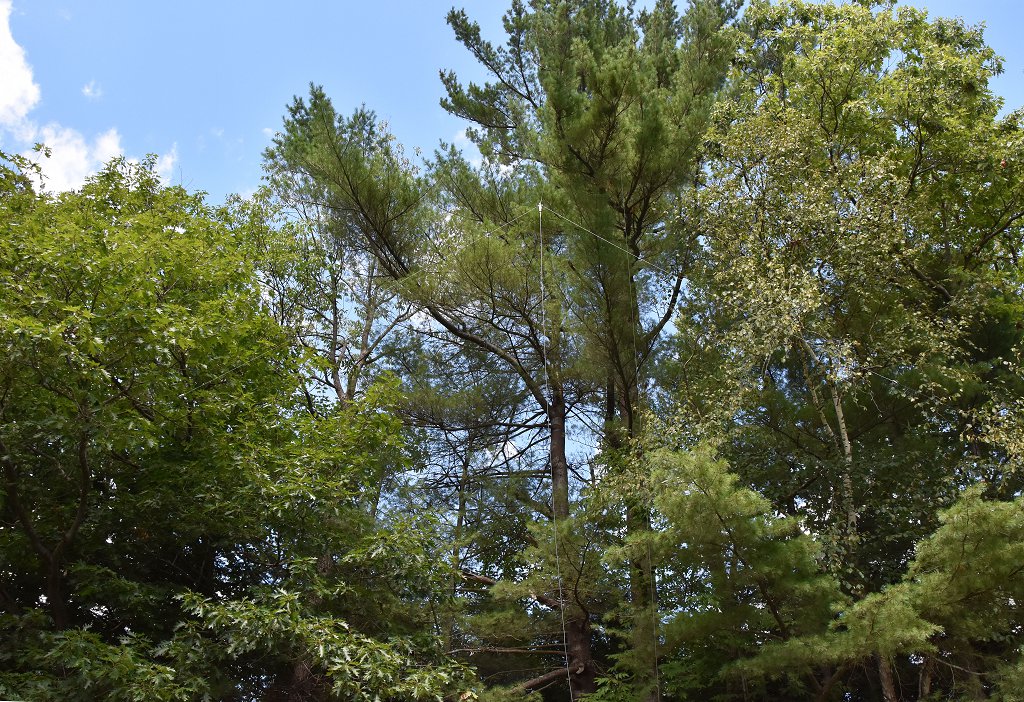
We arrived early on Sunday and began our operation by setting up and tuning a 20m Inverted-V antenna for our portable station. We were able to get the feed point of this antenna up higher (about 35 feet) this time and the antenna performed better as a result.

Portable Operation With A View - NPOTA NS60
Portable Operation With A View – NPOTA NS60

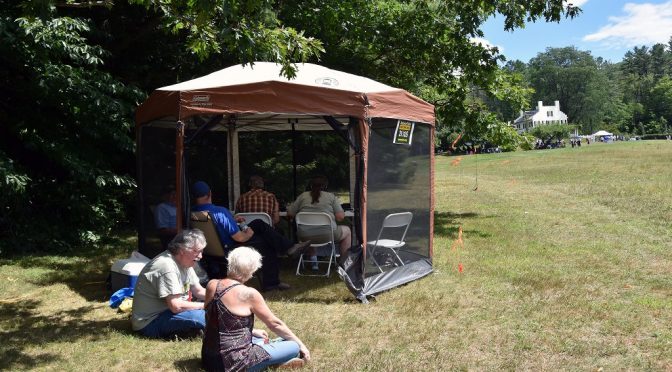
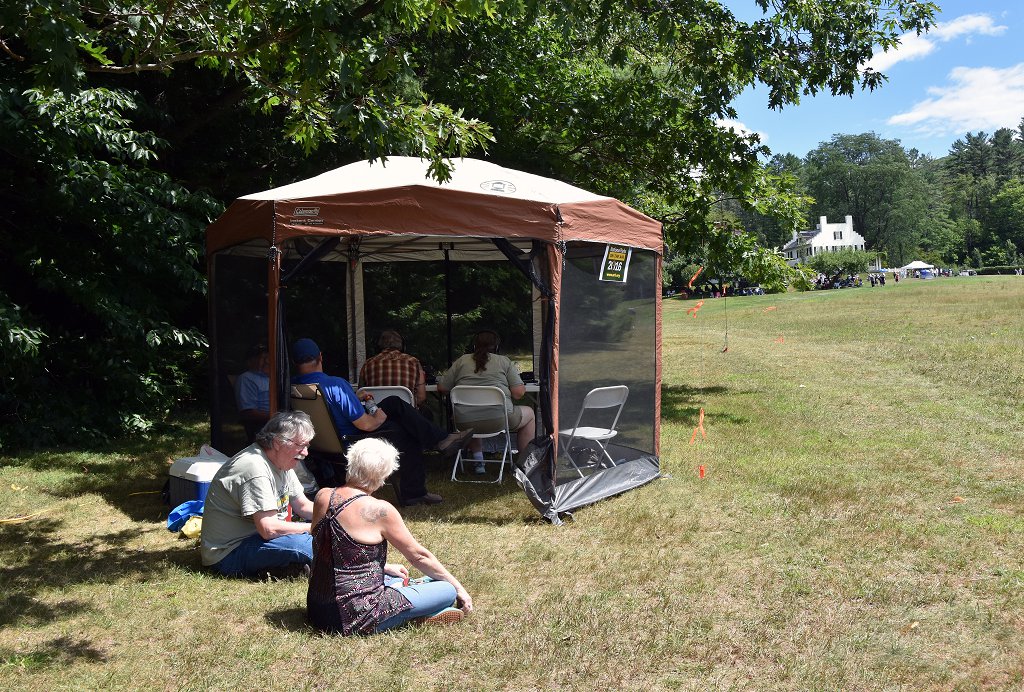
We setup our 20m portable station in a shady spot at the bottom of the park’s meadow. This gave us a nice view while operating.

20m Portable NPOTA Station
20m Portable Station

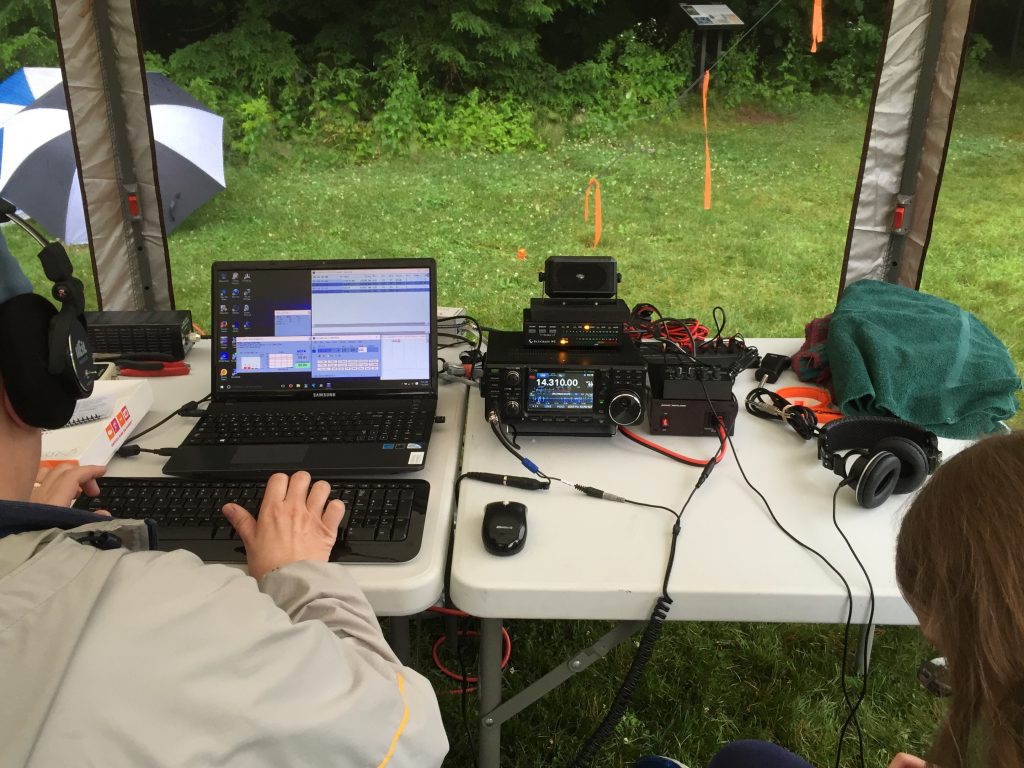
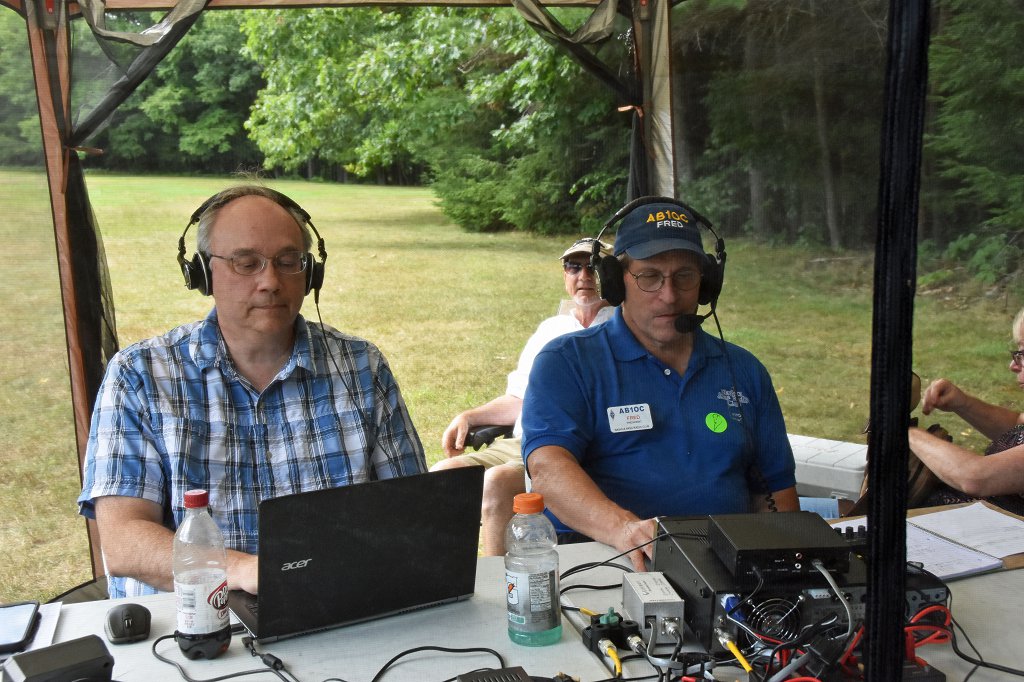
We used our 20m portable setup which is based upon the 100w Icom IC-7300 again for our second activation and it worked very well. We had a laptop computer running N1MM+ for logging.

Nashua Area Radio Club Operating Portable In NPOTA NS60

The 20m portable station tent was our main “hang out” during our NPOTA activation on Sunday.

Mobile HF On 40m In NPOTA NS60

We also had our Mobile HF station at Saint-Gaudens and we operated it on 40m. We were QRO at 500w from the Mobile.

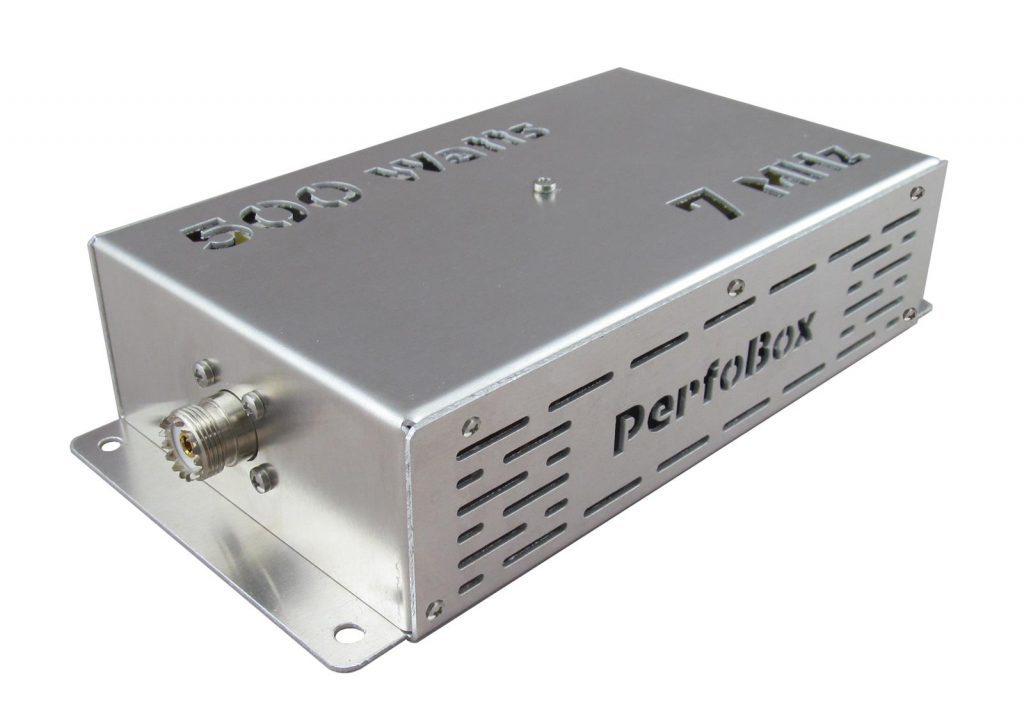
40m Bandpass Filter - 500W
40m Bandpass Filter – 500W

We used the new bandpass filters from DXEngineering on both the 40m Mobile HF and 20m Portable stations. These filters have very low passband loss and very good filtering characteristics. We had no problems with interference between our 20m and 40m stations during our activations.

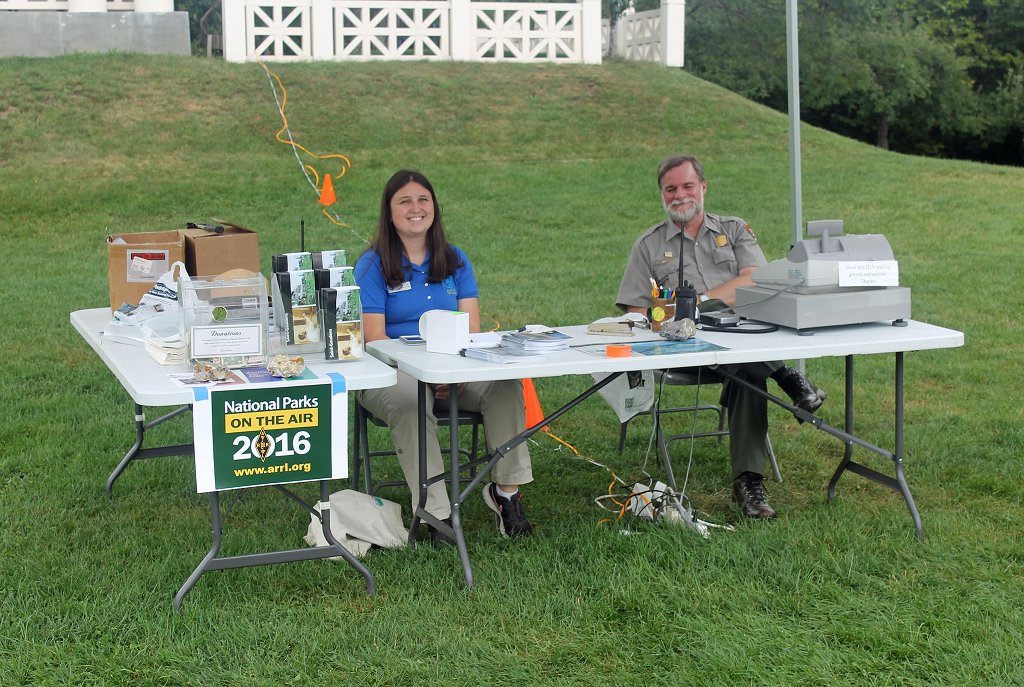
Saint-Gaudens Park Staff Supporting NPOTA
Saint-Gaudens Park Staff

The park staff rolled out the red carpet for us during both of our NPOTA activations. They displayed our signage and shared the information that we provided about the NPOTA program and our club. They really made us feel at home in the park.

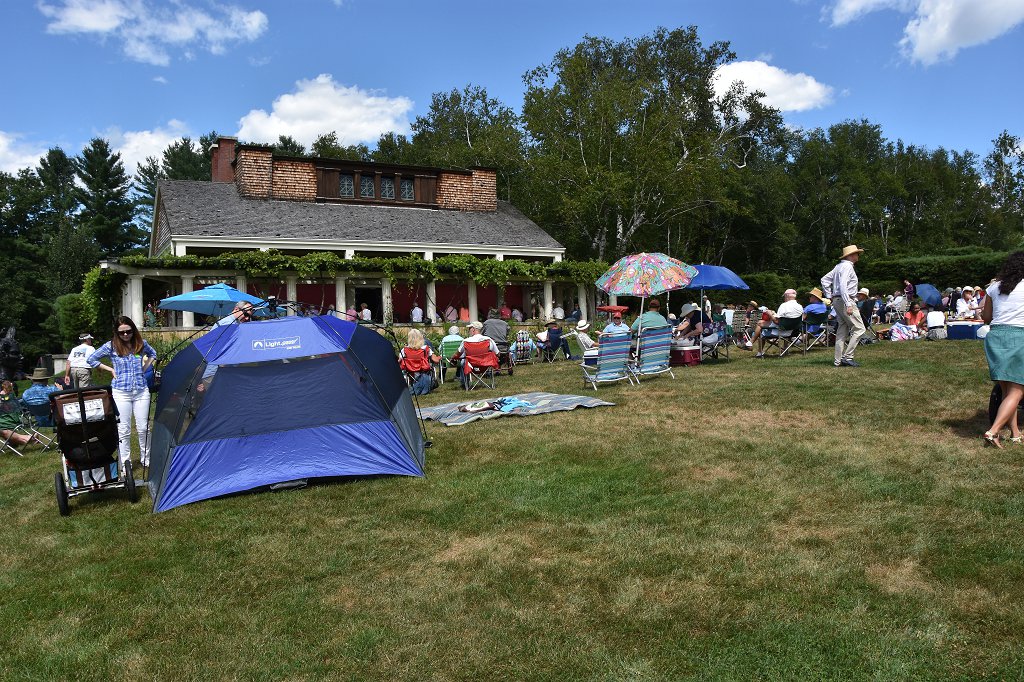
Great Weather And Music Draws A Crowd

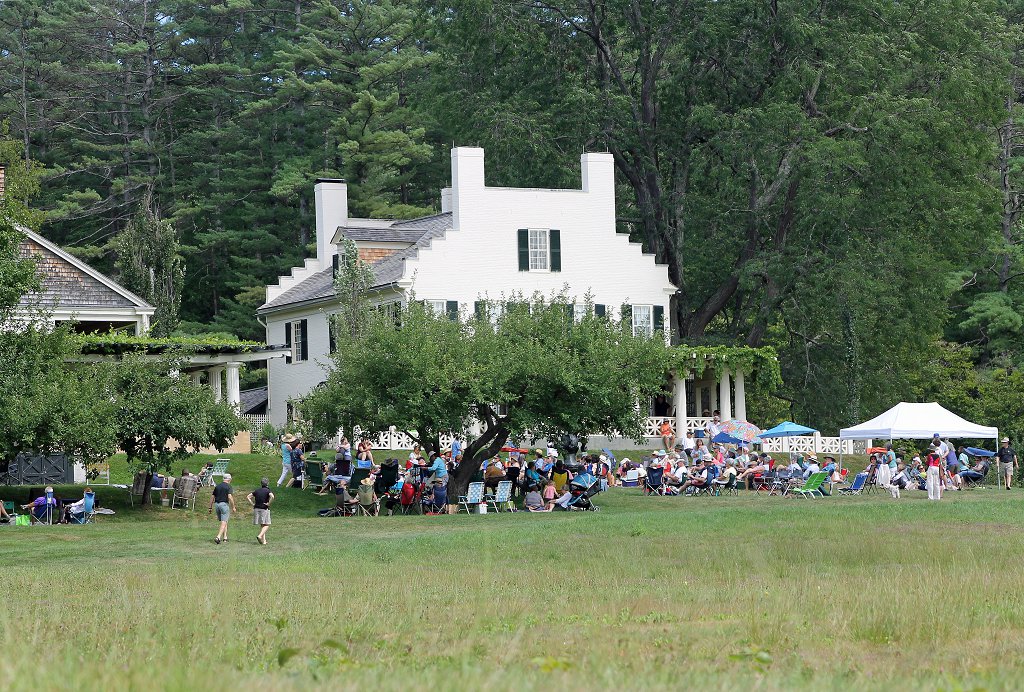
There was a large crowd of visitors at the park during our activation. The combination of great weather and live music was a huge draw for folks. This gave our club and our NPOTA activation some nice public exposure.

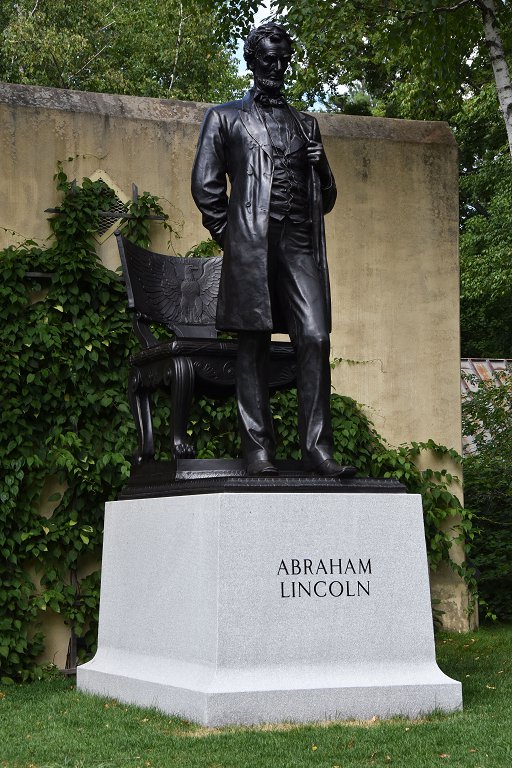
Abe Lincoln Sculpture

Saint-Gaudens was a renowned culture in his time and there are many impressive pieces of sculpture on the park grounds. The park recently commissioned this impressive sculpture of Abraham Lincoln which has become one of their centerpiece works in the park.

Flower Gardens At Saint-Gaudens NPOTA
Flower Gardens At Saint-Gaudens

The park has many beautiful gardens and they offer a wonderful set of surroundings for the sculptures in the park.

Our Favorite Walkway In The Park

This is my personal favorite spot in the park – a Birch tree-lined walkway!

Team Operating Our Portable NPOTA Station
Team Operating Our Portable Station

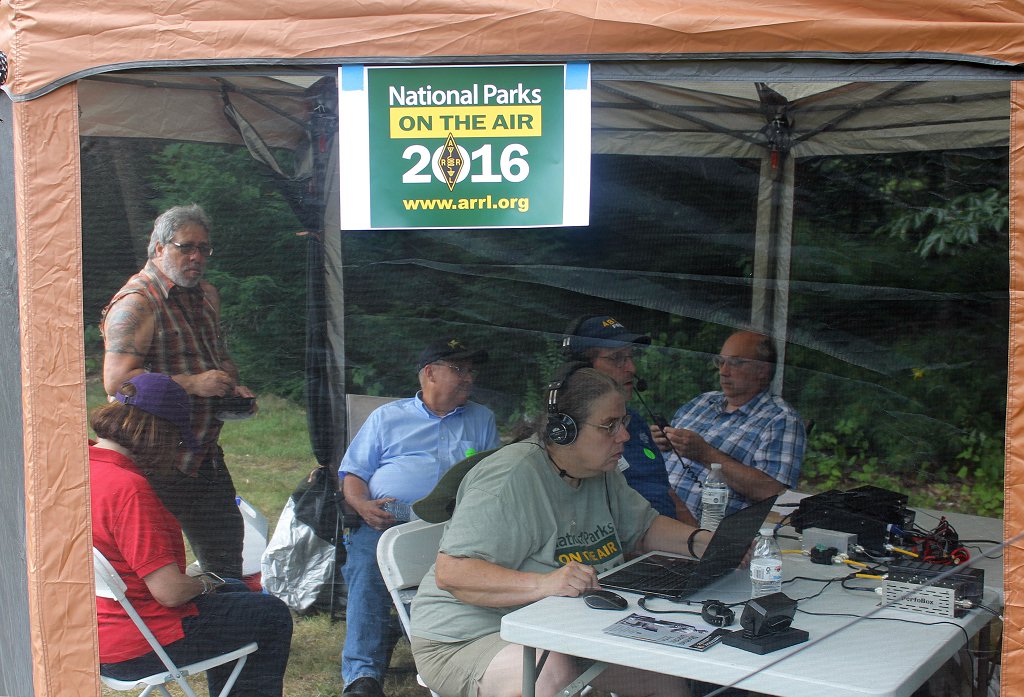
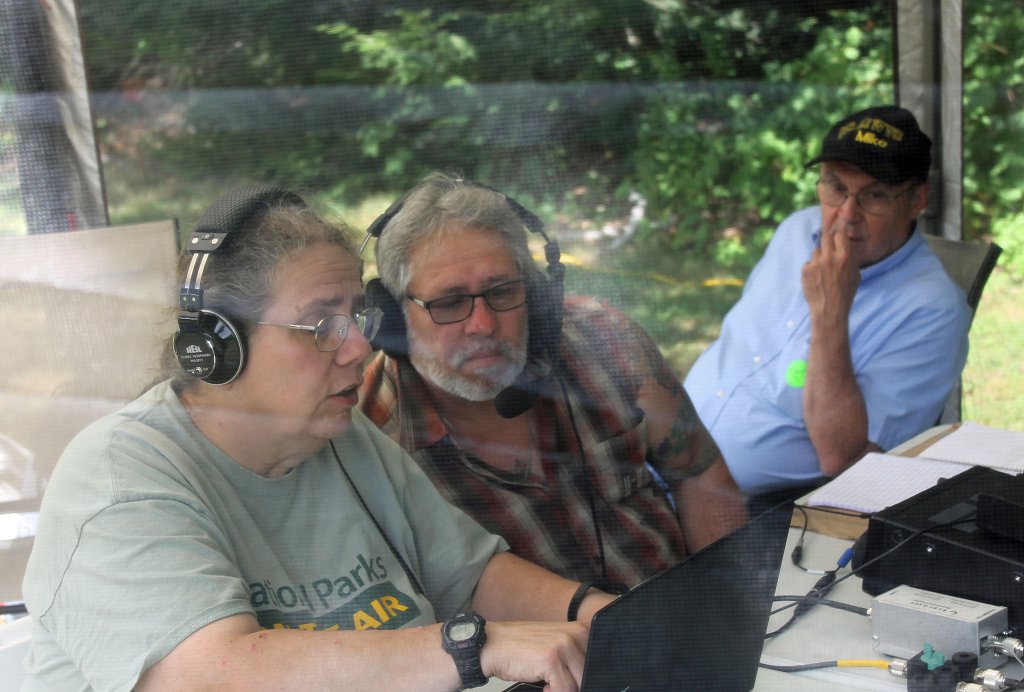
Our NPOTA operations kept us pretty busy all afternoon on Sunday. We operated as two person teams – an operator and a logger. This gave more of us a chance to operate and the teamwork made it easier to handle the steady stream of callers.

More NPOTA Team Operating
More Team Operating

I got a chance to operate both the mobile and portable stations. It was great fun handling our contacts with NS60!

Eyeball NPOTA QSO With A Local HAM
Eyeball QSO With A Local HAM

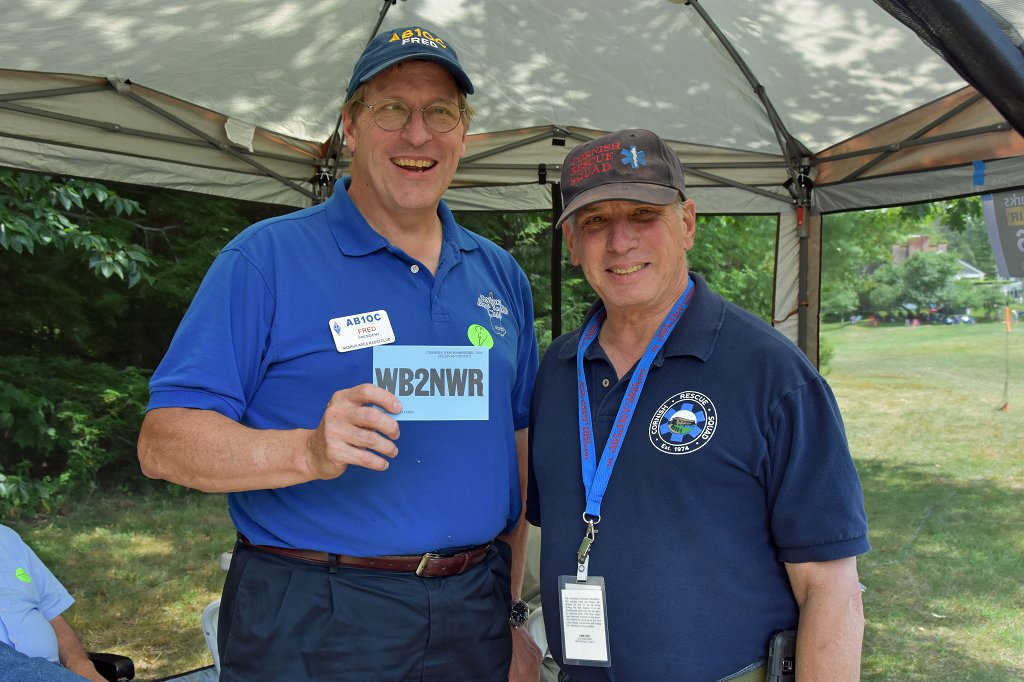
It seems that every Amateur Radio operation that I have the pleasure to be part of manages to hand our a nice surprise or two. This one was not an exception. I worked a local HAM, Jeff Katchen WB2NWR, in Cornish, NH which is very near the park. He came by afterward to visit and share his QSL card and a nice eyeball QSO!

Our operation was a lot of fun –  a success by all measures. We made a total of 570+ QSOs between our activations on Friday and Saturday.

If we include our test activation of Saint-Gaudens, our NEQP activations of both parks and our July activation of Saint-Gaudens, we have made a total of 1,240+ NPOTA QSOs as N1FD!

There was some discussion at the end of the day on Sunday about doing one more NPOTA activation this year. Our final one would be a high-power operation with both stations running QRO 500w! We will discuss this at an upcoming club meeting and we’ll certainly do a third activation if there are enough interest and support.

We took a lot of nice pictures between this last and our previous activations. You can look at them in the gallery which follows.

73,

Fred, AB1OC
Plans for N1FD Field Day 2016

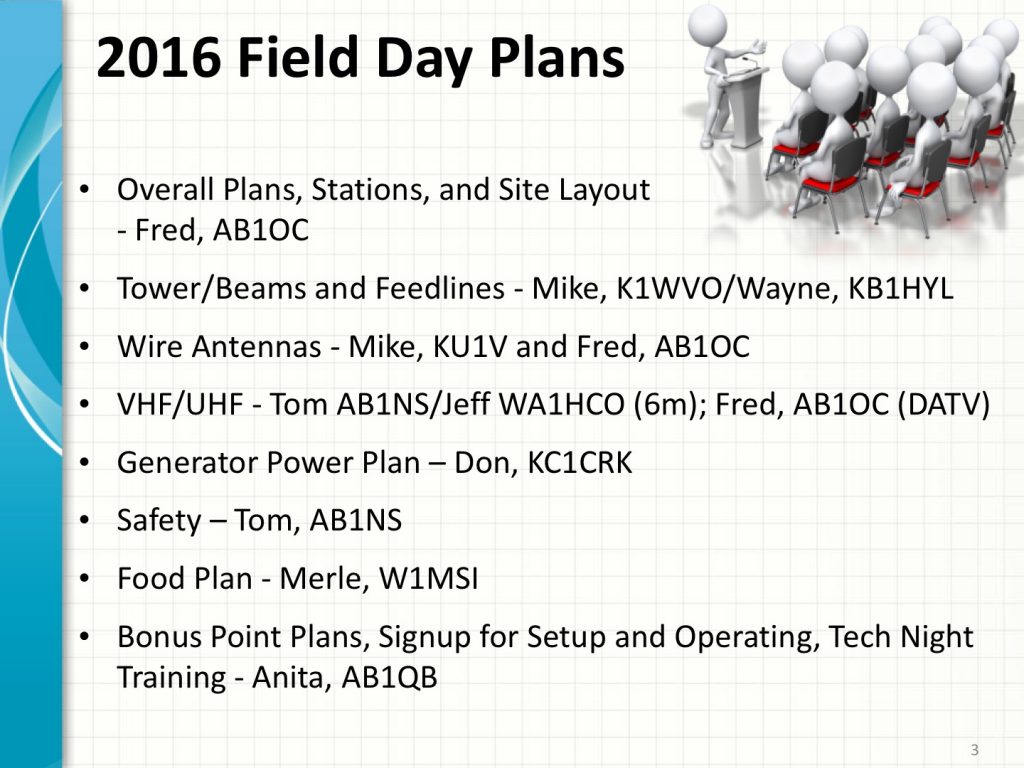
Field Day Planning Team

Our 2016 Field Day Operation is rapidly approaching and our planning is in high gear! We have a great planning team working on Field Day this year and we have a lot of fun planned!

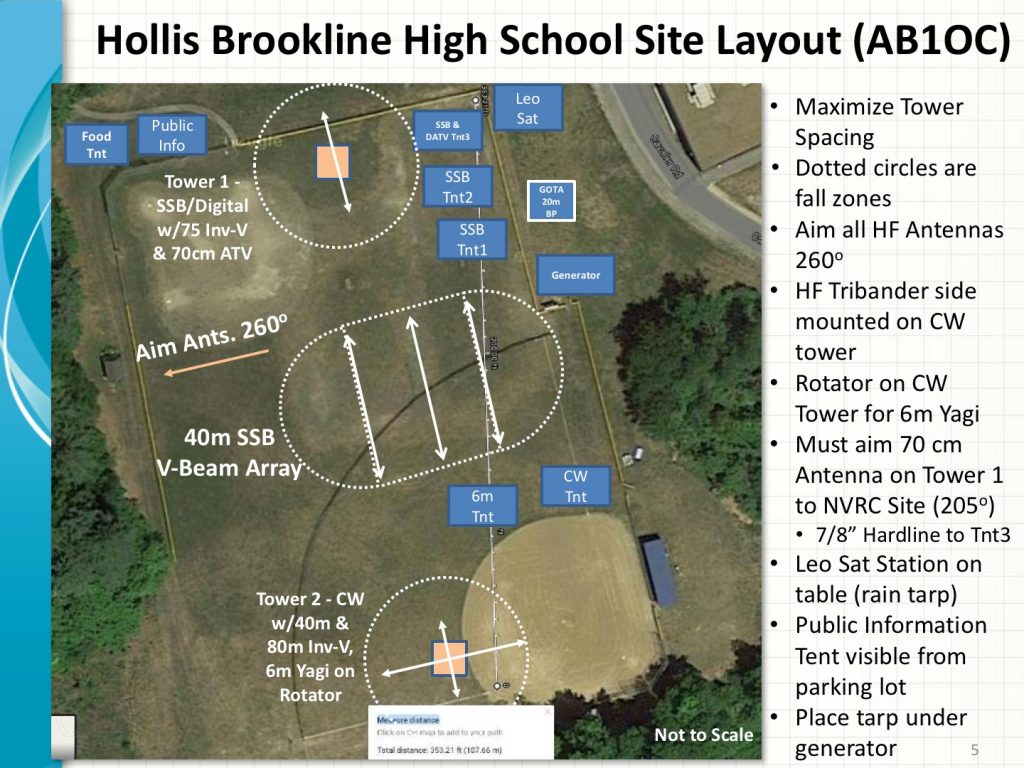
Field Day Planning - Site Layout at Hollis-Brookline High School
Site Layout at Hollis-Brookline High School

We will be operating at the Hollis-Brookline High School in Hollis, NH this year. We’ve been working on antenna plans and a layout for the site. We expect to be 7A or 8A this year. We are also going to try operating using a combination of Digital and SSB Phone from the SSB Stations.

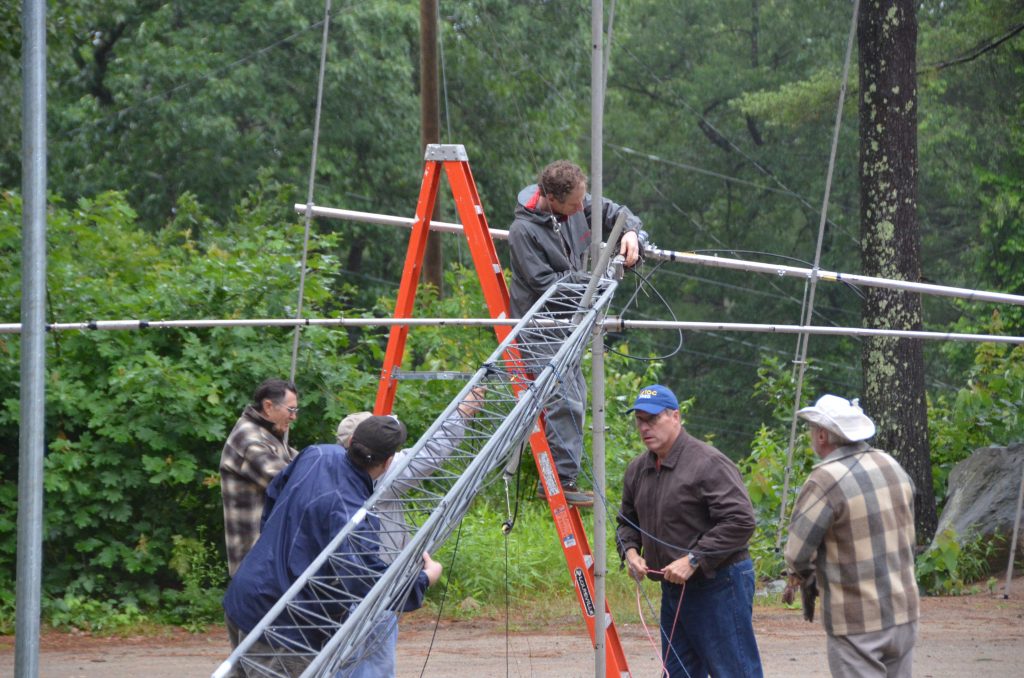
Falling Derrick Tower and Beams

We will have two towers with Tri-band Yagis for 20m, 15m and 10m and Inverted-V antennas for 80m/75m. We will be using triplexers and bandpass filters to allow the Tri-band Yagis to be shared across three transceivers as we did last year.

One tower will be used for CW operations as well as supporting the club’s 4 Element, 6m Yagi. The 6m Yagi will be rotatable. Jeff, WA1HCO and Tom, AB1NS have some cool plans for the 6m station this year which include Meteor Scatter and Es Contacts if we can catch openings on 6m. The CW tower will also have a 40m Inverted-V Antenna.

The other tower will be used to support the SSB/Digital stations on 75m, 20m, 15m, and 10m as well as an 11 Element Yagi for 70cm (more on this below).

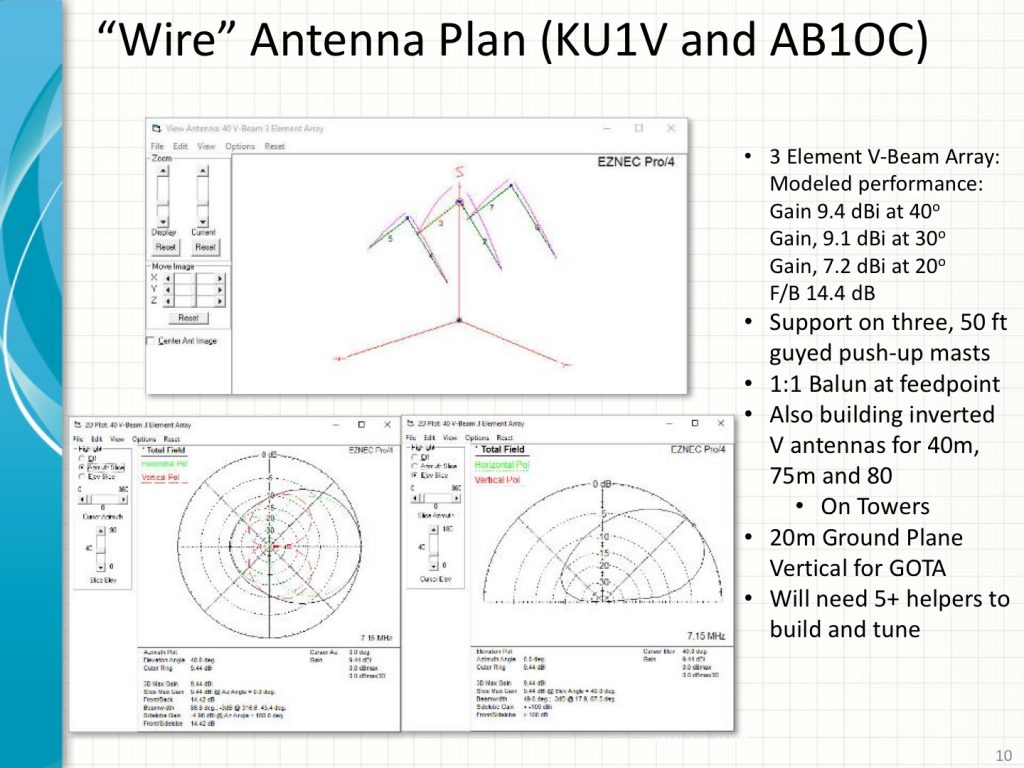
Field Day Planning - 40m 3 Element V-Beam
40m 3 Element V-Beam Plans

We are planning some new antenna and station projects for our 2016 Field Day operation. We are going to build a 3 Element, 40m V-Beam Array using three 50 ft guyed masts. This antenna should perform comparably to a 40m short 2 Element Yagi at 70 ft.

Digital ATV Demonstration on 70cm

We are also planning a Digital Fast Scan ATV link between our Field Day site and the Nashoba Valley Club’s site. This will allow us to send and receive Live Digital Video between the two sites on the 70cm band.

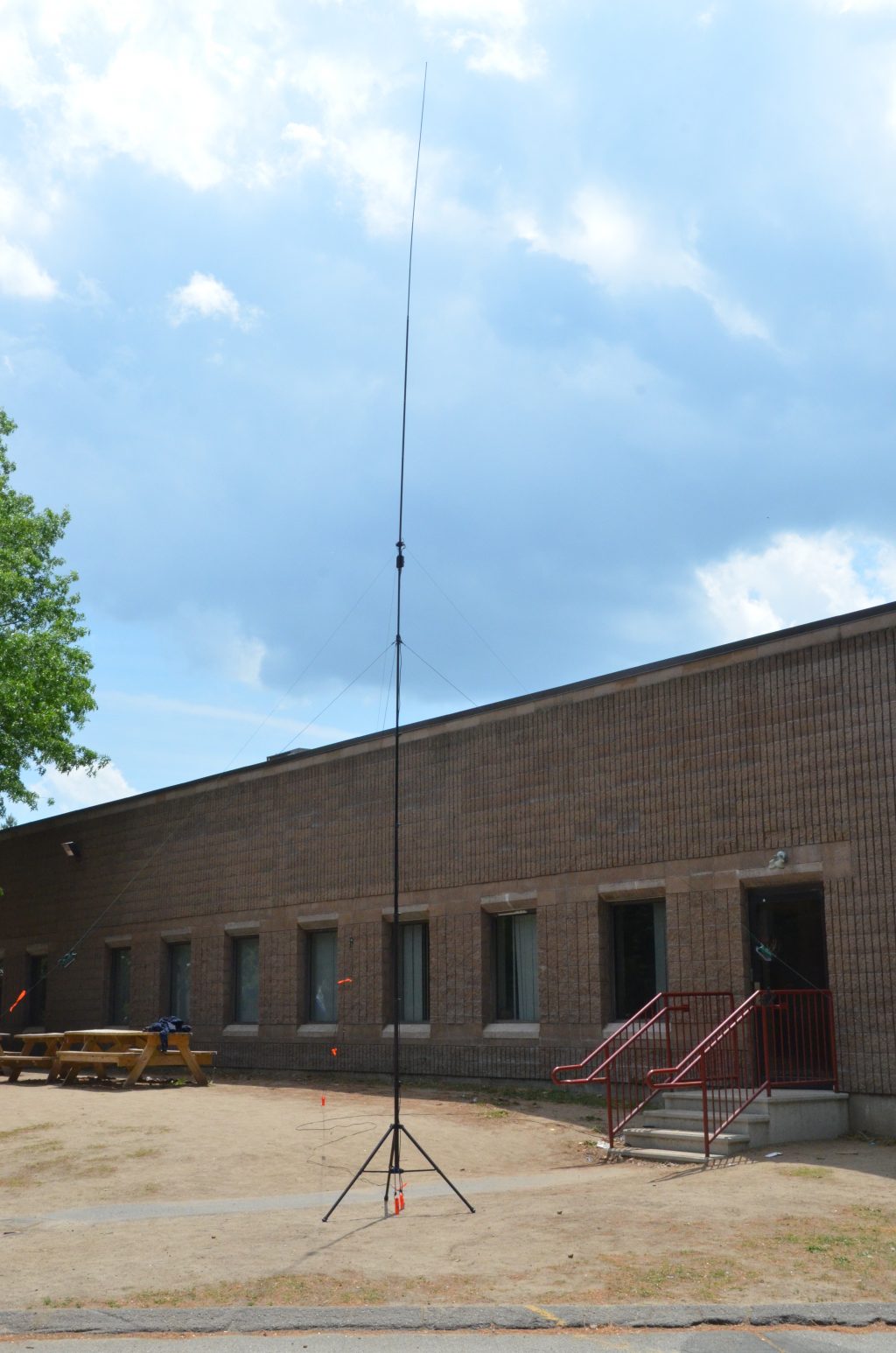
20m Buddipole Ground Plane Antenna for GOTA Station

Wayne, KB1HYL will be operating the GOTA Station again this year. We are going to put the GOTA station on 20m using a Ground Plane Vertical Antenna built from Buddipole Kit.

Club Meeting About Field Day Planning
Club Meeting About Field Day

Our Field Day Planning team is planning a great presentation on Field Day 2016 at our next Club Meeting on June 7th and our Tech Night on June 14th will be all about the Technical Side of Field Day – Building Antennas, Setting Towers and Stations, Loggers, Digital Modes and much more. Don’t miss these!

QRZ  Number  1  Field  Day ?

Fred (Field Day Incident Commander, N1FD)

Hashtags: #ARRL 

A Stealth Antenna Farm

Living in a community that expressly prohibits ham radio towers often means enduring constant frustration trying to work DX with wire antennas or a multi-band vertical with what is always an inadequate radial field (read: less than 200 radials) over the “worse soil in the world”. My mantra of “work ’em on all bands and all modes” that I pursued for many years from my NH QTH has morphed to “hope I can hear them and they can hear me”. My lot can support a 40-foot tower that would be great for a small beam like the Cycle 24 used during the World Radiosport Team Championship a couple of years ago. Unfortunately, I would never get past a permit for the tower base if I ever tried to put one up.

Ah, but there is hope. The frustrations wrought by CC&R limitations often bring out the ingenuity in hams. Thanks to Layne, AE1N, I visited the website of Jeff, AC0C (see AC0C.com). Jeff lived in a condo with the no-tower restrictions. He looked over the attic where he lived and set about figuring out how to build an array of beams using the roof support structure. In a triangular volume measuring 16 feet at the apex, 20 feet long, and 40 feet wide, he managed to cram in a 22-element array that covers 160 – 6 meters! A scan of Jeff’s website is a testament to a ham’s perseverance to build an antenna farm where common sense says you cannot. Jeff used the popular EZNEC modeling program developed and maintained by Roy, W7EL. The overall configuration of the project shown on Jeff’s website looks like the proverbial rat’s nest. Somewhere on his site he mentions using over 1000 feet of coax, hundreds of ferrite cores, dozens of relays, and numerous switching boards to select the desired antenna while holding the RFI beast at bay.

Intrigued by Jeff’s work, I decided to take a look at my garage attic and see what I could do. My attic measures about 17.5 feet long, 19 feet wide, and 5 feet at the center above the floor. There is usable space beyond the garage over the remainder of the house that runs to the back, providing more depth. Unfortunately, my attic runs N-S so that any fixed antenna would have to be situated to favor a pattern to the E/NE direction for DX. I studied Jeff’s design for his 2-element 40 meter Yagi and decided to scale it for 30 meters. Each element resembles an inverted-V with the lower half of the ends bent at right angles to run horizontally along the floor of the attic. The horizontal portions of each element run toward each other so that the antenna resembles a modified “bent” Moxon antenna. (The Moxon antenna owes its design to Les Moxon, G3XN (SK). It is a 2-element beam that resembles a rectangle, is easy to build, and is forgiving in dimensions for a given band.)

I modeled the antenna with a separation of 19 feet between the elements and inserted loading coils in the driven element to shorten them. The apex height of the antenna is only about 14 feet above the ground so I was not expecting spectacular gain in the primary direction (North). The resulting pattern resembled a low dipole with maximum gain of 4.5 dB North and South, dropping to 3.4 dB at 45 degrees. While this may seem respectable, it occurs for an elevation angle of 45 degrees which means it would not work very well for typical DX angles. Indeed, when I looked at the gain performance at 24 degrees elevation, I had less than a dB. (The astute DX’er will notice that good DX performance occurs for elevation angles of 15 – 20 degrees. When limited to a height of 14 feet, the gain profile at 15 degrees is over 8 dB down from its peak.) Figure 1 shows the layout of the antenna. I realized that I’d be better off with a 30-meter inverted-V dipole off the back of the house.

Stealth Antenna– 30-meter 2-element Attic Yagi
Figure 1 – 30-meter 2-element Attic Yagi

Not to be deterred, I then modeled a 17-meter 2-element beam using relays to disconnect the 30-meter element at its coils and inserting an inverted-V element between the 30-meter elements to act as a director for 17. Figure 2 shows the results where the driven element is on the right and the director is at the center.

Stealth Antenna – 17-meter & 30-meter Attic Yagis
Figure 2 – 17-meter & 30-meter Attic Yagis

The performance for 17 meters was similar to 30 meters with a modified dipole pattern. The gain was a little better at a 24-degree elevation angle but still less than 2 dB. Again, better to stay with my inverted-V that boasts a 3.8 dB gain toward NE.

While I pondered my next move, it occurred to me that what worked for Jeff might not be the best idea for me. All that coax and those ferrite cores pointed to a lot of blood, sweat, and tears to get rid of RFI gremlins that such close quarters tend to foster. I considered using relays to change bands by lengthening or shortening the antenna elements. However, this would mean control cable wires from the shack to the antennas, themselves inadvertent antennas when transmitting. There has to be a better way.

Then, the long-dormant light bulb in my head came on. Why not try a 2-element wire beam? I looked at a model for such a beam for 17 and 15 meters, 2 elements for each band on the same “boom” and each fed separately. The results showed 17 meters behaves as expected with a gain of 6.2 dBi and a F/B of 21.6 dB. However, the 15-meter portion had a peanut-shaped pattern that was reversed from the intended direction with a F/B of less than 5 dB. I adjusted the height of the 15-meter elements within the available limits but to no avail.

Now what? I looked at the Moxon design again for its space-saving feature to see if I could get more isolation between the beams. I pulled up the file for the 2-element 17-meter beam and another file for a 15-meter Moxon beam. I merged the two antennas and juggled the positions so that the Moxon was a foot above the wire beam. Figure 3 shows the EZNEC model.

Stealth Antenna – 17-meter Beam with 15-meter Moxon Above
Figure 3 – 17-meter Beam with 15-meter Moxon Above

Figure 4 shows the azimuth gain pattern for the 17-meter beam.

Stealth Antenna – 17-meter Beam Pattern (15-meter Moxon Above it)
Figure 4 – 17-meter Beam Pattern (15-meter Moxon Above it)

Changing antennas for the 15-meter Moxon antenna produces the pattern shown in Figure 5.

Stealth Antenna – 15-meter Moxon Gain Performance
Figure 5 – 15-meter Moxon Gain Performance

As the model plots suggest, both antennas have nearly identical performance. Success at last! At least on paper minus any interactions and interfering structures such as air conditioning ducts and electrical wiring. Installing two antennas with separate feeds is easy to control with a remote antenna switch. I avoided the need for relays to shorten elements on 17 meters in order to work on 15 meters. I did not want to use relays because of the prospect of RFI causing them to trip, and the need for extra wires from my shack plus ferrite cores for RFI suppression. Now on to the fun part – BUILD IT.

Radio Amateurs Developing Skills Worldwide