Category Archives: Newsletter

Nashua Area Radio Society Newsletter Articles. You can find an archive of our Newsletters on our website.

ISS Crew Contact Part 1 – Ground Station Design and Construction

Our planned ISS Crew Contact is almost here! It will take place sometime during the first week of December (December 3rd – 8th) and we are busy finalizing our Ground Station and preparing for our contact. The link below is the first in a series of articles that are planned to describe steps in this project and the actual contact experience. The first article explains the Design, Construction, and Testing of the two Ground Stations that are required as well as plans for connecting them to the Audio-Video and Data systems at the school.

Source: ISS Crew Contact Part 1 – Ground Station Design and Construction

Fred, AB1OC

Winter Field Day 2019

Winter Field Day 2019
When: January 25th for setup, and January 26-27 on the air
Where: Milford, NH
Contact: Craig Bailey, N1SFT

A QST to all NARS Members!

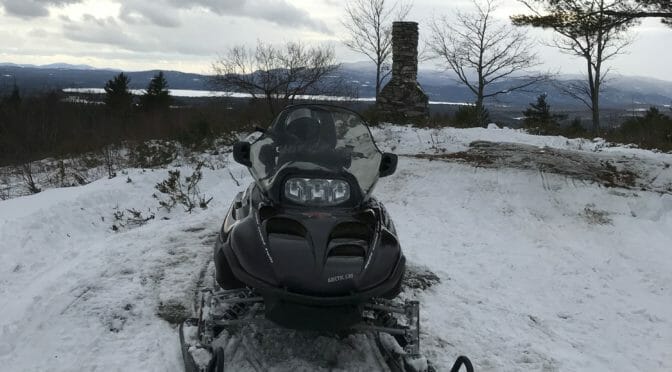
Ole’ man winter is right around the corner, and during winter, most hams tend to stick to the shack… BUT NOT THIS WINTER!    It is common knowledge that the winter doldrums are easily beat if you just get outside and get some fresh air.  The title picture (to grab your attention) of the Arctic Cat was taken while N1SFT was activating the “Chimney” in Freedom NH, last winter – it just proves that Ham radio often intersects with many other hobbies!

While we don’t anticipate the need for snowmobiles, the Nashua Area Radio Society is going to participate in Winter Field Day.

All members of NARS are asked to come out and participate – and don’t forget your sense of adventure!  Here’s the plan:

  • The last full weekend of January 2019.
    • Setup on Friday the 25th, and a 24-hour activation starting Saturday at 2 pm Eastern.
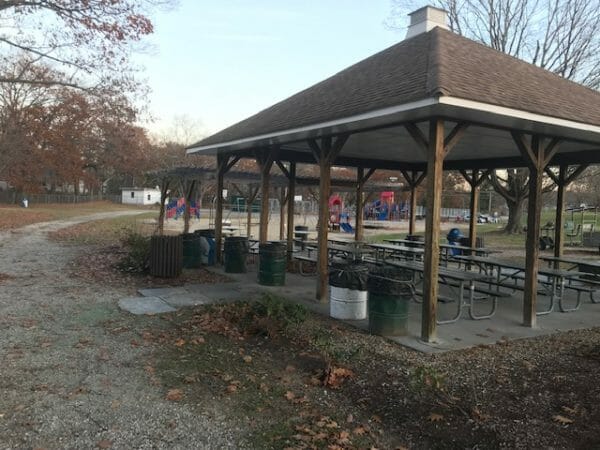
  • We have secured the use of Keyes Memorial Field in Milford NH. Click here for a Google map.  At Keyes Memorial, there is a 25’ x 25’ pavilion that we will be activating as N1FD. (See the pic below)
  • What Bands: 10m, 15m, 20m, 40m, 80m, and 160m. Plus VHF 6m, 2m, and UHF!
  • What modes: Sideband Phone, FM Phone, CW, and Digital, with Satellite coms!
  • Who: ALL MEMBERS are encouraged to come out and lend a hand, and do some operating!
  • Your planning team:
    • Craig Bailey, N1SFT & Jerry Doty, K1OKC – co-chairs
    • Charlie Dunn, W1CBD – Scoring chair
    • Fred Kemmerer, AB1OC – Wire Antennas
    • Dave Merchant, K1DLM – Computing & logging
    • Hamilton Stewart, K1HMS – Tower Master
    • Mike Ryan, K1WVO – CW Ops wrangler
  • Who else we need: Currently, we are looking for someone to assist with:
    • A person to guide setting up and running the “camp”, including the tarps and heaters, refreshments, and general lighting
    • A person to assist with power planning (generators, fueling, etc.)

We need some help with some items that we don’t generally need to worry about during field day… for example – the anchor rods will be driven into the frozen ground, and stringing up a wall system to block the wind and cold are just two challenges that we need to overcome.  If you are able to help us devise an extraction tool, please contact us.

The activation is intended for all club members to come and get some seat time, and there will be plenty of opportunities: we intend to have on the air at all times at least (5) stations, and the op will have their choice of modes to operate: phone, CW, or Digital.   We will be running under the N1FD call sign, which means all club members regardless of license class are welcome to come and operate on all the bands.

Winter Field Day is a contest, but it is more than just a contest; its something different, it’s a “back to basics” activation… sort of a field-day-lite.  Not to mention its during the winter – which is fun.   We Amateur operators are lucky to have so much spectrum to use while we burn up the ether, and part of that privilege is the ability to mobilize and assist in local, regional, and even global communications when called upon.  Testing ourselves and our equipment shouldn’t happen just during the summer!

Thank you very much!

Please email Craig Bailey as soon as possible to sign up for the part you want to play.

For more official information regarding Winter Field Day, please visit the official sponsor: The Winter Field Day Association.

The Pavillion to be activated

Keyes Memorial Field Pavillion

Craig, N1SFT

Homebrew ADS-B antenna for airplane tracking

Flight Tracking

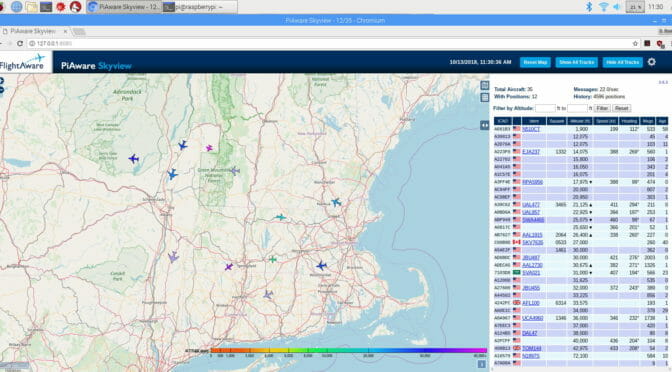
December will bring Thomas Kavanaugh, KC1ELF, for a presentation on Plane Tracking with ADS-B. This is something you can do in your own shack for very little cost if you’re willing to do a little work. Mr. Kavanaugh will provide us with a great overview in December’s General Meeting, and I’ll follow that up with a Tech Night RTL-SDR Workshop where we’ll make, among other things, a software defined radio to receive ADS-B signals.

In this article I’m going to show you how to make an antenna for ADS-B using just a little coax with a BNC connector, a bottle cap, a little wire, and a hot glue gun.

Designing an antenna for 1090 MHz

ADS-B is transmitted on 1090 MHz. For most of us, that frequency range is outside our experience. Fear not. Everything you know about making a dipole still works for this. The frequency is 1080 MHz so the length of each side of the dipole should be 234/1080 = 0.217 feet, or 2.6 inches. Not very big!

An antenna that small needs to have something solid to hold it to the coax. Below is my solution. I cut two wires to a little more than 2-1/2 inches in length. Then I took a plastic bottle cap and drilled holes for coax through the top and the two wires on the side. Figure 1 below shows this partially assembled.
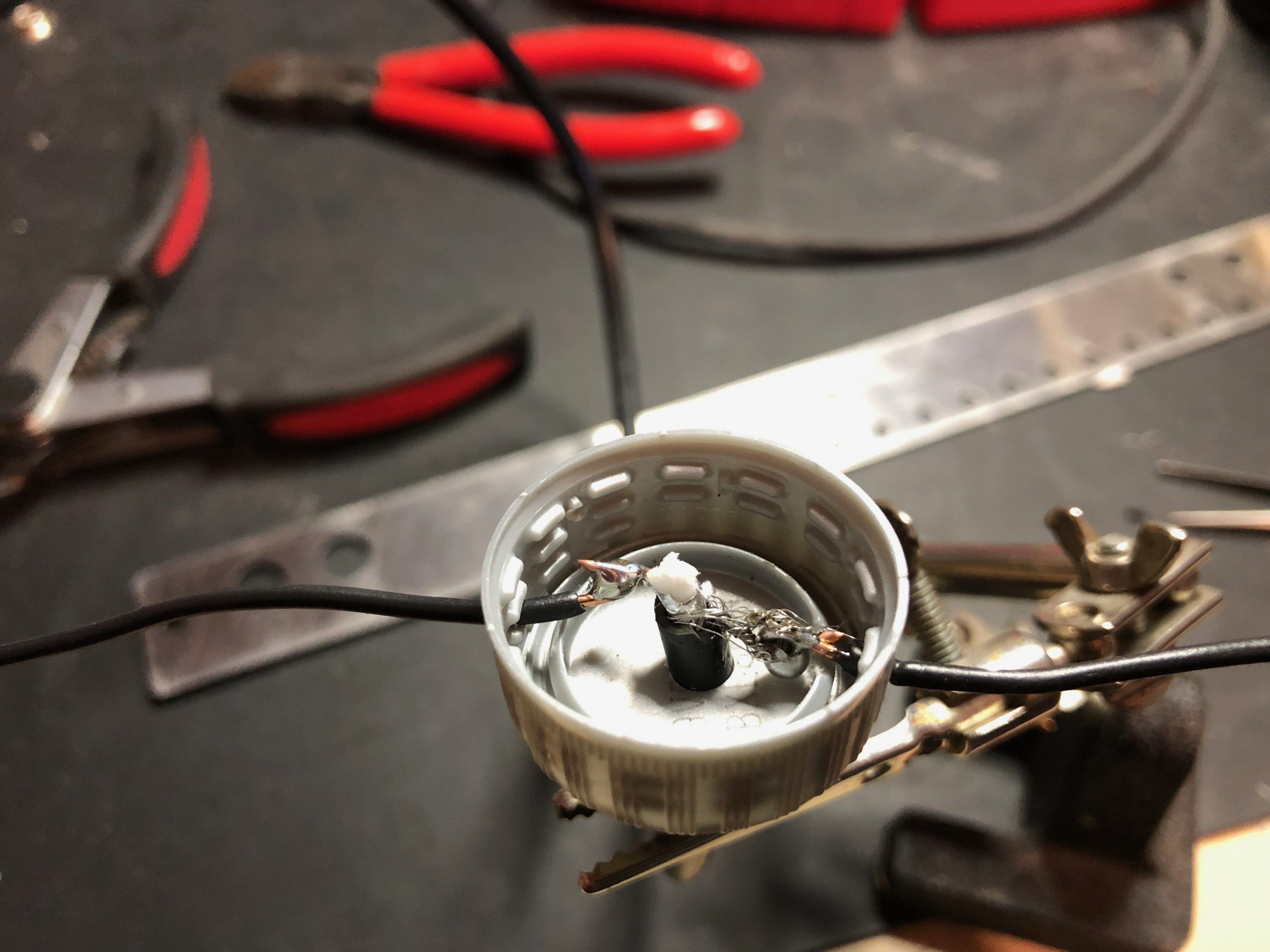
Figure 1. Coax to dipole wire connections.

I began with a short coax jumper fitted with two male BNC connectors. I just cut one of the connectors off and fed the bare end through the top of the bottle cap. Then I soldered the short wires to the center conductor and braid of the coax. It was a tight fit in there, and the braid of this coax really didn’t like to be soldered, but the final connection was good enough to proceed.

Finally, we want to fix all these connection into something solid. For that I used a hot glue gun to partially fill the bottle cap. This is shown in Figure 2 below.
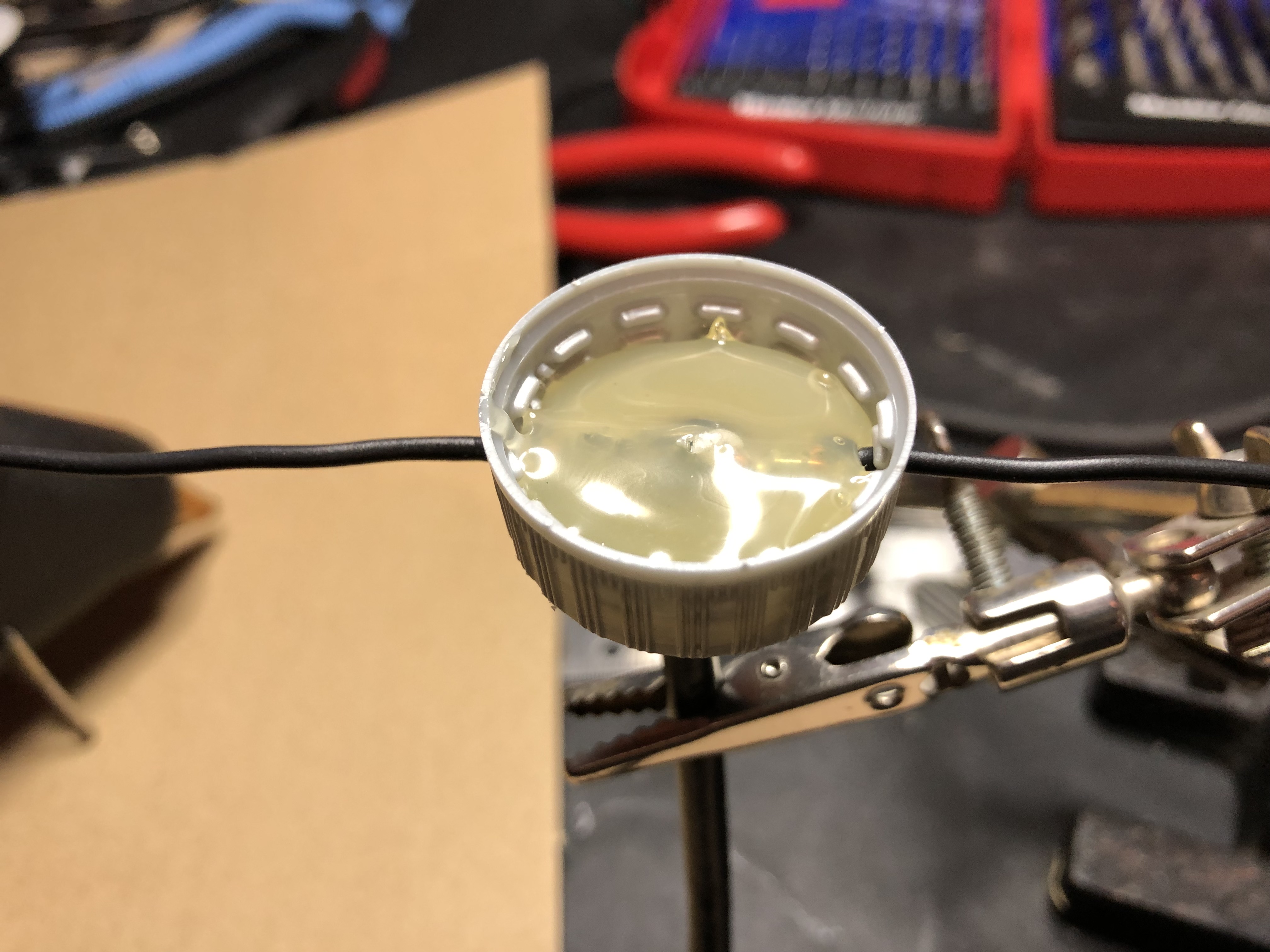
Figure 2. Connections potted with hot glue

Installing the antenna

ADS-B transmissions are vertically polarized so it is important to hang the dipole with the elements in a vertical orientation. Here’s an earlier prototype of mine hanging in my attic. Just a single brass hook (and a zip tie) was all it took to get the antenna installed. See Figure 3.
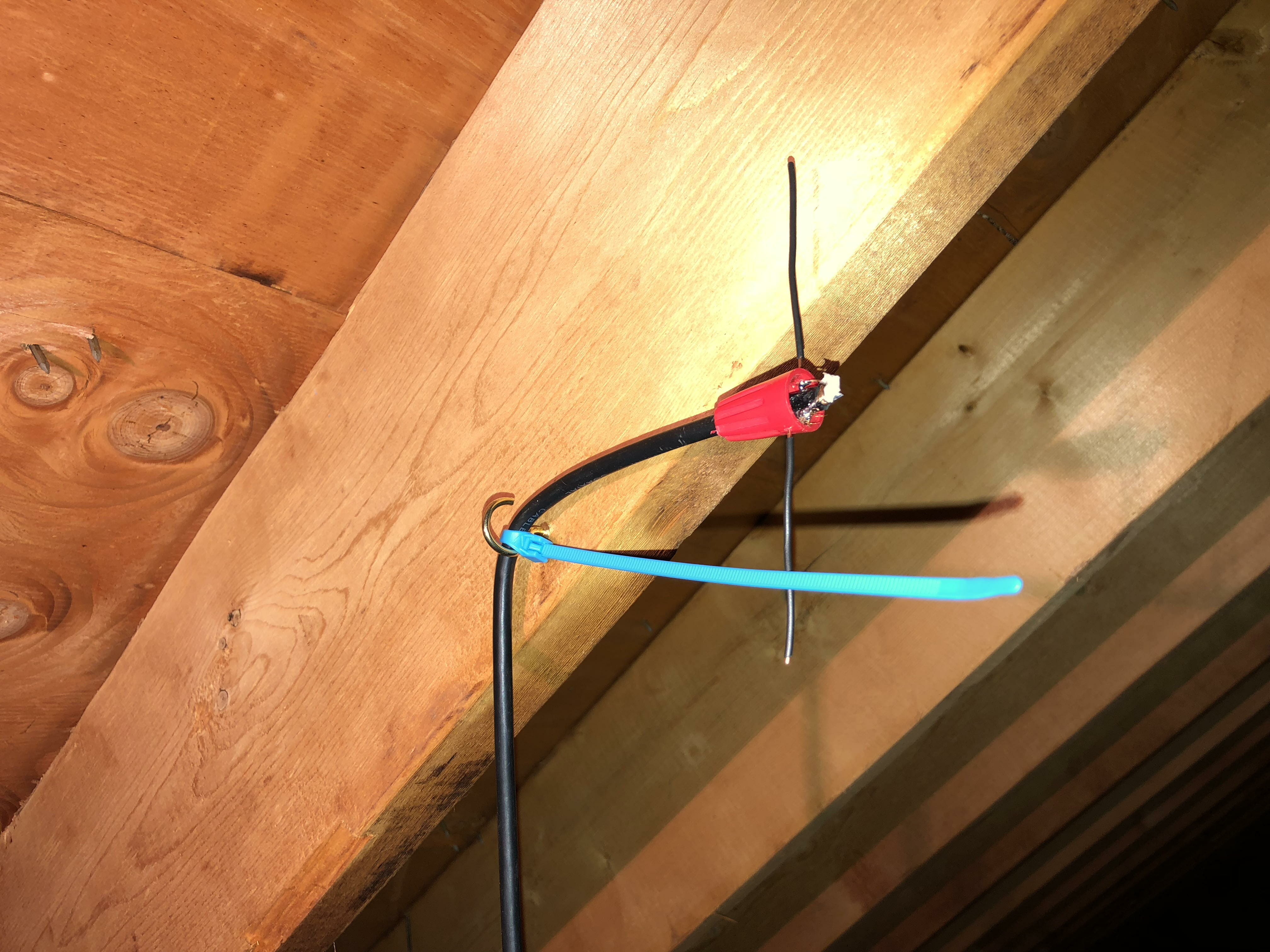
Figure 3. Installing the antenna for vertical polarization.

Looking Ahead

I’ll be doing an article on building a Raspberry Pi computer capable of doing flight tracking later this month. It will need an antenna like this to work, though, so here’s your chance to do your homework early!

Radio Amateurs Developing Skills Worldwide