Category Archives: Member Spotlights

Our Member Spotlights contains articles about the Amateur Radio interests and background of Nashua Area Radio Society Members.

Member Spotlight, Tony AA3HD

Greetings.  I’m Tony Baker AA3HD, and I’m relatively new to the amateur radio world, just getting my Technician’s license in August of 2019.  Getting an amateur radio license was something I had been wanting to do for a long time but hadn’t gotten around to it for one main reason…my employer of over 35 years did not allow it.  One security restriction in working for the Central Intelligence Agency is that you cannot have an amateur radio license.  (Perhaps this standard prohibition has been dropped or relaxed today.)

From a very young age, I remember always being interested in two-way radios.  I think it was around the 7th grade that a friend of our family – “uncle” Bill – bought me a Knight 2-channel walkie-talkie kit.  Uncle Bill helped me put the two kits together, teaching me how to solder, and me learning what the different parts, like resistors, looked like, and the importance of ensuring polarity was correct, etc.  I remember having so much fun with my friends with those crystal-controlled radios after I got them together and the satisfaction of building them.

At age 20 I went to work for the CIA.  It’s been nine years since I retired.  Because of my employment restrictions, I did what I could do and got into citizens’ band radio.  Probably a lot of us hams were into or dabbled in CB radio at one time.  As a matter of fact, about two years ago I got out one of my old CB’s – an E.F. Johnson 40-channel SSB unit – and hooked it up in my truck, and, it worked!!!  But it wasn’t like the good old days of the mid- to late 1970s when every CB channel was very active, and you could talk skip in a heartbeat.  It seemed all the channels were silent.  My old CB call sign was KHK-7098.  Children and wives, (I’ve been divorced twice), forced me to change my priorities, and I eventually was unable to devote any time at all to my CB radio hobby.

Fast forward to last summer.  (As background, I went to elementary school in Deer Isle, Maine, and have been going there for summers my entire life.  Some of my relatives still live on Little Deer Isle, and my family still has a seasonal house on Little Deer Isle as well.)  For whatever reason, this past summer I started reminiscing about how great the skip on CB was back in the day from Little Deer Isle, but how silent all the channels were now.  I wondered to myself; why not get your amateur radio license now?  After some research, I discovered you no longer needed to learn Morse code to pass the test.  At that point, I decided to get my Technician’s ticket.  With some more research, I found out about a two-day licensing class in Natick, MA, and after completing the course, passed the Tech test.  Two weeks later I took and passed the General test, and two weeks after that, on September 7th in Boxboro at the HamXposition, I passed the Extra test.  That said, I was probably the only Extra who hadn’t even made a transmission, not to mention that I didn’t have a radio either!!

Boxboro was an exciting time for me.  It was here that I got exposed to some real hams, and some real radios, both new and old making and receiving transmissions.  It also was in Boxboro that I first became exposed to the Nashua Area Radio Society, soaking up all the displays, taking the HAM Bootcamp course, and learning that NARS was ARRL’s choice for the best ham radio club for 2019.  It also was at Boxboro that I decided to go to a NARS membership meeting and join if I liked what I saw.  I realized that by living in Wells, Maine I wouldn’t exactly be close, but I couldn’t find any ham clubs in Maine that were nearly as diverse, active, or successful as NARS.  Between Boxboro and attending my first NARS meeting in October, I bought two radios, the first being a Xiegu G90 HF, and the other an Anytone 868 dual-band DMR ht.  I had also applied for a vanity call sign.

At that first NARS meeting, I was hoping to meet some Elmers, as I had still not made an amateur radio transmission and was hoping I could get some help getting on the air.  It was at this meeting that I was introduced to NE1B – Bill Barber.  He agreed to help me with my DMR radio and get me on the air.  That Friday – October 4th – I went to Bill’s house.  Bill is a well-seasoned ham with quite a radio shack and impressive awards to prove it.  It was also the day I received my vanity call sign – AA3HD.  I never made a call with my originally assigned call sign of KC1LUN.  Bill helped me get my DMR radio up and programmed.  At about 2:30 pm that day I made my first transmission.  It was with Bill as I was driving away from his house.  Not very far, but what a thrill.  After literally decades of wanting to be a ham, I finally made it!

In Boxboro I also saw the instructor that helped me get my Tech license – K5TEC, Bob Phinney.  When I told him I had just passed my Extra exam, he encouraged me to become a Volunteer Examiner.  When AB1QB, Anita Kemmerer, made an appeal for VE’s at that first NARS meeting I attended in October, I decided to try to get my VE certification.  In mid-November, I became a VE, and have, as my schedule permits, helped out at NARS VE sessions.  How rewarding it is to see new hams and those getting upgrades to fulfill their dreams.  Besides joining NARS, I also am an ARRL Life Member.

At the NARS holiday party, I got a Baofeng ht in the gift swap.  I also have a Zumspot hotspot, and a Mirage VHF/UHF amplifier, all that I need to get up and running, and I still have to get my HF rig hooked up as well.  Antenna limitations imposed by XYL have made my beginning ham journey challenging to say the least, besides the fact that in terms of amateur radio she says, “I couldn’t imagine something that I would be less interested in.”  Right now I have my portable DMR radio working in both my truck and at home.  My base antenna is a portable dual-band J-pole type (DBJ-2) that I purchased at Fall 2019 NEARFest.  (A review of this antenna is in the March 2007 issue of QST.)  In the mobile, I’m using a Diamond NR770HNMO antenna.  I have plenty to figure out and explore, and I am finding amateur radio just as exciting as I always imagined it would be.

Other interests of mine include cars and motorcycles, but that will have to wait for another time.

73,

Tony, AA3HD
Member Spotlight: Rick Boswell, K8EZB

I recently returned to amateur radio after an absence of 50+ years. My interest in amateur radio began around age 8 or 9 as a result of encouragement by my father who had been a ham earlier in his life but had been inactive for some time. He brought home a military surplus receiver covering the ham bands and gave it to me to “play” with. He later obtained a set of WWII Army 78 rpm code practice records and helped me build a crude code practice set using a junk box transformer, a door buzzer, and a straight key fashioned from a metal strip cut from a coffee can. First licensed as a Novice in 1957 and upgraded to General a year later. General reinstated May 2017 and original call sign K8EZB reissued as a vanity call sign; Amateur Extra as of December 2017. Current amateur radio interests include software-defined radio technology and vintage HF SSB equipment, mainly Collins and E.F. Johnson.

First QSO as a Novice utilized a homebrew one-tube xtal oscillator built on a piece of Masonite and a borrowed WWII German (Siemens) military receiver. The transmitter power supply was constructed with parts salvaged from discarded broadcast receivers picked from the neighborhood trash. My only xtal was in the 80m Novice band; antenna was a 15m dipole because that’s what I had! Worked a station in Michigan from my Cleveland, OH QTH – DX as far as I was concerned, and QRP (by necessity) long before it became trendy. Moved on to a Heathkit DX-35, Johnson VFO, and a National HRO receiver which was ancient even then. The final station before life intervened was a Collins 75A-1 and a Johnson Ranger.

While in high school, I became interested in an aviation career, but soon found my uncorrected vision wouldn’t cut it with the military or airlines. For this and other reasons, I chose a career in technology (with this choice strongly influenced by my amateur radio experience), went on to complete a Ph.D. in computer engineering at Case Western Reserve University, and began flying as an avocation while in graduate school. While working on the Ph.D., I was invited by my faculty advisor to join a new company he was starting. Up to that point, I had assumed I would follow my graduate school colleagues to Bell Labs – seemed like everyone in my department was going to Bell Labs – to pursue a career in industrial R&D. However, a taste of the entrepreneurial life changed my direction in a major way. Finishing my degree, I had an offer in one hand to join a computer architecture group at Bell Labs, and an offer in the other hand to join a small Cleveland company doing innovative work in point-of-transaction systems as VP Engineering. I chose the entrepreneurial route and never looked back. Along the way, I took time off to do an MBA at Harvard. This led to a progression of senior-level jobs in marketing and general management in technology companies, including President/CEO of the E. F. Johnson Company of Waseca, MN.

EFJ, a well-known manufacturer of amateur radio and CB gear until the early seventies, left these markets well before I joined the Company. We were focused mainly on land mobile radio and cellular during my tenure there. In addition to developing and marketing the LTR family of land mobile products, we did cell site radios and subscriber equipment for AT&T AMPS (first cellular service in the U.S.) and air and ground radios for the Airfone in-flight phone service under contract to Airfone, as well as continuing the legacy components business (connectors, tube sockets, variable capacitors, etc) which was the basis on which EFJ was started in 1923. Edgar Johnson (founder) was still living but was retired when I was at EFJ and we had some spirited conversations. While no longer active on a day-to-day basis, he continued in an informal role of an elder statesman. After multiple reincarnations in more recent years, EFJ continues today as part of JVCKenwood and no longer has a presence in Waseca, MN.

The most recent 25 years of my career have been as a founding partner (now partner emeritus) in a venture capital firm investing primarily in startup companies in Silicon Valley and New England. I worked from an office on Sand Hill Road, Menlo Park, CA (the heart of Silicon Valley) for much of the nineties, and later moved to the metro Boston area to establish an East Coast office for the firm. Over my time with the firm, we invested in several hundred early-stage companies in the areas of technology (telecommunications and computing), healthcare, and consumer products and services.

Active general aviation pilot since 1966; FAA Commercial Pilot certificate with Airplane, Helicopter, Glider and Instrument ratings, Douglas DC-3/C-47 type rating. Currently flying an Enstrom 480B helicopter. The 480B is a derivative of the TH-28 design which Enstrom developed in the early 1990s in response to an Army RFP for a new training helicopter. After losing this competition to Bell Helicopter,  Enstrom civilianized the TH-28 to create the 480B while retaining much of the military required robustness of the TH-28 design. The 480B seats five and is powered by a 420 HP Rolls Royce turbine engine. There are now several hundred 480s in service around the world, including as training aircraft with several foreign militaries. Dean Kamen, a well known local entrepreneur, owns two 480s, and at one time owned the  Enstrom Helicopter Corporation, as did note attorney F. Lee Bailey.

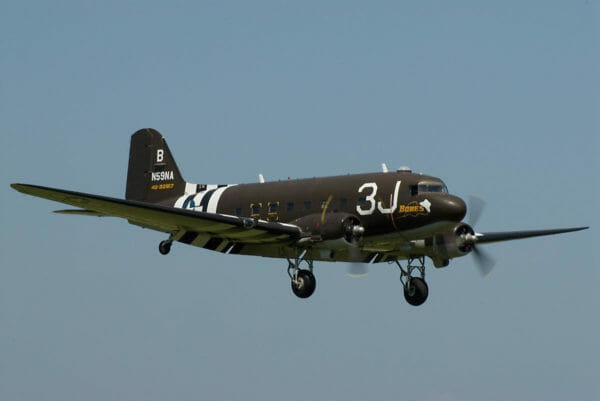
Shown below is the aircraft in which I did a DC-3/C-47 type rating, and it has a remarkable history.  Flying this legendary aircraft was quite a thrill. After several recent changes in ownership, this aircraft is now based in Europe, is still flying, but is no longer painted in the military colors shown here.  (A type rating is an aircraft type-specific FAA  credential required to pilot an aircraft with a gross weight above 12,500 lbs. Obtaining this rating requires a pilot to complete a rigorous oral exam and flight test covering all phases of operation, administered by an FAA representative. My flight test included an unanticipated ILS approach to  minimums in an unforecasted Spring snow squall – talk about pressure!)

Douglas DC-3/C-47 N59NA

Recently back on the air with an IC-7300 and IC-7610 (the SDR segment of my interests) and have discovered FT8, PSK31, and RTTY; with a newly erected multiband long wire I am having great success with these modes, working more DX in a few hours OTA than in my entire previous amateur radio experience.

Primary TX/RX: IC-7610/IC-7300/A1200S/04AT
Other TX/RX: FT-1000D/FT-1000MP/32S-3/30L-1/Pacemaker/Thunderbolt/Valiant II+SSB Adapter/Invader 200/75A-4/75S-3B
Antenna: MyAntennas EFHW-8010-HP long wire at 15 ft in horizontal “L” configuration
Software: DX Lab Suite, HDSDR, WSJT-X, JTAlert, PSK Reporter, WSPR
Other Equipment: TelePost LP-700, Heil PR-40, assorted vintage, and modern test gear
Memberships: ARRL, Nashua Area Radio Society (NH), Order of the Johnson Viking

Rick, K8EZB

Meet KE1NZY, 10-Year Old Amateur Extra

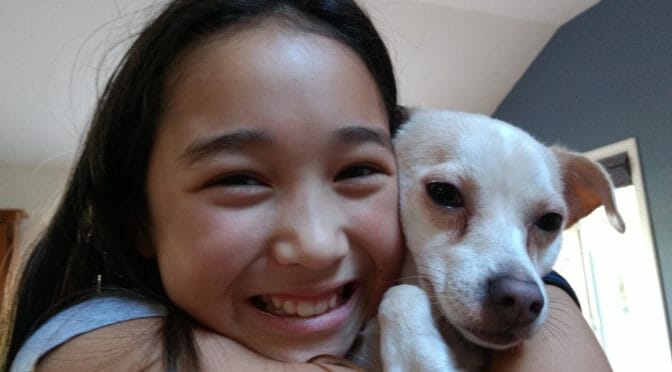
On Sunday, December 2, 2018, at around 4:30 pm, Mackenzie Pooler (KE1NZY), a ten-year-old from Hudson, NH, turned in her Amateur Extra Exam to be graded by the VE team at the Nashua Area Radio Society’s testing session held at the Dartmouth Hitchcock campus in Nashua, NH.  Only a year and a half before, you could have asked Mackenzie about amateur radio and she wouldn’t have been able to tell you the terms “diode,” “capacitor,” or “susceptance” meant, or any rules or regulations surrounding the FCC use of the amateur airwaves.  In that short amount of time, Mackenzie’s passion for amateur radio and all that it entails was ignited to a point that she became inspired to pursue the highest licensing offered to an amateur.

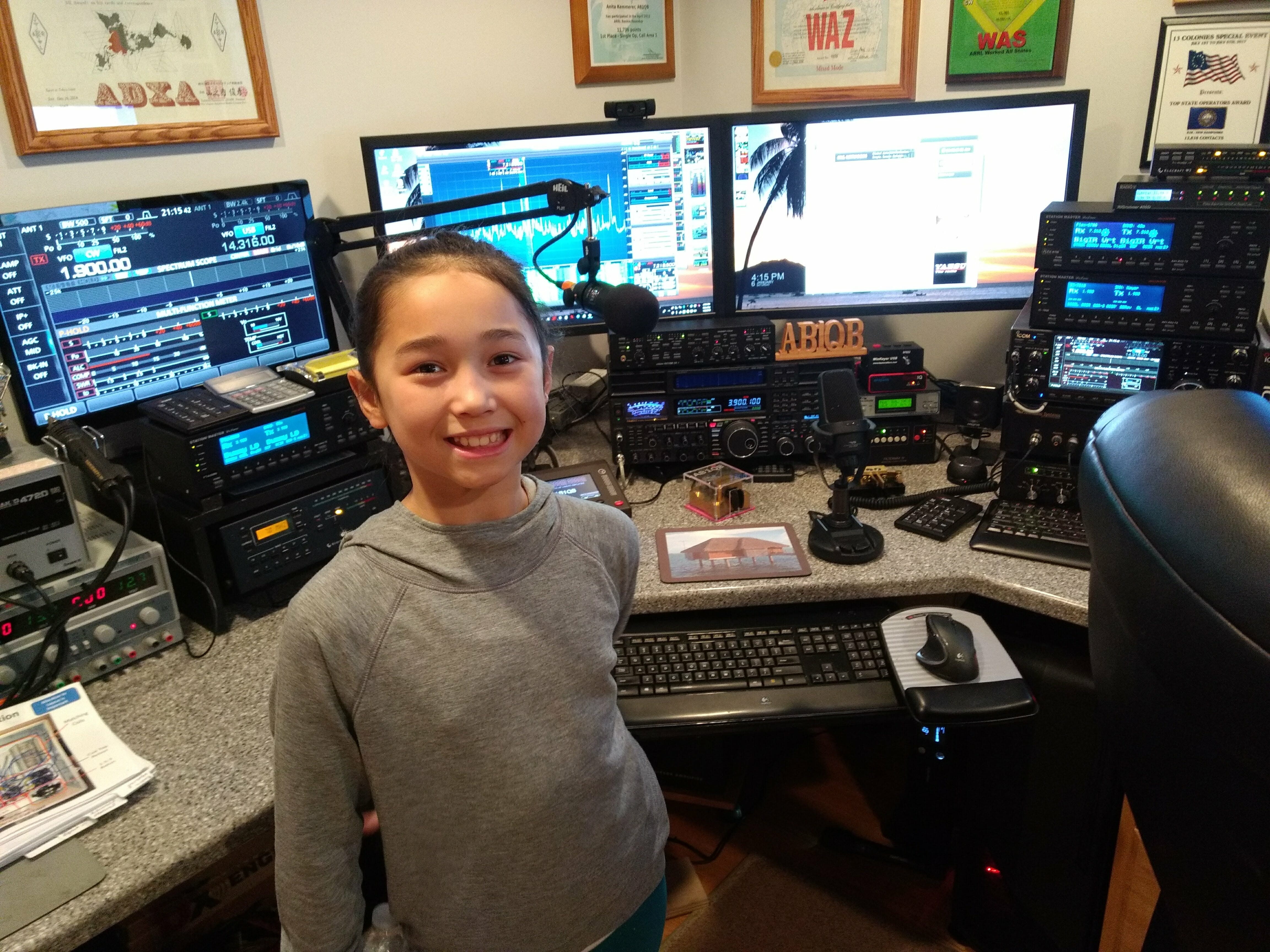
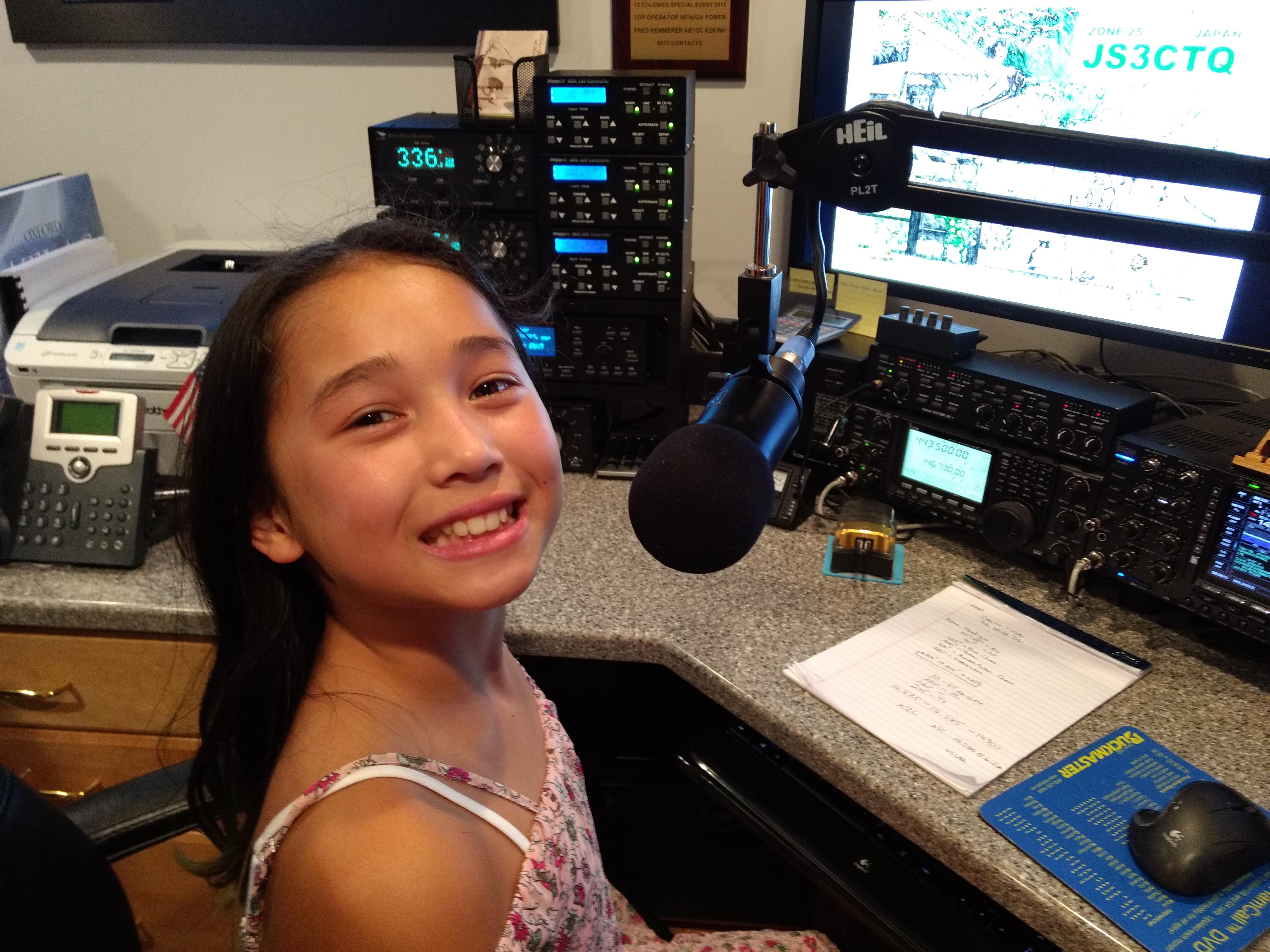
Mackenzie or Kenzie as most in the amateur radio world know her, became interested in Amateur Radio because of my own pursuit of learning about Ham Radio as I prepared for the Hudson Memorial School ARISS contact.  I studied for and passed all three levels of licensing in a two month period of time.  As she saw my interest and excitement around amateur radio grow, she too became interested in getting licensed.  Throughout 2018 she tagged along as we attended Kids Day on the radio at AB1OC and AB1QB’s QTH.  While Kenzie did not want to talk on the radio, she became interested in both Morse Code and Fox Hunting at the event.

KE1NZY

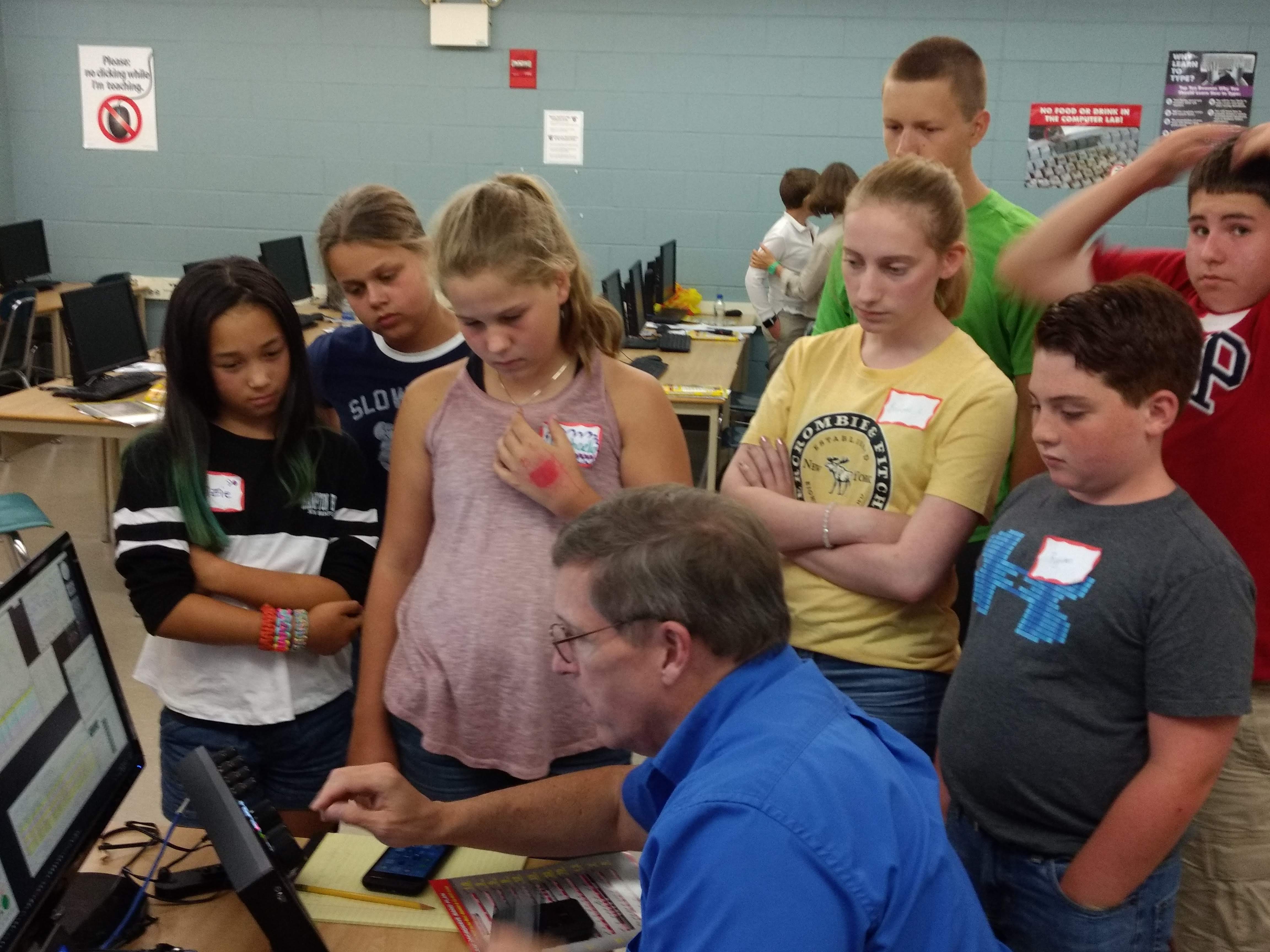
The Nashua Area Radio Society came to the Hudson Memorial School STEM Night on March 14, 2018, and Kenzie joined in on the fun.  She came to the night to play math games with friends and family.  By the end of the night, she was playing with the Morse Code Tutor kits and watching videos on Fox Hunting.  Kenzie sat at the NARS table for over half an hour.  At that point, she knew she wanted to pursue a Technician level license.  Her opportunity to pursue her first license came shortly after the STEM Night when HMS and NARS announced that they would be offering their first student class one week in July.  Mackenzie got a copy of the Technician Level class and began reading and studying the material.

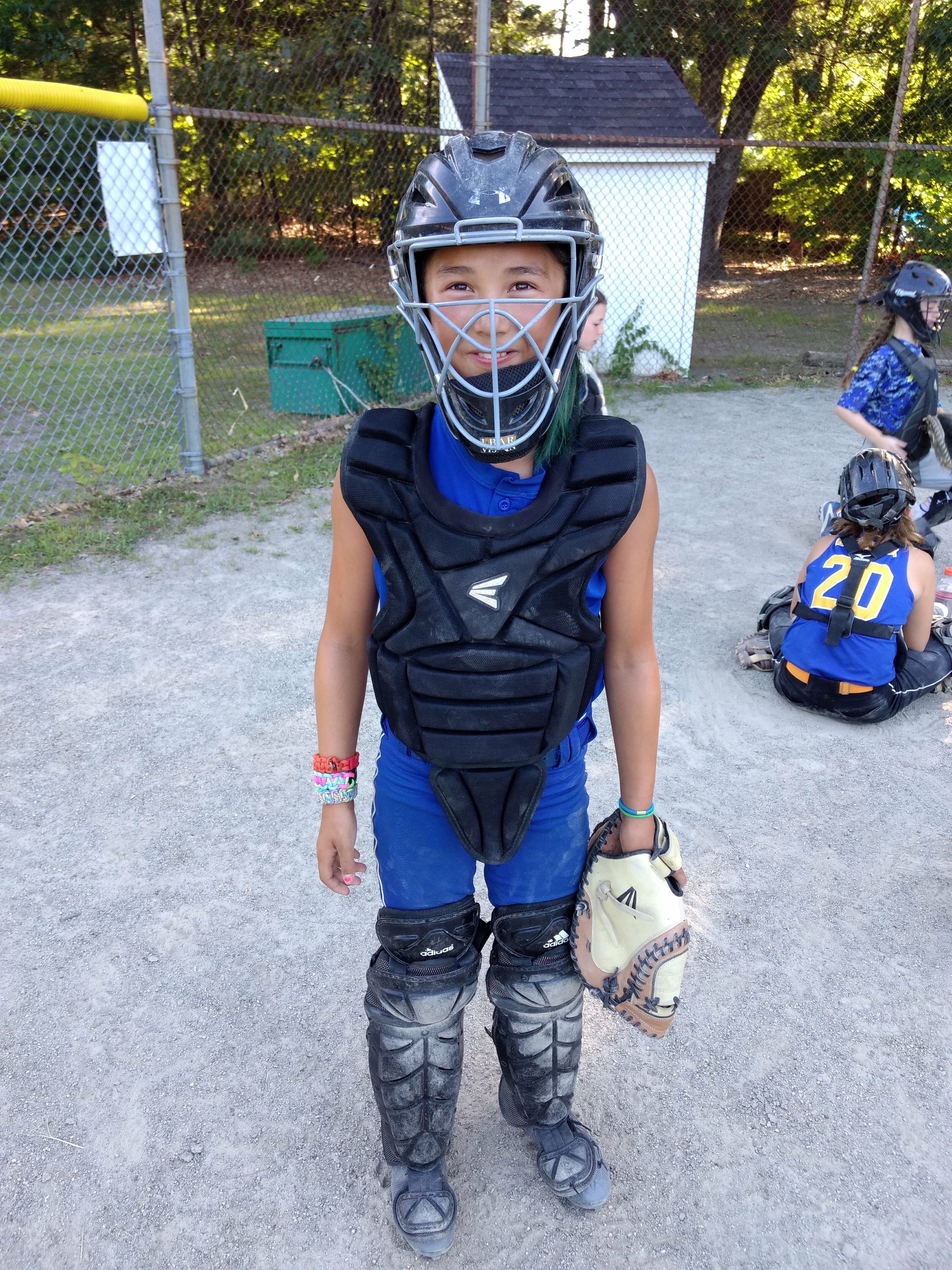
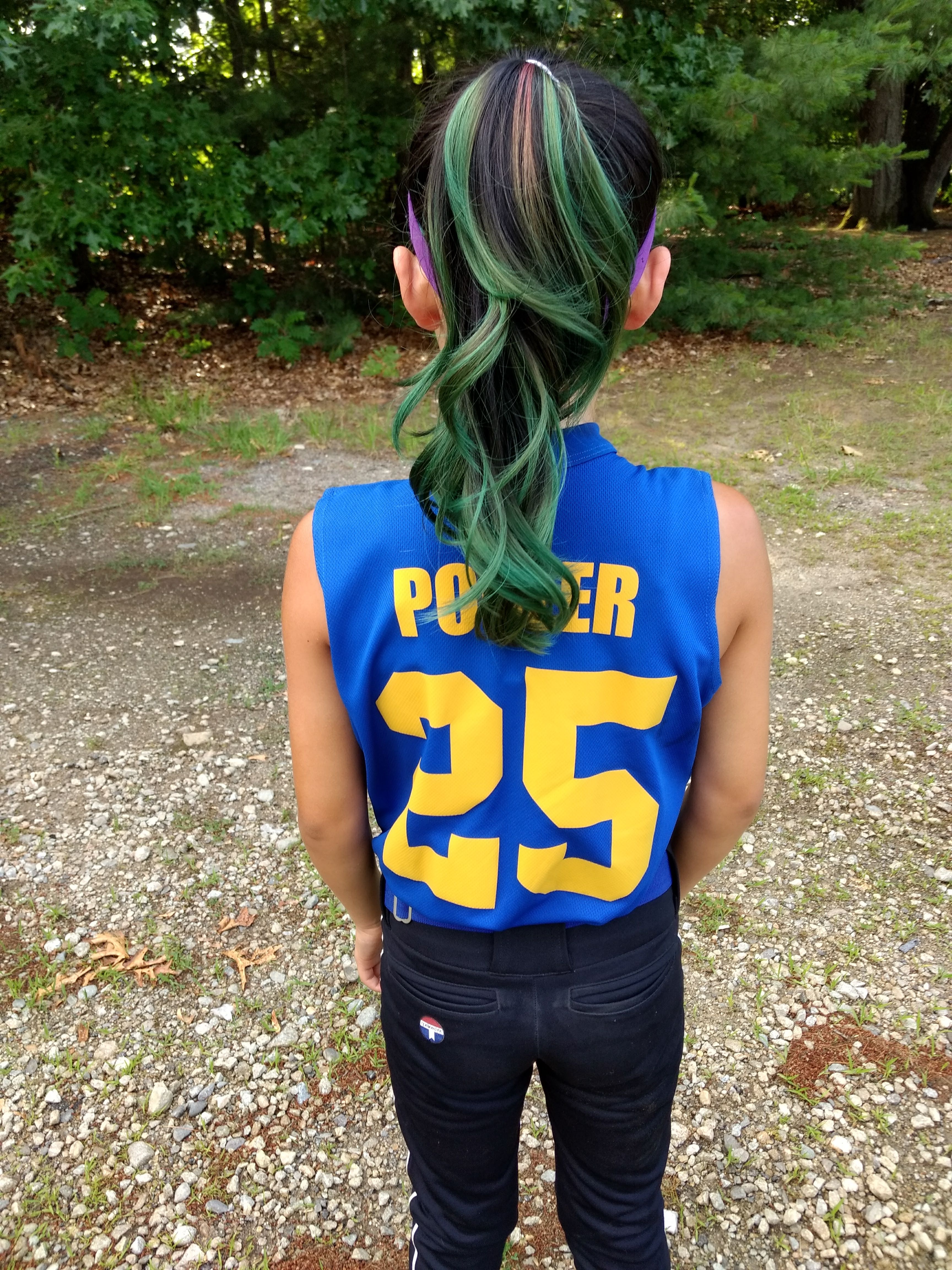
The spring came and Mackenzie became invested in her other passion, softball.  Mackenzie worked hard to become her team’s number two pitcher.  The team had several weekends of tournaments that did not allow Kenzie to do much with amateur radio.  The Nashua Area Radio Society held their Annual Field Day at Hudson Memorial School the same weekend at the Softball State Tournament.  Even though the weekend was filled with games, Kenzie made sure we had time to stop by the field to see what was going on.  Kenzie looked at all the antennas and equipment in amazement.  She talked with many of the operators to understand what they were doing.  Even though she did not have much time to spend with amateur radio during that weekend, she continued to study for the course.

KE1NZY KE1NZY

July quickly came around and twelve students and educators sat through four days of Technician class material.  Kenzie sat and listened to the material while finding ways to study.  She enjoyed numerous demonstrations with the GOTA remote station, Fox Hunting, Morse Code activities, Antenna building, and more.  Mackenzie was fully invested in learning how to do everything that the course had to offer.  She spent nights practicing for the exam on a phone app and returned each day ready to go.  At the end of the course, Mackenzie took her exam and found out that she passed.  At that point, she was excited but really had no intention of getting any higher level license.  She could Fox Hunt and play around with Morse Code, which is really what she wanted to do.  She could even get a vanity call that mimicked her name; KE1NZY could be hers.  It wasn’t until months later that her interest in a higher license would be realized.

KE1NZY

In August, Mackenzie partook in her first RTTY Rookie Roundup.  Using the club call sign, she was able to operate in all areas of the bands with no restrictions.  She quickly took to digital operation as she didn’t have to say anything over the air to the other operators.  Being a child of the digital age, it was second nature to use the computer to make contact.  She became a pro at decoding call signs and her excitement grew.  After that day, Mackenzie decided that she wanted to pursue her General License.  Knowing that digital areas of operation of the bands allowed complete access to people with a General Level license gave her the internal drive to study the material.  From August to the first week of October, Mackenzie studied the material on an app and with me.  When the licensing exam was offered at the beginning of October, Mackenzie took the test and passed.

KE1NZY

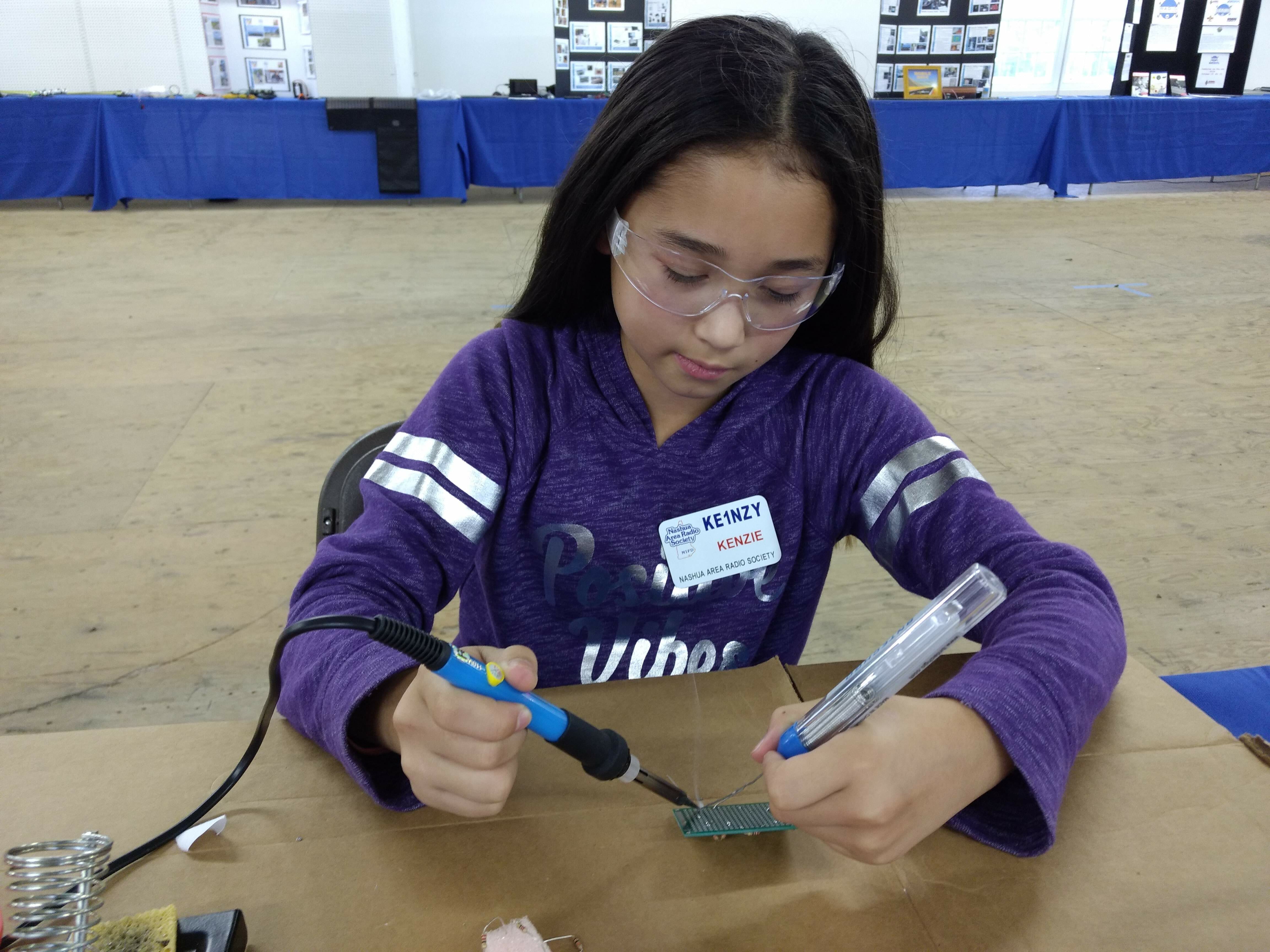
In the midst of her studying, Mackenzie attended the Boxboro, MA Hamfest.  This was a first for both of us.  Mackenzie enjoyed the NARS kit build of a Morse Code tutor and helped Fred Kemmerer and I present about building youth programs.  Kenzie shared with the group her love of Morse Code, Fox Hunting, and digital contesting.  Considering that she really doesn’t enjoy talking in front of people she doesn’t know, it was a great experience.  She also loved building the Morse Code tutor kit so much that she was able to work as a mentor at the same activity during fall NearFest.

KE1NZY

After gaining her General license, Kenzie toward to a new goal.  She wanted to get her Extra license before she turned 11 in January.  She began studying for the exam using apps but didn’t put too much time into it.  At the end of October, Kenzie was asked by Anita AB1QB to use her call sign in the multi-op category of the JARTS RTTY contest.  After learning that the contest exchange was the call sign and the person’s age, Mackenzie got very excited.  The weekend of the contest, Mackenzie, Anita, and I operated.  More than once, the other operators asked us to retransmit the age, thinking that the age of 10 was a mistake.   Every time this happened, Mackenzie’s pride and excitement grew because she knew she was doing something not many young girls were involved in.  She also knew that she may have been the only YL telling her true age.

At the beginning of November, Kenzie returned to the testing session of NARS trying to pass her Extra.  In her first attempt in October, she had scored nine correct with no studying.  During this session, she tried to pass the test twice.  She failed at both attempts only scoring 25 and 27 correct.  Yes, Kenzie was disappointed, but after a day of being upset, she decided she really wanted her Extra license.  Unlike many kids her age, she turned her failure into a learning experience and put forth more effort towards success. We purchased a subscription to Ham Test online and worked out a time to be tutored by Fred, AB1OC.

Her want for success was further stoked when she competed in CQ Worldwide.  For much of the competition, she logged for other operators.  Toward the end of her operating time, she was offered the chance to make an SSB contact with Ducie Island.  With coaching, she went through with making the contact.  The contact was a success and she was proud of herself for getting a rare DX as her first voice contact.  With the newfound self-esteem due to the Ducie Island connection, Kenzie began operating in the CQ Worldwide contest as the operator.  She became bummed because she could see prefixes and countries she needed for multipliers operating in an area of the band she could not access with only a General license.  At the end of her operating time, she knew she had to pass Extra because she didn’t want to be limited anymore.

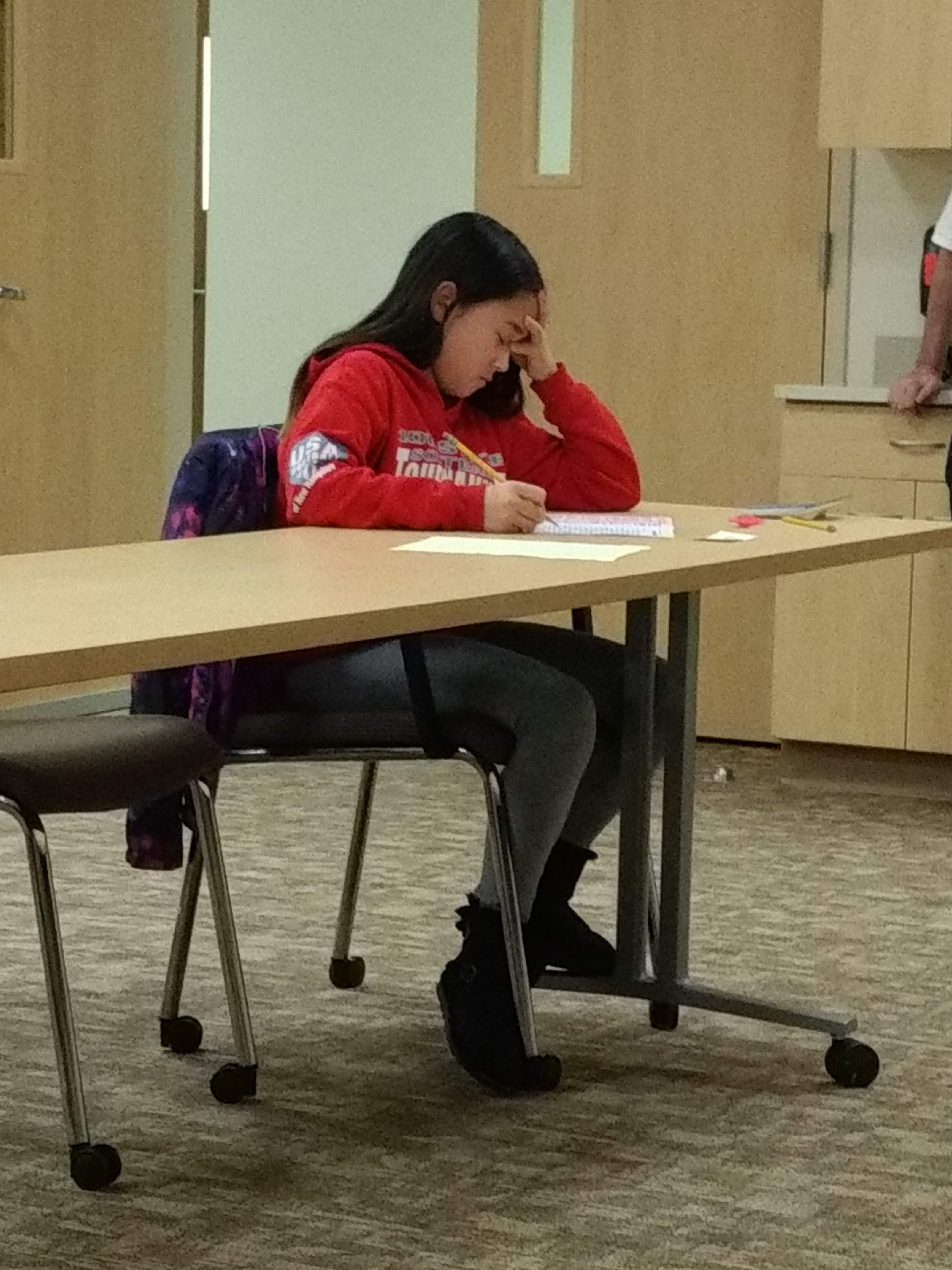
Sitting and waiting for her test to be scored on that day was exciting, nerve-racking, and seemed like it took forever, and that was just my thoughts.  Kenzie sat rethinking all of her answers.  She was nervous that she would fail once again and have to wait until February for her next chance to pass.  Never once did she sit and think about the fact that she was a child attempting to pass a test in a room filled with adults.  She was not worried about disappointing her mother or me because, at one point in her studying, we had already talked about her reasons for taking this test.  She had come to the conclusion that she was doing this for her and no one else.  She knew that we loved her and we’re proud of her for attempting to do something few ten-year-old girls had done.

KE1NZY KE1NZY

When Mackenzie was told that she passed, her face brimmed ear to ear with the biggest smile.  Kenzie had set a goal for herself and accomplished it.  She used the assistance of all those that helped her study: the tutoring sessions,  the NARS Extra Class, and all of the experiences contesting to pass the test.  With passing, she became the youngest member that NARS had ever successfully assisted in gaining her Extra License.  In Kenzie’s own words, now she can go on any band without worry.  She also hopes that she can inspire others to become interested in and licensed as Ham radio operators.

KE1NZY

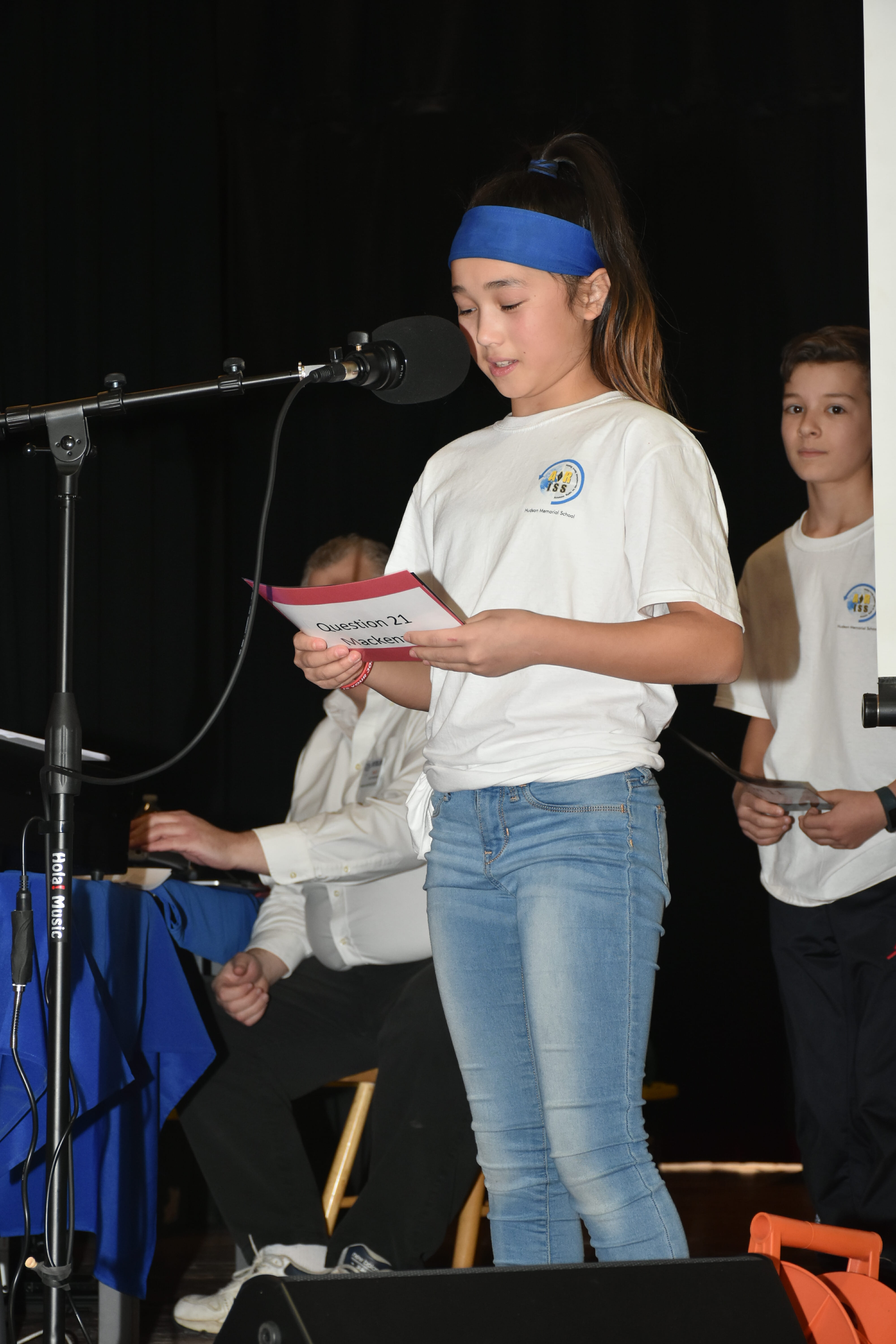
Since getting her license, Kenzie was a part of Hudson Memorial School’s ARISS contact.  She was able to ask NASA Astronaut Serena Aunon-Chancellor how long she had been licensed and what she used her license for besides ARISS contacts.  Before her contact, she proudly stated her call sign before an audience of over 1,000 people.  Since the contact, other students have come forward interested in Ham Radio because if she, the youngest student questioning the astronauts, could get a license then they knew they could do the same.

Dan, AC1EN


Radio Amateurs Developing Skills Worldwide