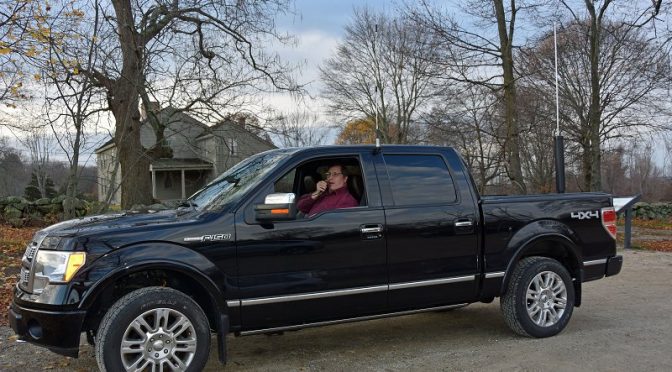
With only 1 month to go in the ARRL NPOTA event and some free time this Thanksgiving weekend, Fred and I decided to hit the road to activate some new parks. We activated two nearby parks, each less than 1 hour away from our home, Lamprey Wild and Scenic River, WR23, near Epping, NH, and Minuteman National Historical Park, HP27, near Concord, MA. There were close to 900K QSOs made overall in the NPOTA program as of Thanksgiving day and we also wanted to help the cause to get to 1Million NPOTA QSOs by year’s end.
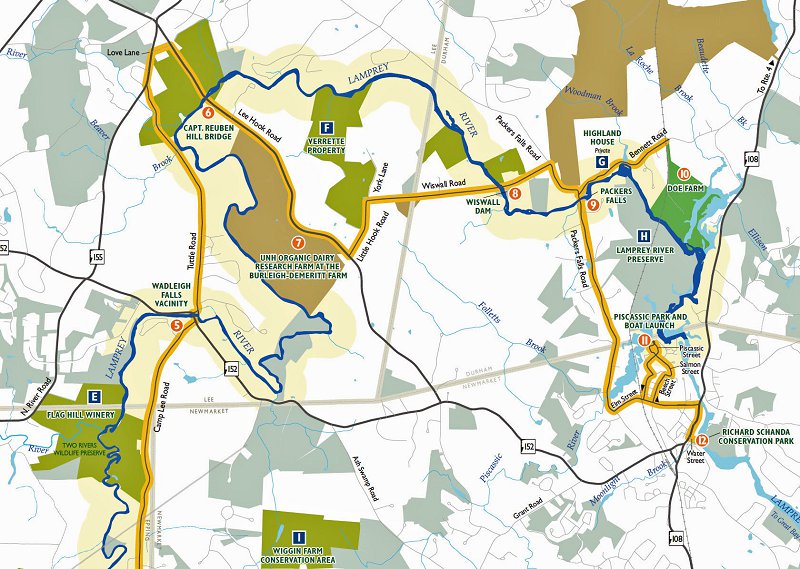
Map of Lamprey Wild and Scenic River
On Saturday, we drove to Epping, NH, where we activated Lamprey Wild and Scenic River. It was a rainy day, but we still enjoyed the scenic drive along the river. We drove along the river until we found a place by the river to park and operate. The bands were not great, with a K-index of 4 and a high A-index. Despite the conditions, our activation was a success. We operated on both 20m and 40m SSB and made a total of 307 QSOs over 3 hours.
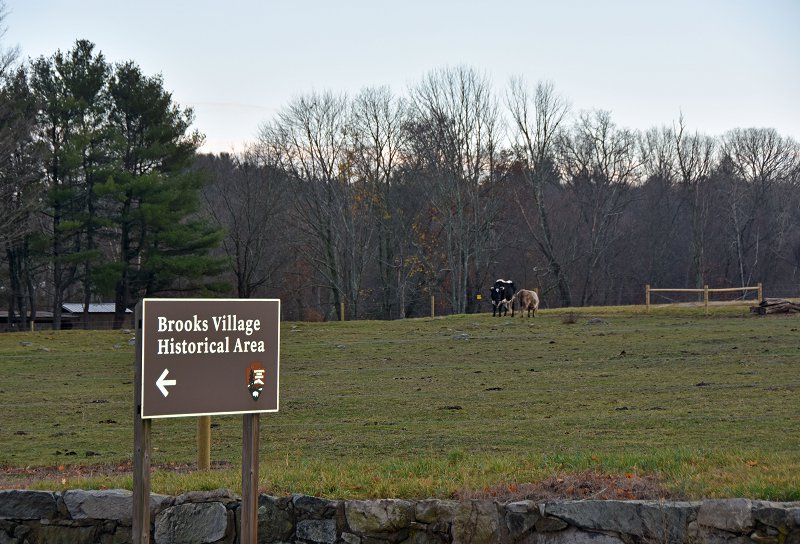
View of Countryside in Minute Man National Historical Park
I work in Burlington, MA and often travel between Burlington and Waltham, MA for meetings. Each time I passed by Lexington on I-95 I saw the sign for Minute Man NHP and thought it would be fun to do an NPOTA activation from there. We activated the park on Saturday. We entered the park from the Concord, MA end and were pleasantly surprised to see some nice countryside in the middle of a suburban area of Massachusetts, not far from Boston.
AB1QB logging for AB1OC/M during the NPOTA activation.
We operated from a parking lot in the park from mid-afternoon until dark. The bands were a little better on Saturday and we were able to get 239 contacts into the log, mostly the US but also worked stations from Spain, Jamaica, Aruba and Puerto Rico.
We have enjoyed activating 8 National parks so far in the NPOTA event. We are planning another activation between Christmas and New Years of multiple parks before the end of the event on December 31.
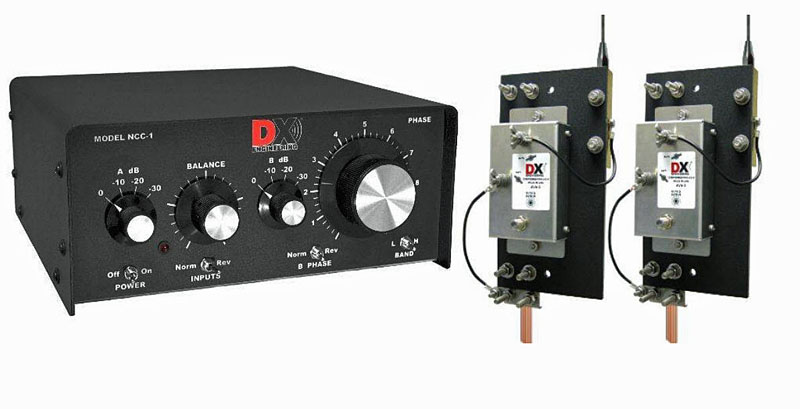
Anita and I like to take advantage of the mild fall weather to do antenna projects at our QTH. We have completed two such projects this fall – the installation of a Two-Element Phased Receive System and a rebuild of the control cable interconnect system at the base of our tower.
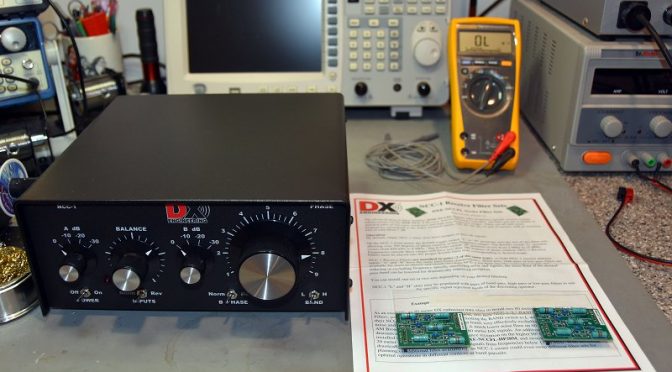
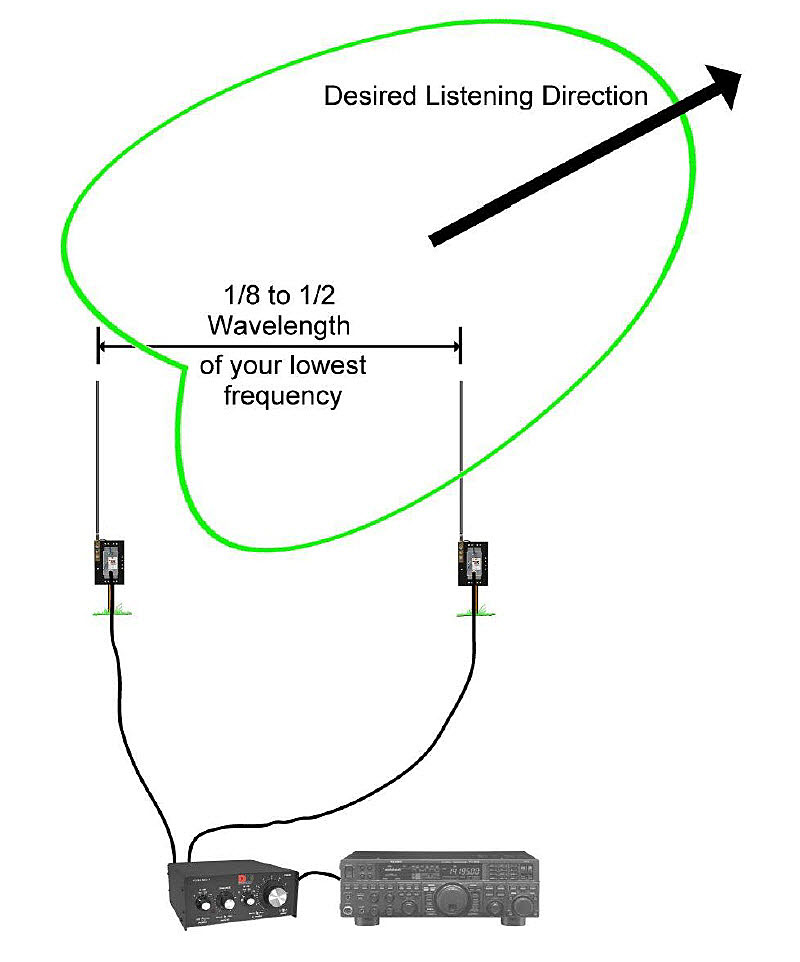
The NCC-1 System can be used to peak or null a specific incoming signal. It can also be applied to a noise source to null it out. The direction that it peaks or nulls in is determined by changing the phase relationship between the two Active Antenna Elements via the NCC-1 Controller.
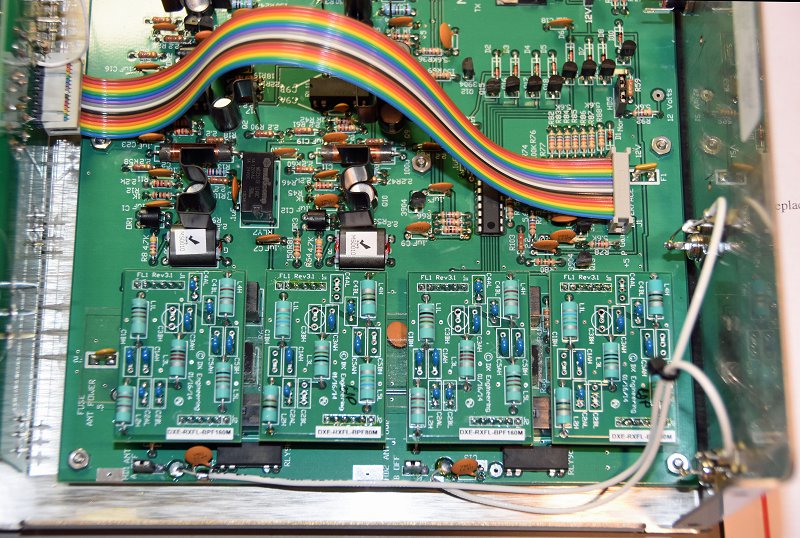
NCC-1 Filter Installation
The first step in the project was to open the NCC-1 Control Unit to install a set of 80m and 160m bandpass filter boards. These filters prevent strong out-of-band signals (such as local AM radio stations) from overloading the NCC-1. The internal switches were also set to configure the NCC-1 to provide power from an external source to the receive antenna elements through the connecting coax cables.
Receive Antenna Elements and Coax
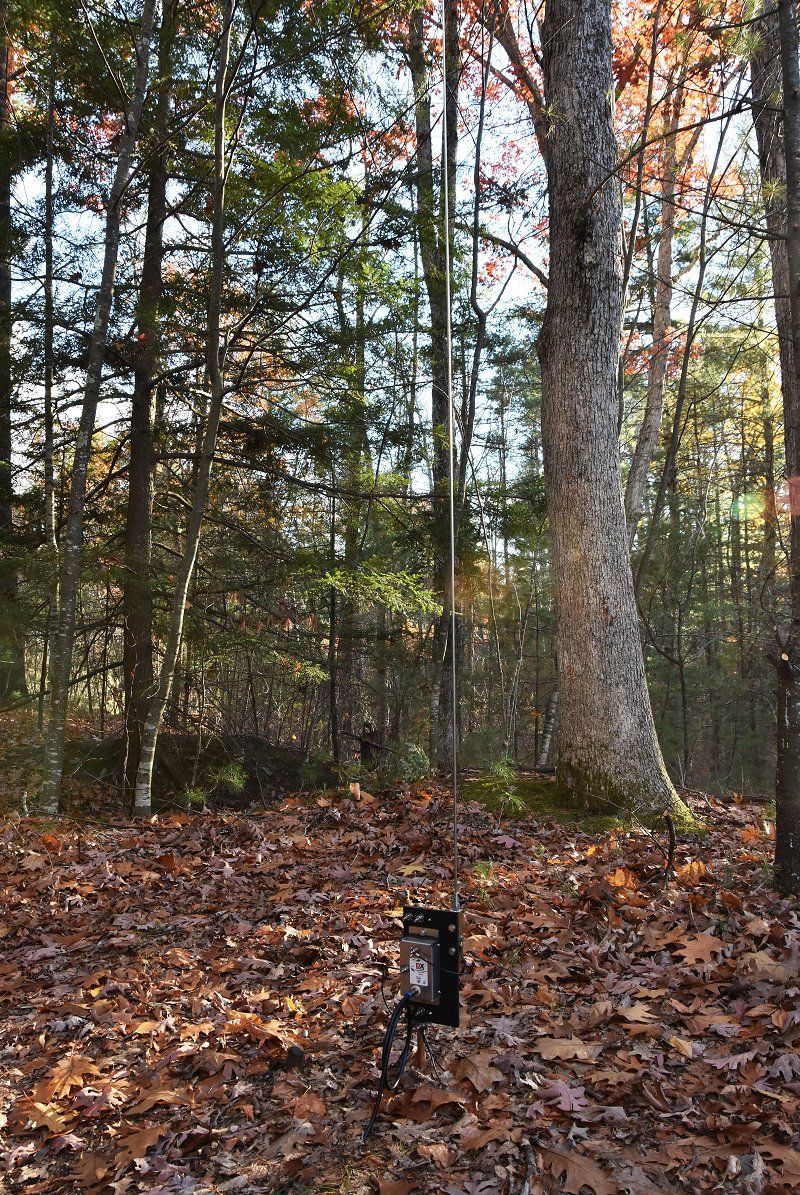
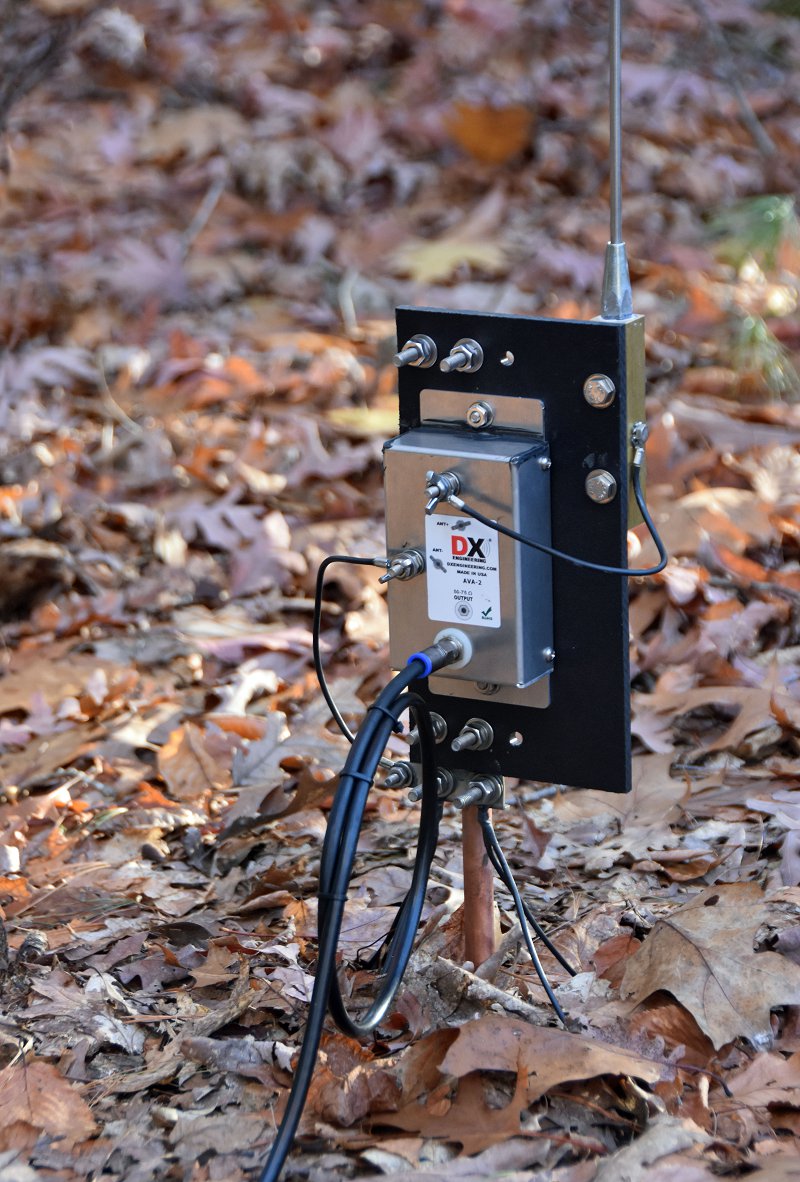
Installed Active Receive Antenna Element
The next step in the project was to select a suitable location for installing the Receive Antenna Elements. We choose a spot on a ridge which allowed the two Antenna Elements to be separated by 135 ft (for operation on 160m/80m) and which provided a favorable orientation toward both Europe and Japan. The antenna elements use active circuitry to provide uniform phase performance between each element’s 8 1/2 foot whip antenna and the rest of the system. The antenna elements should be separated by a 1/2 wavelength or more on the lowest band of operation from any towers or transmit antennas to enable the best possible noise rejection performance.
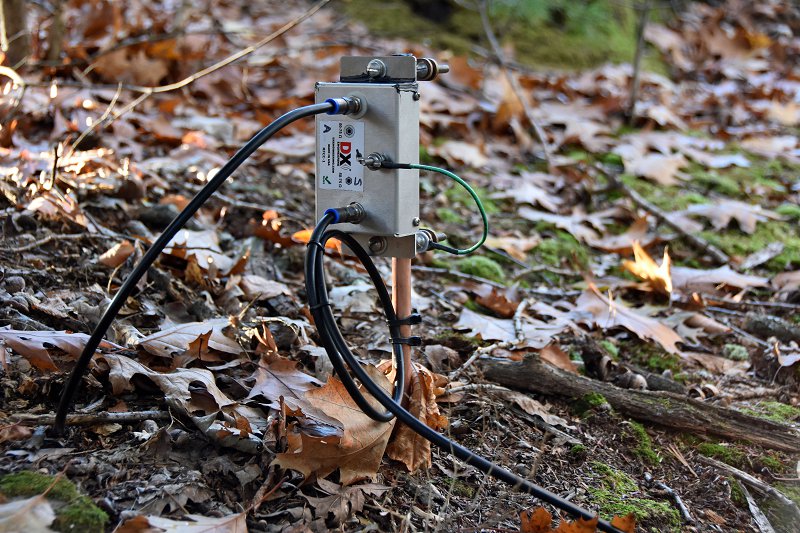
Received Antenna Element Closeup
The two Antenna Elements were assembled and installed on 5 ft rods which were driven into the ground. To ensure a good ground for the elements and to improve their sensitivity, we opted to install 4 radials on each antenna (the black wires coming from the bottom of the unit in the picture above). The Antenna Elements are powered through 75-ohm flooded coax cables which connect them to the NCC-1 Control Unit in our shack. The coax cable connections in our setup are quite long – the length of the pair being approximately 500 ft. The use of flooded coax cable allows the cables to be run underground or buried. Should the outer jacket become nicked, the flooding glue inside the cable will seal the damage and keep water out of the cable.
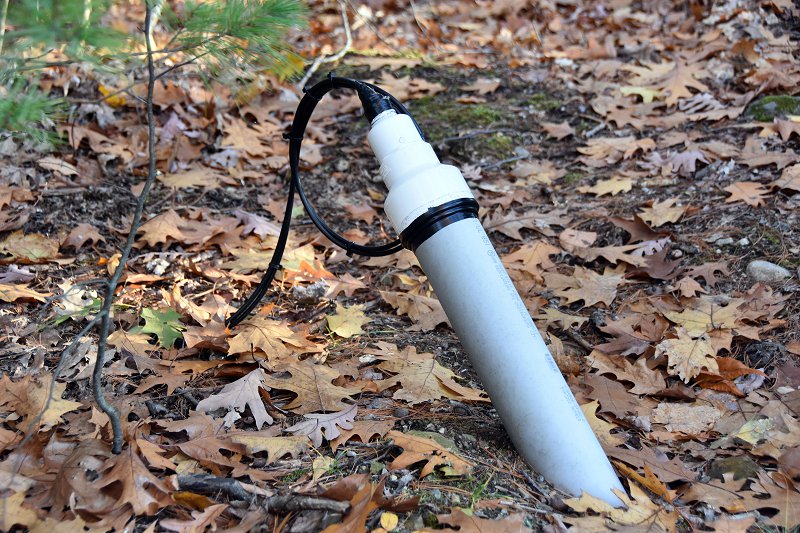
Receive RF Choke
It is also important to isolate the connecting coax cables from picking up strong signals from nearby AM Radio stations, etc. To help with this, we installed Receive RF Chokes in each of the two coax cables which connect the Antenna Elements to the NCC-1. These chokes need to be installed on ground rods near the Antenna Elements for best performance.
Underground Cable Conduit In Our Yard
We ran the coax cables underground inside cable conduits for a good portion of the run between the antenna elements and our shack. The conduits were installed in our yard when we built our tower a few years back so getting the coax cables to our shack was relatively easy.
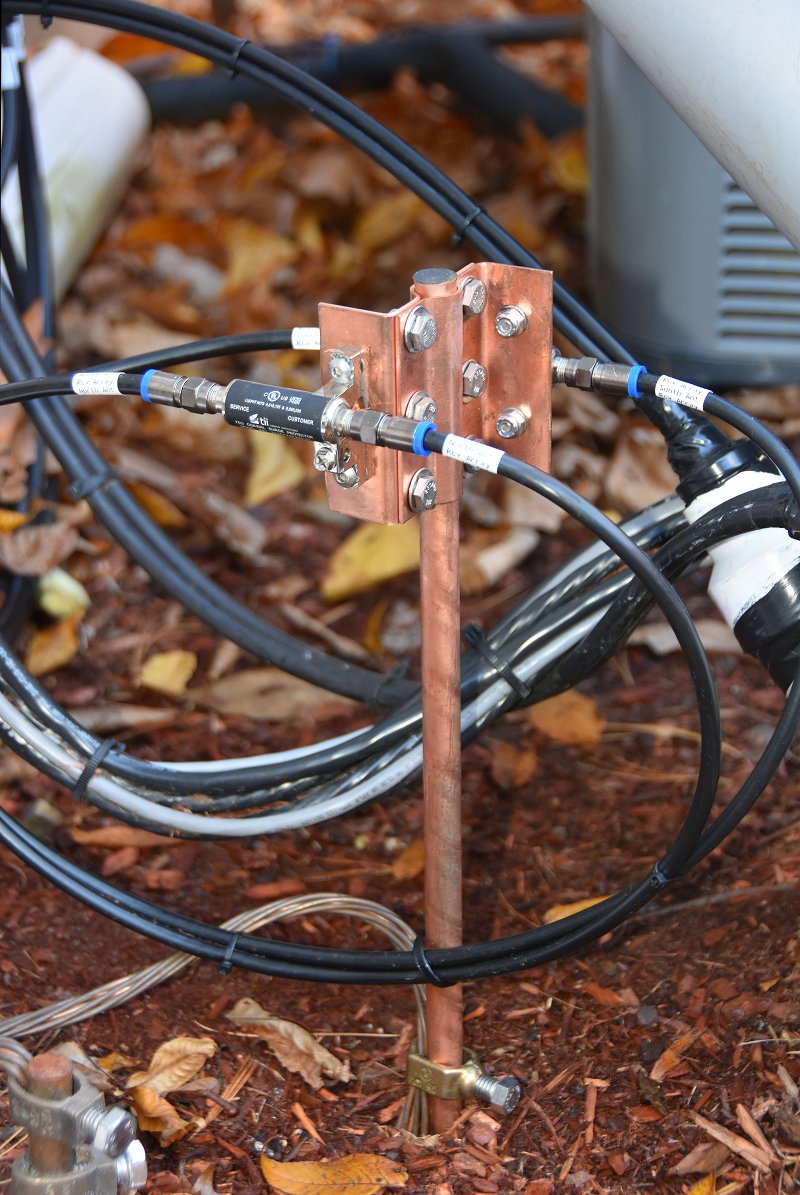
Receive Antenna Coax Ground System
The last step in the outdoor part of this project was to install a pair of 75-ohm coax surge protectors near the entry to our shack. An additional ground rod was driven for this purpose and was bonded to the rest of our station’s ground system. We routed both of the 75-ohm coax cables from the two Antenna Elements through surge protectors and into our shack. Alpha-Delta makes the copper ground rod bracket shown in the picture for mounting the surge protectors on the ground rod.
Shack Installation
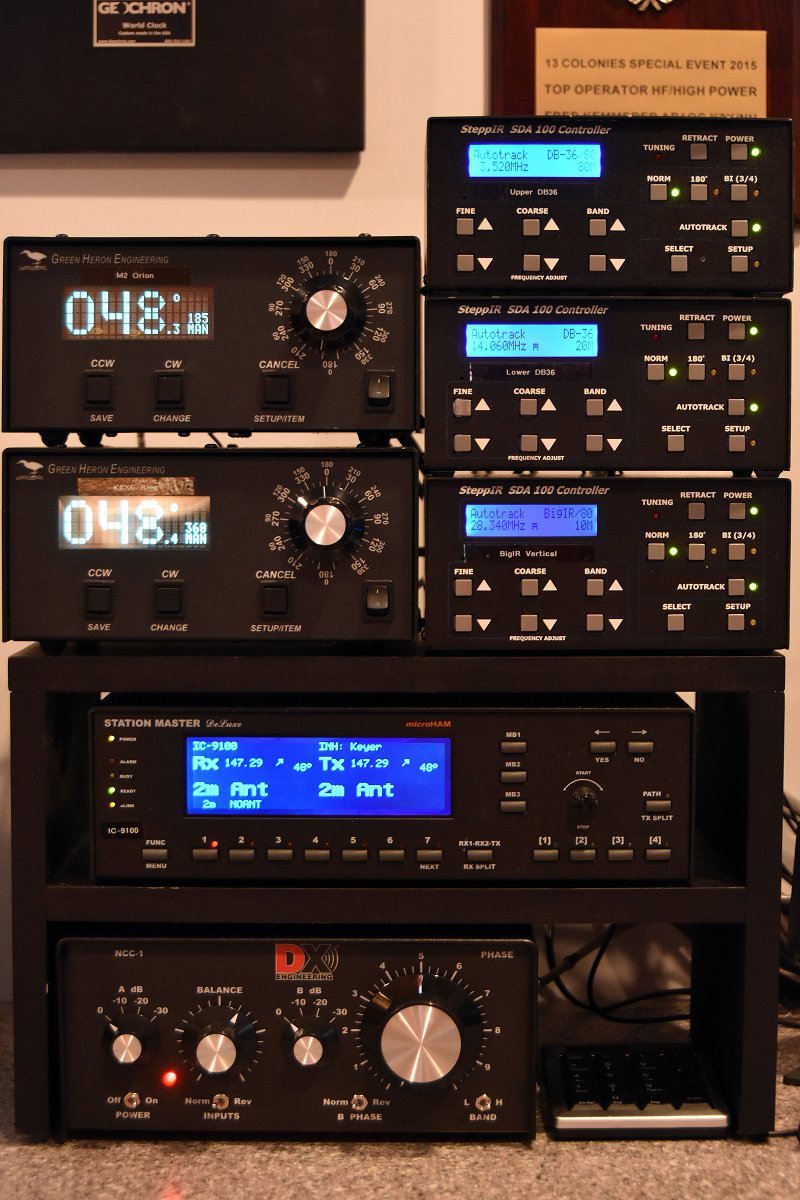
Antenna Equipment Shelf In Our Shack (The NCC-1 Control Unit Is At The Bottom)
The installation work in our shack began with the construction of a larger shelf to hold all of our antenna control equipment and to make space for the NCC-1. The two incoming coax cables from the Antenna Elements were connected to the NCC-1.
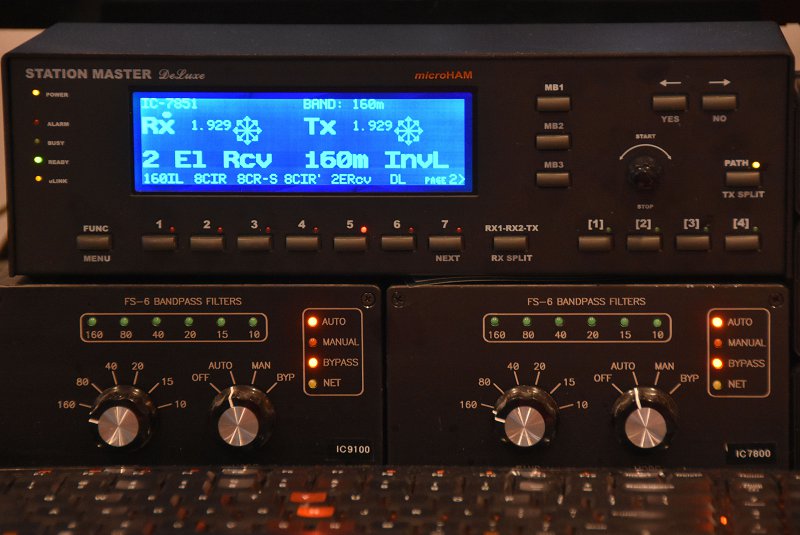
microHAM Station Master Deluxe Antenna Controller
Antenna switching and control in our station is handled by a microHAM System. Each radio has a dedicated microHAM Station Master Deluxe Antenna Controller which can be used to select separate transmit and receive antenna for the associated radio. The microHAM system allows our new Receive Antenna System to be shared between the 5 radios in our station.
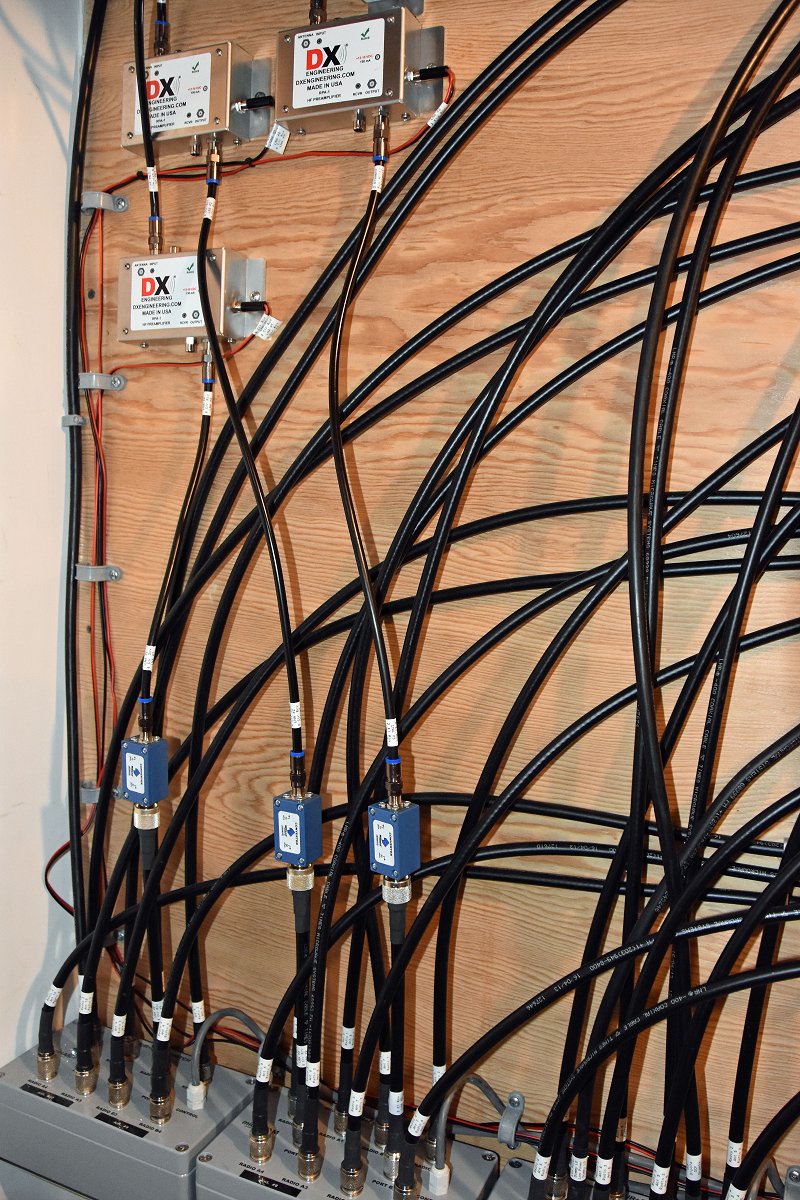
Antenna Switching Matrix
The first step in integrating the Receive Antenna System was to connect the output of the NCC-1 to the Antenna Switching Matrix outside our shack. We added a low-noise preamp (shown in the upper left of the picture above) to increase the sensitivity of the Antenna System. The blue device in the picture is a 75 ohm to 50-ohm matching transformer which matches the NCC-1’s 75-ohm output to our 50-ohm radios. The other two preamps and transformers in the picture are part of our previously installed 8-Circle Receive Antenna System.
Protection From Overload
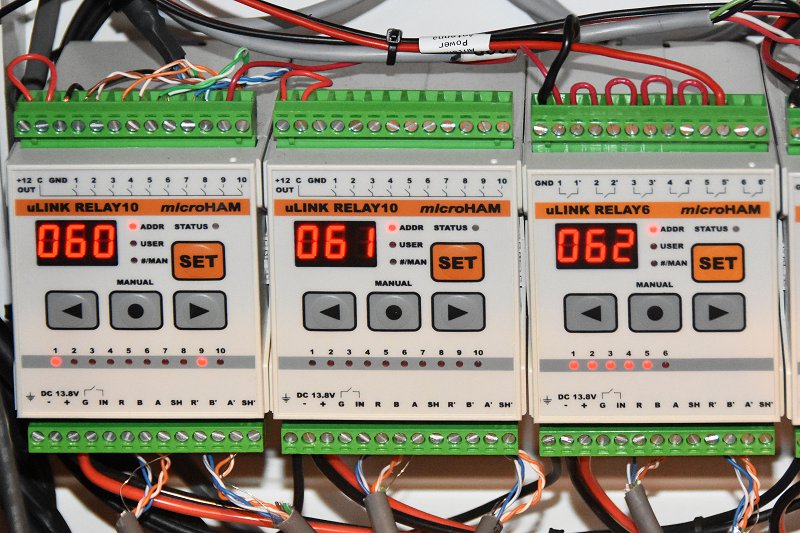
Multi-Radio Sequencer
The Antenna Elements must be protected from overload and damage from strong nearly RF fields from our transmit antennas. In a single radio station, this can be handled via a simple sequencer unit associated with one’s radio. In a multi-op station such as ours, it is possible for a different radio than the one which is using the Receive Antenna System to be transmitting on a band which would damage the Receive Antenna System.
To solve this problem, we built a multi-radio sequencer using one of the microHAM control boxes in our station. The 062 Relay Unit shown above has one relay associated with each of the five radios in our station. The power to the Receive Antenna System is routed through all 5 of these relays. When any radio transmits on a band that could damage the Antenna Elements, the associated relay is automatically opened 25 mS before the radio is allowed to key up. This ensures that the system’s Antenna Elements are safely powered down and grounded.
On The Air Performance
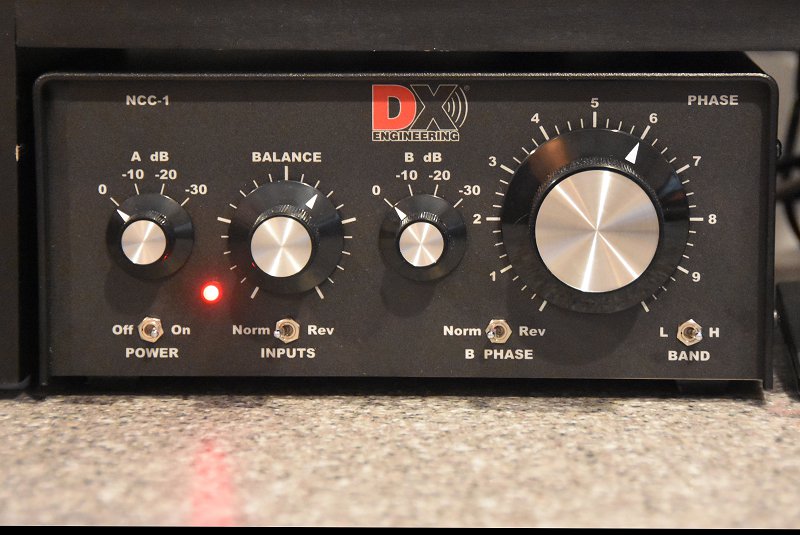
NCC-1 Controls
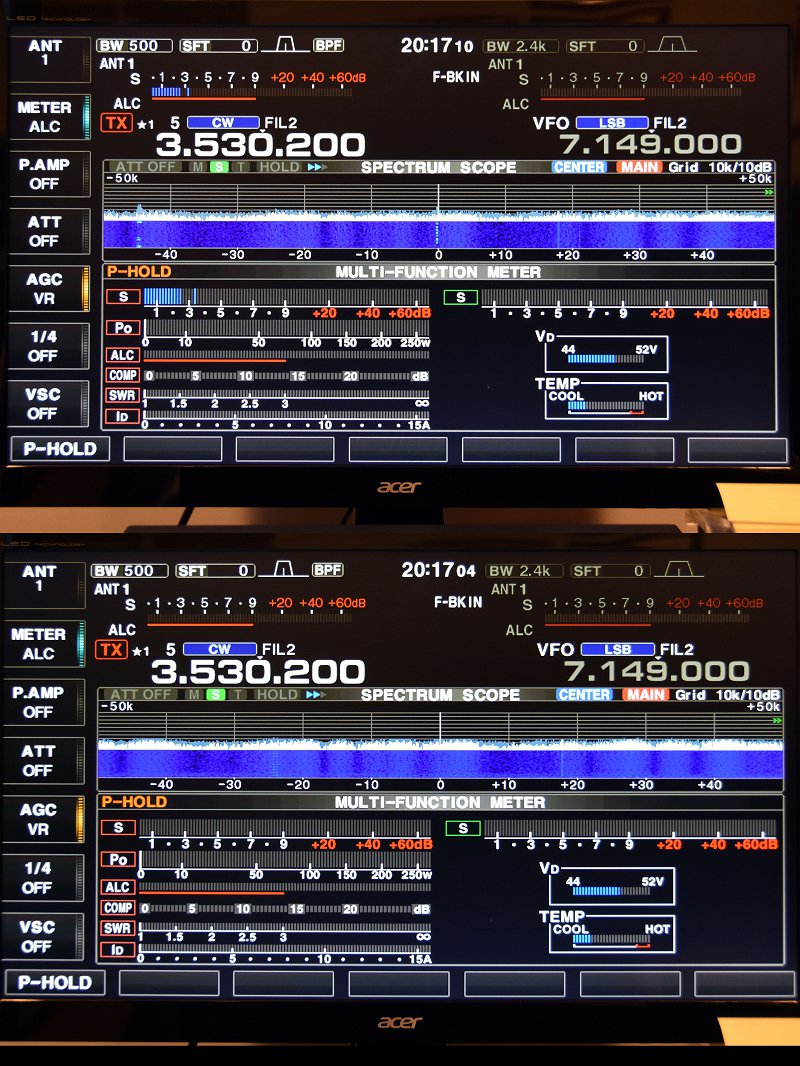
So how well does the system work? To test it, we adjusted the NCC-1 to peak and then null a weak CW signal on 80m. This is done by first adjusting the Balance and Attenuator controls on the NCC-1 so that the incoming signal is heard at the same level by both Antenna Elements. Next, the B Phase switch is set to Rev to cause the system to operate in a signal null’ing configuration and the Phase control is adjusted to maximize the null’ing effect on the target signal. One can go back and forth a few times between the Balance and Phase controls to get the best possible null. Finally, the incoming signal is peaked by setting the B Phase switch to Norm.
Peaked And Null’ed CW Signal
The picture above shows the display of the target CW signal on the radio using the NCC-1 Antenna System. If you look closely at the lower display in the figure (null’ed signal) you can still see the faint CW trace on the pan adapter. The difference between the peak and the null is about 3 S-units or 18 dB.
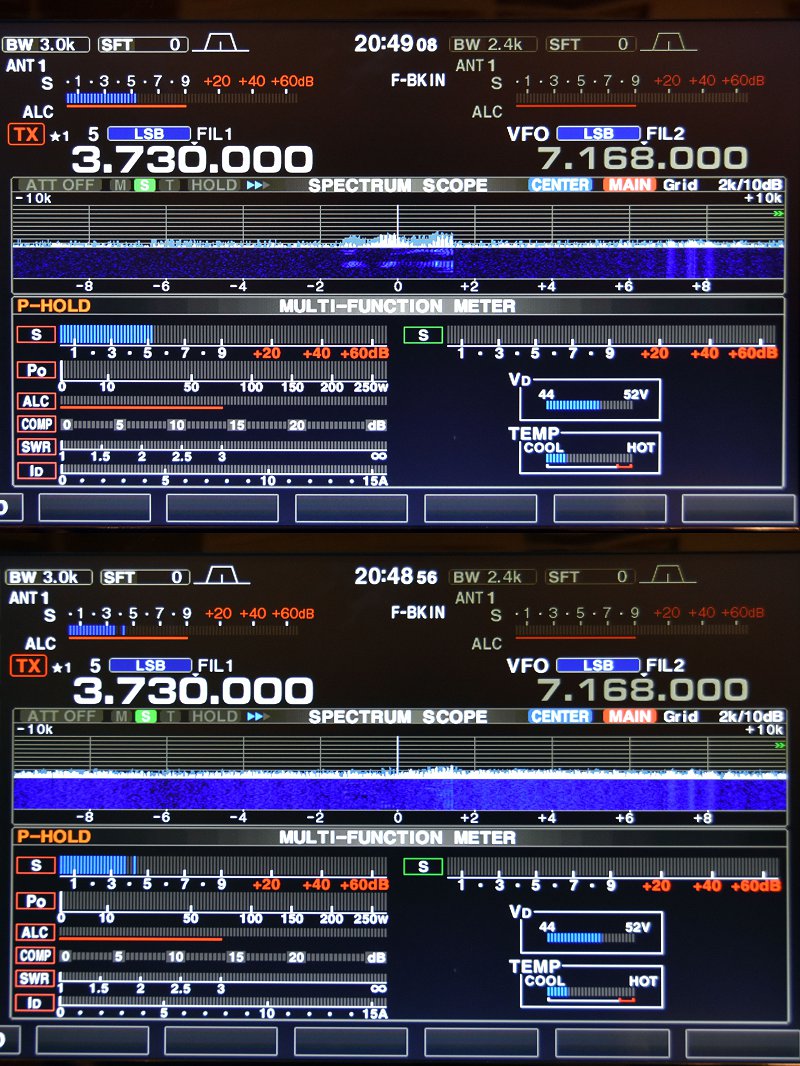
NCC-1 Used For Noise Cancellation
The NCC-1 can also be used to reduce (null out) background noise. The picture above shows the result of doing this for an incoming SSB signal on 75m. The system display at the top shows an S5 SSB signal in the presence of S4 – S5 noise. Also, note how clean the noise floor for the received SSB signal becomes when the unit is set to null the noise source from a different direction than the received SSB signal.
We are very pleased with the performance of our new Receive Antenna System. It should make a great tool for DX’ing on the low-bands. It is a good complement to our 8-circle steerable receive system which we use for contesting on 160m and 80m.
Other Antenna System Maintenance
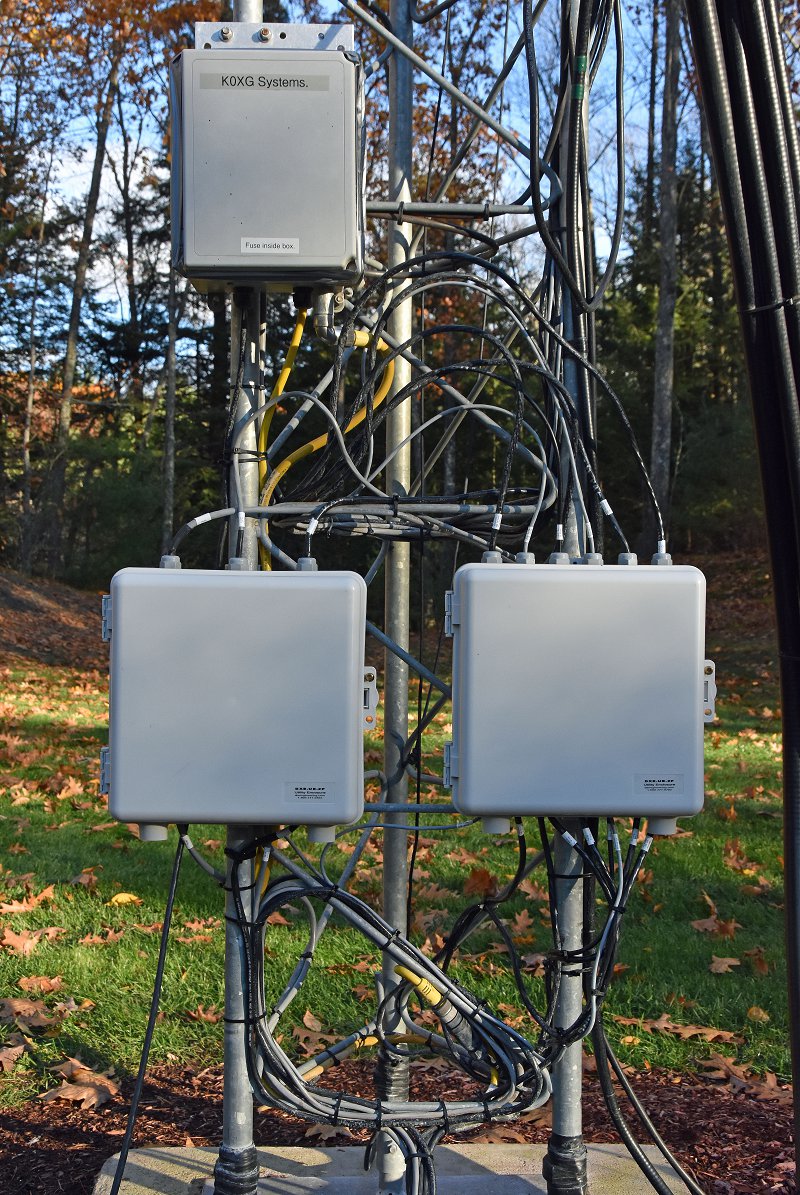
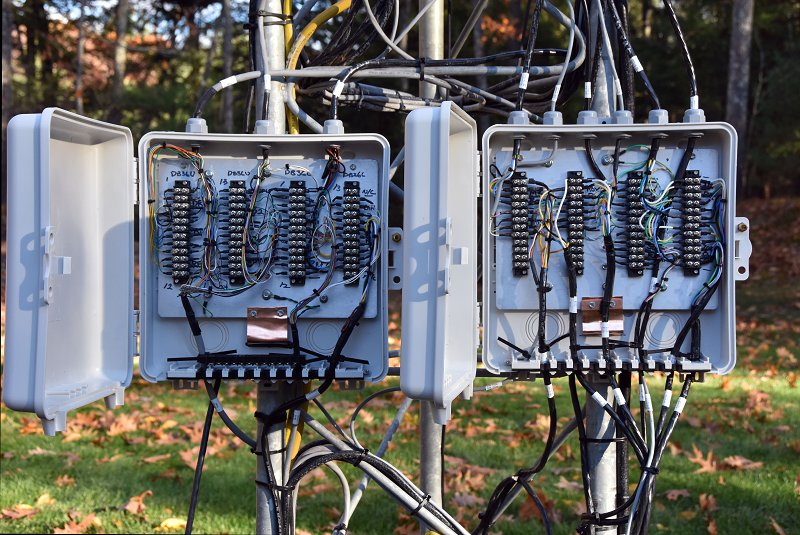
Tower Control Cable Interconnects (Bottom Two Gray Boxes)
Our other antenna project was a maintenance one. We have quite a number of control leads going to our tower. When we built our station, we placed surge protectors at the base of our tower. We then routed all of our control leads through exposed connections on these units. Over time, we found that surge protection was not necessary. Also, we became concerned about the effects that sunlight and weather were having on the exposed connections. To clean all of this up, we installed two DXEngineering Interconnect Enclosures on our tower and moved all the control cable connections inside them.
Inside View Of Interconnect Enclosures
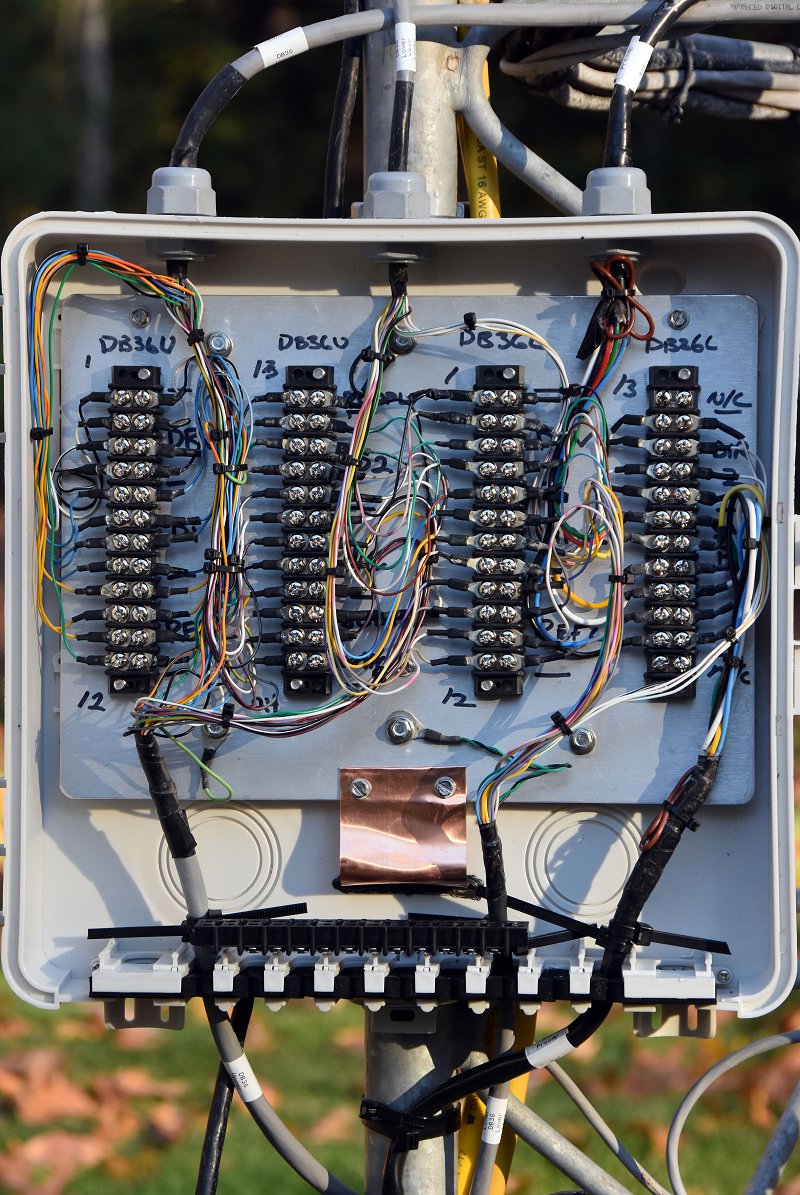
We began with a pair of enclosures from DXEngineering and we mounted screw terminal barrier strips on the aluminum mounting plates in each enclosure. The aluminum plates are grounded via copper strap material to our tower.
Closer Look At One Of The Interconnect Enclosures
The picture above shows one of the interconnection boxes. This one is used to connect our two SteppIR DB36 Yagi Antennas and some of the supporting equipment. The barrier strips form a convenient set of test points for troubleshooting any problems with our equipment on the tower. There are almost 100 control leads passing through the two enclosures. This arrangement keeps everything organized and protected from the weather.
With all of our antenna projects complete, we are looking forward to a fun winter of contesting and low-band DX’ing.
Since the summer time, many of you have seen a flurry of activity on the website regarding our efforts to attract more young people and especially kids into the hobby. And let’s not kid ourselves, this is by no means an easy feat. It’s a legitimately difficult problem that many clubs all over the country are facing and is large enough such that it is recognized by the ARRL. It’s the lifeblood of the hobby — passing the torch on, teaching what we can and what we know. In my humble view, I feel an almost civic duty to actively recruit these younger folks and what is advantageous to us is that we can sell the club and its activities under the STEM (science, technology, engineering, and mathematics) movement. This means we can open up the study of electronics, robotics, radios, physics, and the AdS/CFT correspondence (relating 4D strongly coupled quantum gauge theories to 5D classical string theories in curved spacetimes…pretty trivial stuff) to the younger crowd. So now that I’ve set the stage for you, the remainder of this blog will talk about what we, your fearless youth outreach crew (see figure below), have been up to.
The youth outreach crew
Our activities were planned from 9 am – 5 pm on November 19. The day, of course, started earlier — around 830am where we began to set up the ubiquitous GOTA station at the Dartmouth-Hitchcock facility in Nashua as well as the litany of other activities we had planned. We had decided that the best set of activities would be:
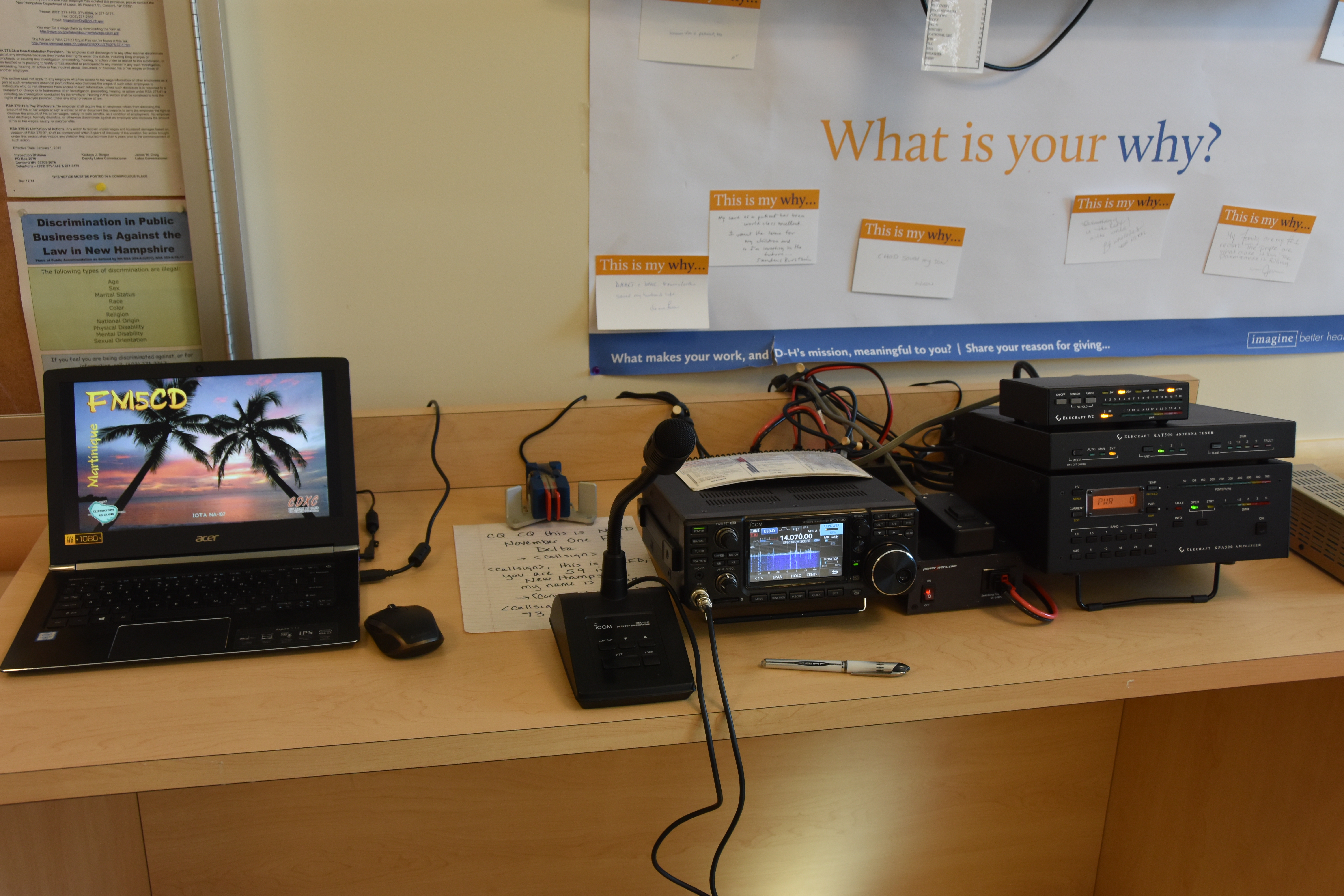
GOTA station (the infamous IC-7300 making another appearance)
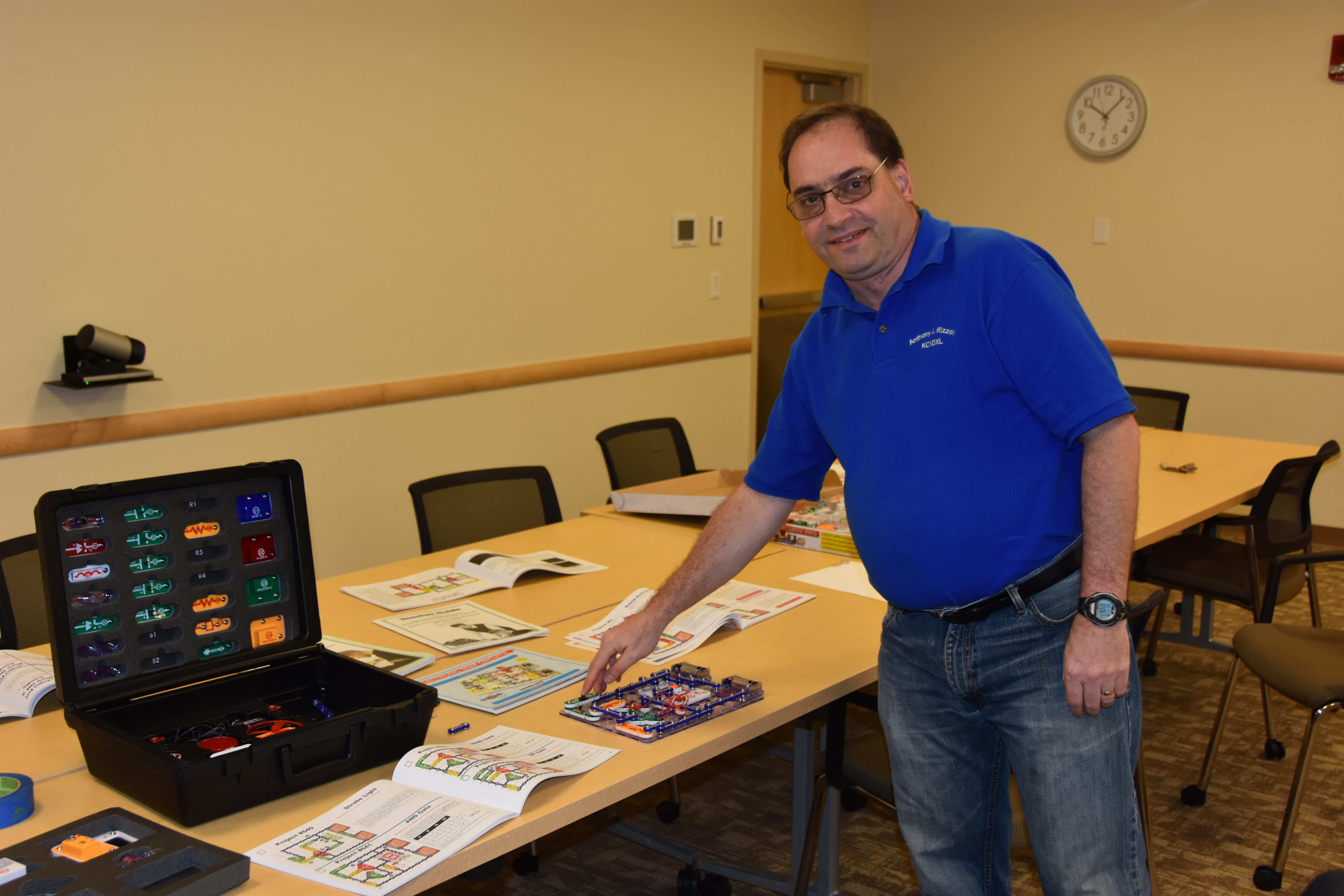
Electronic snap circuit stations where folks could experiment with the projects supplied with the kits
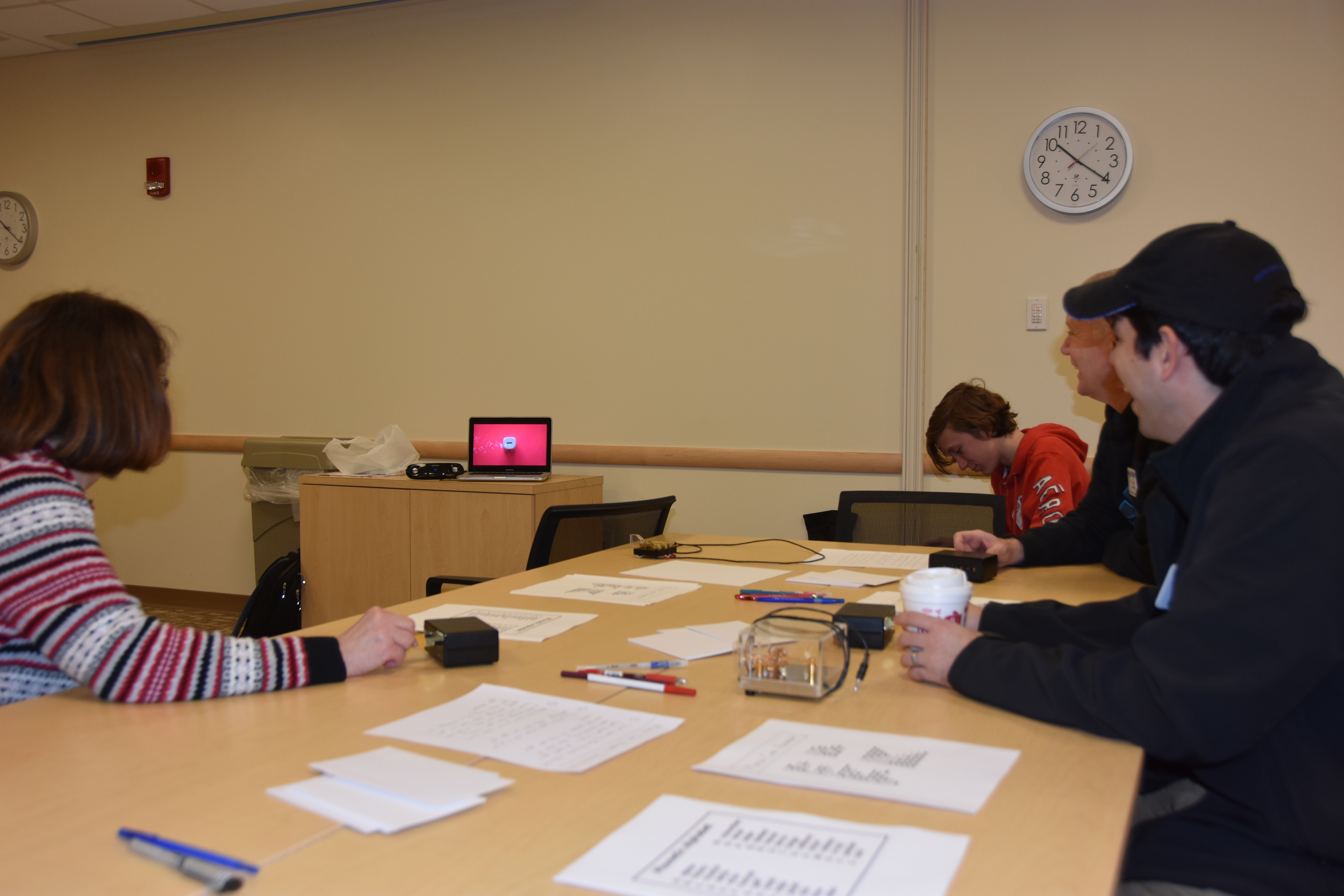
Morse code station where kids could follow along with “The Rhythm of the Code” and then eventually build up to sending more difficult messages. (Disclaimer: This video is annoying and useful all at the same time. Consumer beware :)
QSL card station: After making a QSO, we posted the locale on a world map next to the station and printed out a memento of the contact on the back of our NARC QSL cards!
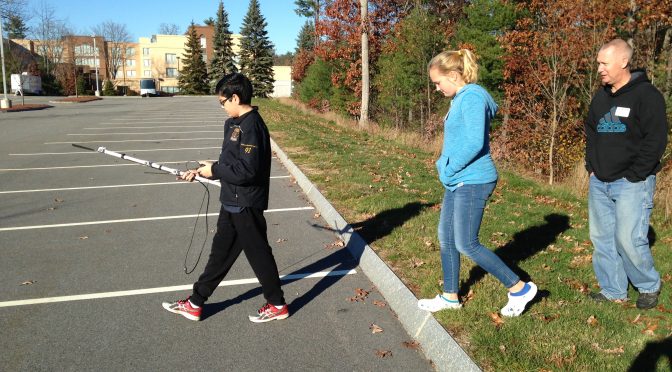
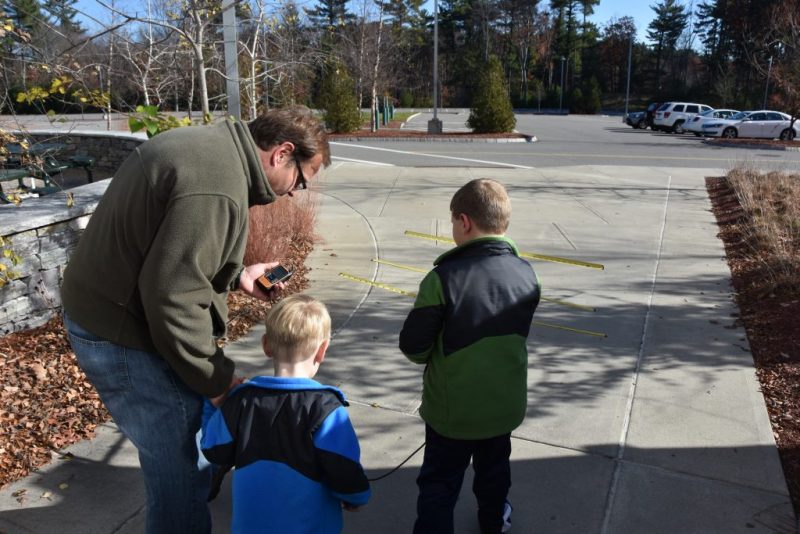
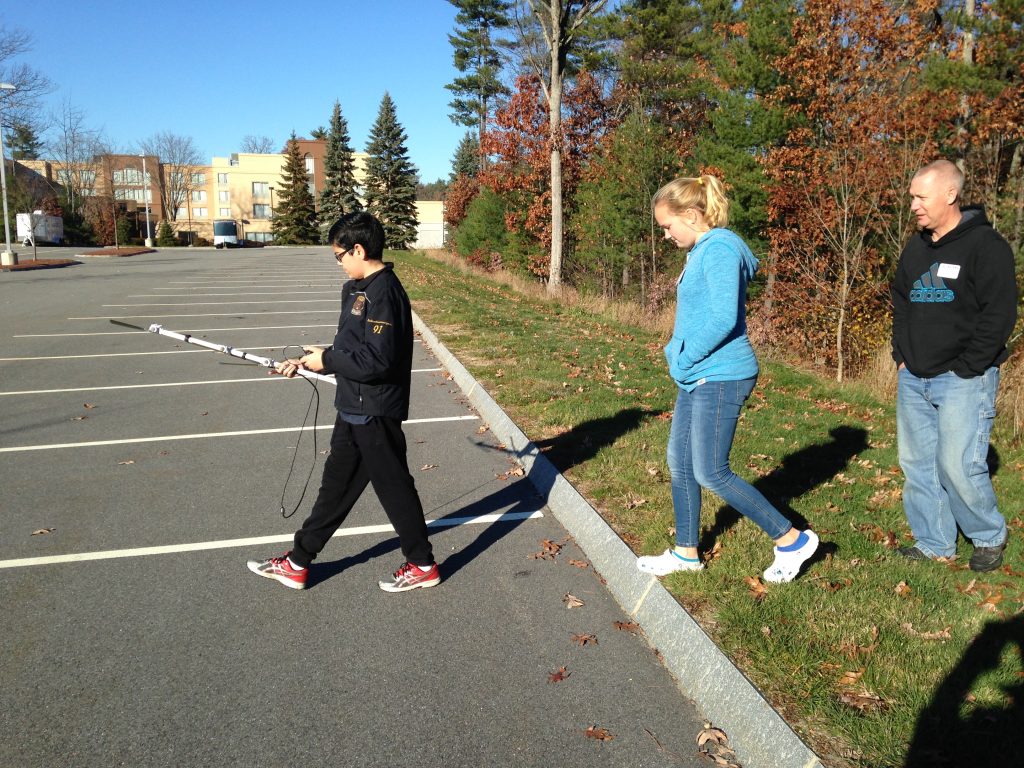
Foxhunting: Everyone loves a good fox hunt. From ham radio enthusiasts to Quentin T. Butternuts, Esq. and his gaggle of British compatriots (No foxes were hurt in the hunt itself).
Some pics of our activities are below:
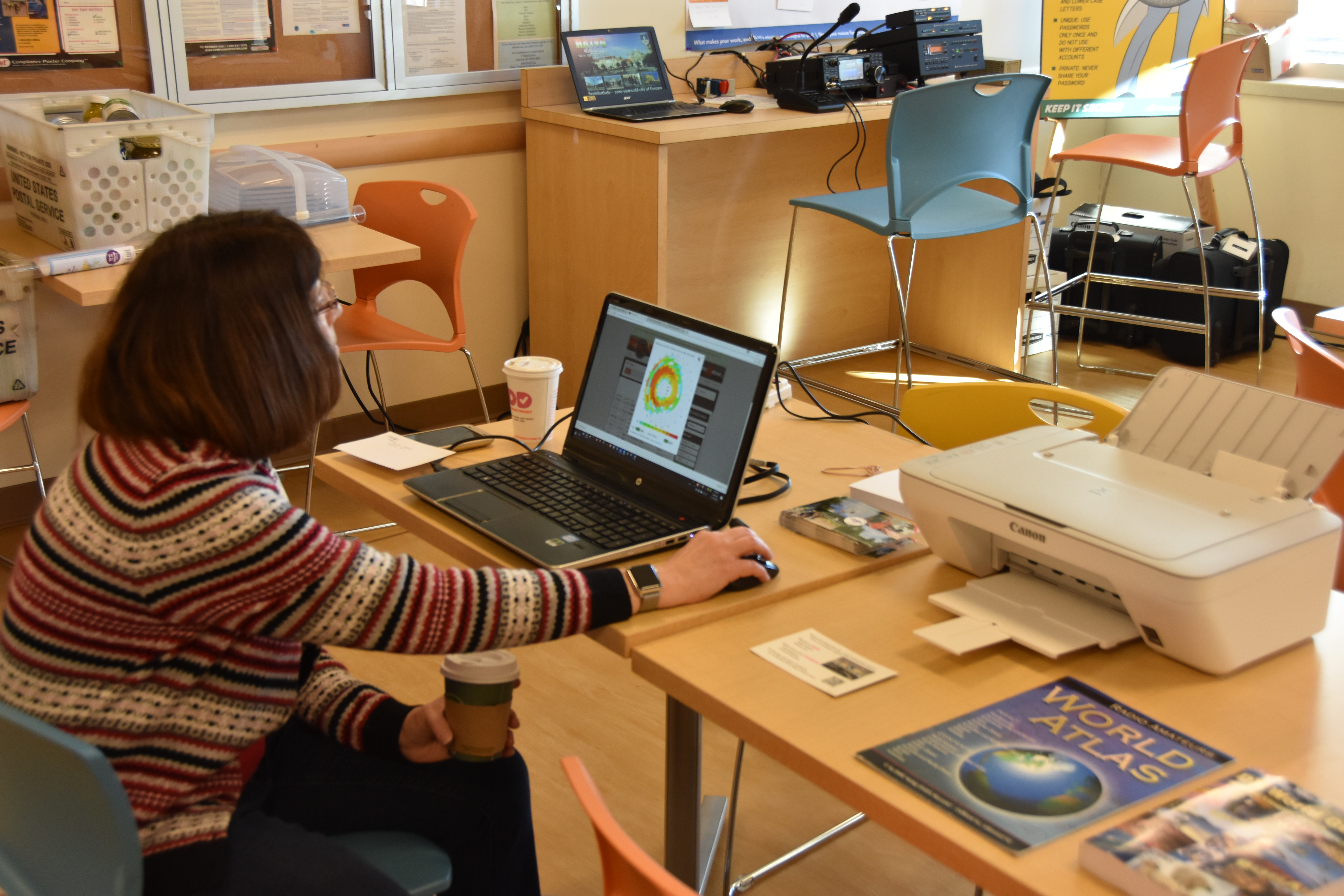
GOTA stationQSL card station manned by AnitaTony rock’in a pose next to the snap circuits. He’s practicing for the Ralph Lauren Winter collectionPerhaps at the point of insanity from the Rhythm of the codeGreg (W1TEN), and his two little ones enjoying a fox huntAbby and one of our guests, Kailas, enjoying a fox hunt in the awesome weather. It almost kind of reminds me of the Abbey Road cover.
Volunteers present at the event, from the club, were: Brian (AB1ZO), Jamey (KC1ENX), Abby (KC1FFX), Connor (KC1GGX), Fred (AB1OC), Anita (AB1QB), Tony (KC1DXL), Wayne (KB1HYL). All in all, we enjoyed hosting 13 people! 7 internal to our club and 6 external. Our internal members were Greg (W1TEN) and his 2 kids, Ira (KC1EMJ) and his grandson, and Don (KC1CRK) with his wife (they LOVED the snap circuits…thank you!).
I think we had a hit! Two families in particular (new to the world of amateur radio) stayed with us for most of the day and we were very grateful for their participation! They graciously provided us with additional avenues to explore and other people to contact to engender more interest in our target population. Our numbers from outside NARC are beginning to grow, and as such, we are always looking for help/advice from you, our club members.
Lastly, we did learn several lessons from this event.
We need to continue to proselytize our message. We understand that not everyone is available to come volunteer and help out physically at the events themselves. What we do need however that is a HUGE help is having our members spread our word, flyers, pamphlets, and any literature we can distribute. The two people I would really like to recognize for their contributions are John (W1SMN) and Tony Rizzolo’s (KC1DXL) wife Josephine. They really went to bat for us and sent out our flyers everywhere. Because of our event, we made new contacts with folks from the Boys and Girls Club in Nashua and also MakeIt labs in Nashua, as well as some local charter schools. We intend on bringing the fight to these places, do some demonstrations, and recruit more kids to do additional activities with us. All in all, in addition to what we are doing, we value your input, so please send an email to myself or Jamey (KC1ENX) with your thoughts.
Pick hands-on activities. I think one reason our activities at this event were successful is that the kids were engaged the whole time. Thinking down the road, we need to keep this momentum moving forward with well-thought out activities. Some of these which occurred to us were kit-building electronics afternoons. I could see this being fun during the Winter months. Projects with Arduinos and Raspberry Pis, with some emphasis on amateur radio application. Or, even a high-altitude balloon build: we could imagine putting a transmitter on one of these and ask the kids to design/build/execute over the course of several weekends. (This is of course once achieving critical mass). The point is, we do not have to gear every activity towards amateur radio, but rather gear it towards the STEM aspects of the hobby that we all find appealing.
Get buy-in from the parents. The parents are the masters of their children’s schedule. If they feel the time is not worth it, our efforts are for naught. We need to remember while cultivating a child’s interest, we also need to do so for the parents.
Jamey and I will be regrouping in the coming weeks to figure out our next steps/strategies — both short-term and long-term. You will certainly see future blog posts from us, so please stay tuned and let us know if we can pique your curiosity to join us during some of our upcoming events.
We use cookies to ensure that we give you the best experience on our website. If you continue to use this site we will assume that you are happy with it.