Category Archives: General

Articles about Amateur Radio and the Nashua Area Radio Society. This is a general category which includes most articles on our website.

MT. Hale and 30 Meters (in the rain)

MT. HALE and 30 METERS QRP

The White Mountains National Forest
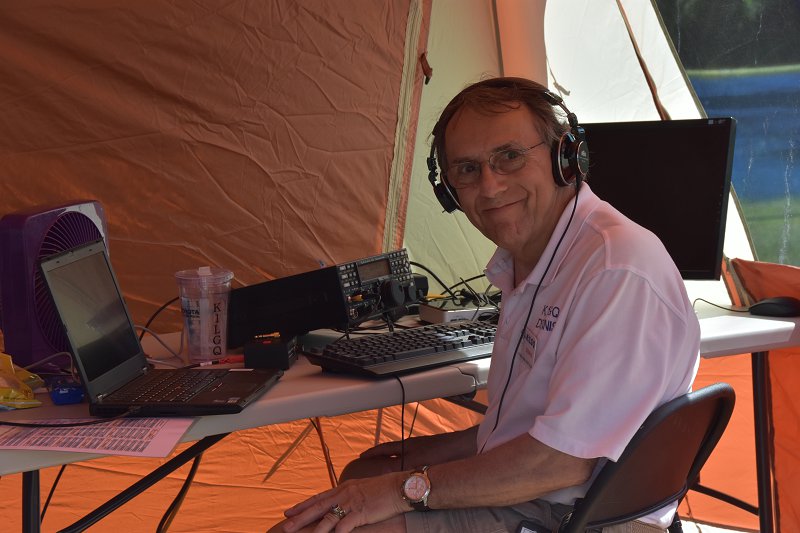
Dennis, K1LGQ

Dennis Marandos – K1LGQ

The trip to the mountain had been planned four weeks in advance and I was to guide my seventeen-year-old son, Justin and his two friends, on a Saturday hike in the White Mountains in northern New Hampshire. The date was May 27th and it was agreed that I would bring along my radio gear because I am the driver and the guy who knows how to climb Mt. Hale. It was agreed that Justin wouldn’t complain when I took an hour off from our climb for me to string a dipole and work some DX just waiting for my QRP signal east and westward wound. My son with his two friends packed into dad’s car and headed due north driving one hundred twenty miles to the White Mountains National Forest. For those people who are unfamiliar with the North Country, New Hampshire has a great number of mountains along with the other five New England states, and NH, in fact, has forty-eight foothills that are 4,000 feet or better. This may seem quite mundane, however, hiking and “hill topping” with a handy on these ridges is “primo” in this part of the country.

The gang arrived at Zealand trail, Halebrook & Lend-A-Hand trails at 9:15 ready to zoom up the miles of pure fun. I had my handy, my 30 meters “30-40” home brew rig with me and a pretty heavy 12-volt gel-cell battery. I knew the kids, who were all 17 years old, would complain if I asked them to carry my gear, so I opted to carry a ‘large’ knapsack with water, small lunch, extra socks, sweatshirt, and long pants by myself. The backpack was pretty heavy, but you have to know what to expect for weather when climbing any mountain. I also had my key, earphones, and dipole in a waterproof bag neatly stored till we reached the top.

As we climbed, the early morning sun was vibrant as in just about any corner of the U.S., but when the clouds started rolling in on our climb at ten in the morning, the weather was truly undefined for that day. Sure, you can listen to the National Weather stations, but the NWS tends to extend their prognostications to include everything, just in case anybody should question their forecasts. The sky was navy blue and the air temperature was a cool 65 degrees—just right. The precipitation was damp from the previous night and we were headed onto an easy climb, and total time to the top was estimated at about two hours or less.

I couldn’t wait till we got to the top of Mt. Hale and do some QRP operating. The boys were twenty feet ahead of me, throughout the entire climb, and they had a much lighter backpack. I kept insisting that they shouldn’t run so often or they would be out of strength by the time they reached the top. Right! I am talking to three teenage boys! That was an exasperation of time.

As we drew nearer the top, you could feel the air turn denser and the temperature dropped a bit more. The tree line was thinning, but never to the point of an overall rock surface. The total height of Mt. Hale is 4,054 feet, and the trail began at the 2,100-foot level. I was psyched about operating from the mountain and kept thinking of how I would set up my portable station. Over and over I kept asking myself which direction way was south and which was west. I wanted especially to work the west coast and Europe if I could

Finally, when the crew was ten feet away from where the old ranger station used to be on top of Mt. Hale, I yelled to the ghosts of the mountain that I was coming, ready or not. I wanted to clear the area and not have something senseless happen like have my RF flow into the absorbing rocks nearby—never to be heard from again. At this moment, the sky had turned pretty gray and the temperature must have dropped another ten degrees since we started our excursion from the base, but worst of all was the intimidating spitting of droplets on my glasses. This was New England, and if you particularly don’t like the weather, just wait a short while and the elements will change. I knew what to do, after all–I am Mr. Cool and a smart Dad. You don’t think for a minute that I would bring my son and two of his friends on a hike and have the weather turn on us?

The environment factors were increasing and I knew something was up, but I was resolute to get my station up and operating. The boys wanted to eat their lunch first, and being the group leader, I suggested the boys not eat and drink too fast for they might get dizzy after a strenuous climb. Again, I forgot who I was talking to. Out came their bags of Nachos, potato chips, and heavy duty caffeinated Coca Cola along with sugar desserts made with chemicals I couldn’t even pronounce on the side of the bags. Ugh! Give me a break, but I insisted we set up my station real soon, so the boys could walk around a bit while I did some CW.

Fate has a way of presenting farrago weather to the unsuspecting neophyte in the wilds. No sooner did I reach into my knapsack for my radio gear, and no sooner did I uncurl my dipole, it started to RAIN! I mean, this was the mother of all storms and Armageddon was just a warm up. The boys had brought jackets, with rain hoods, while I only had a hand towel, socks, and a sweatshirt. It didn’t look like the rain was going to stop and I motioned to the boys to just sit tight for a few minutes while this ‘bimbo’ rain cloud passed overhead. Fifteen minutes had gone by and the rain was filling anything that could hold moisture. It looked like the hike was a wash and we started down another trail. Yikes! I wanted to operate!

The climb down the mountain is always easier, but nastier because gravity tends to push forward. I instructed the boys to walk slowly so they wouldn’t slip and roll the rest of the way, but there I go again…I forgot who I was talking to. Three teenage boys, who had their fill of whatever chemicals were in their lunch, bouncing down the side of Mt. Hale and having a pretty good time. I kept my vociferation comments within their ear shot and reminded them I had the keys to the car, which was another six miles away. Okay, perhaps a half mile away.

I am pretty sure the troops hadn’t traveled twenty minutes down the mount when the sky opened with beautiful rays of the sun and bright patches of azure blue. I couldn’t believe it! The weather was perfect and here I was going the wrong direction. Great! Do I ask the guys to turn around and head back to the summit so I can do a little CW and have my time, or do I keep going down because they’re running at a gallop and I am not? Superfluous to say, we kept descending more and more, side-stepping the six-inch puddles of water and four foot wide streams in our path.

After we got to the car and unpacked our gear from our backpacks, my son and his two friends said they had a remarkable time climbing the mountain and asked if they could do it again…if I wanted to take them.  They even gestured that they would carry my gear next time. I gasped for breath and managed to grin from ear-to-ear and said, “You’re on!”

What I thought was a hike into hell, a death march straight up, the torture of climbing a wet mountain—the boys thought was a pretty COOL episode. What other dads would have bothered to take the ‘guys’ onto a mountain, have twenty-foot visibility at the top and gracefully become thoroughly soaked? They had fun, but it bordered on what the definition of fun was. I had to say I sure did miss operating at 4,054 feet on 30 meters, but they did say they would carry my gear next time. I hope my marine battery won’t be too heavy for them. YES!

~~~~~~~~~~~~

Post Script: This hike took place a few decades ago and my son is much older now. However, the facts remain and it still lingers in my mind what a “wonderful” day we had despite the little rain that fell. I certainly hope I can “puff” all the way to the top and try again.
LEO Satellite Contacts via Easy Sat and Linear Transponder Satellites

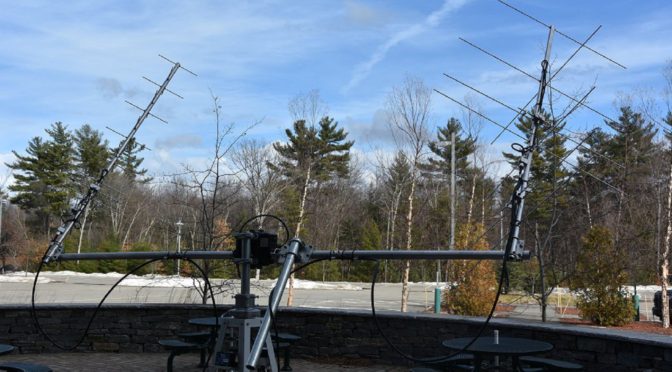
We recently did a Tech Night on Building and Operating a Satellite Ground Station. As part of my portion of our Tech Night presentation, I recorded several LEO Satellite Contacts and made videos showing the operation of the computer controlling our Satellite Station 2.0 during these contacts. These videos give an idea of what it’s like to operate through LEO satellites.

The video above is a recording of several contacts through SO-50 – an FM “Easy Sat”.

The video bove demonstrates several contacts made through FO-29, a linear transponder satellite.

The distortion that you hear in my voice is a result of my own voice coming back delayed through the satellites.

We will have our Satellite Station 2.0 setup at Field Day this year. If you are local to Nashua, NH; you are welcome to visit us during Field Day and see our Satellite Station in operation.

You can read more about the station used to make these contacts here on our Blog.

Fred, AB1OC

Hashtags: #ARRLFD #N1FD #LEOSAT

Crossing A HAB Off The Bucket List….

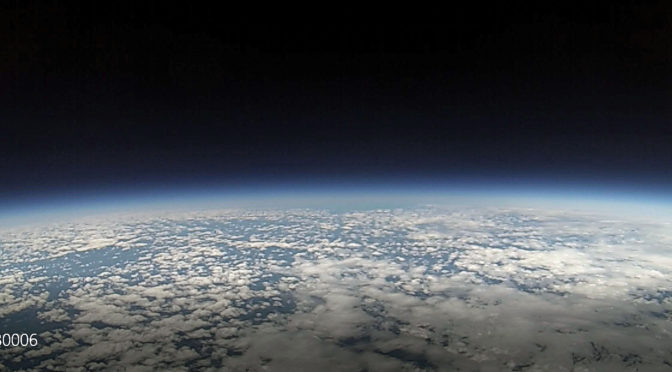
Back in 2010, I was a postdoc in the particle theory group at National Taiwan University in Taipei. I was working with a buddy, a German fellow, and in the middle of talking about made up particles (actually they’re real) in imaginary time (this is an actual “thing”), he showed me a neat YouTube video that he found. As we watched, we saw two young fathers design and launch a high altitude balloon (HAB) to stimulate interest in their very young sons. Of course, the best part of this entire endeavor was the video footage they recorded during the ascent/descent. It was awesome; in the original definition of the word. I immediately developed HAB envy and wanted to do this myself. I told my future XYL, Anne, about this and she said if I came back to the U.S., she would help me design one.

Fast-forward to 2011. I came back home, and though Anne offered to help, I was adjusting to a new job in VA and had zero time to dedicate to it and coupled to that, zero money. The dream would have to wait.

Fast-forward to early winter 2016 (I think it was early 2016). Fred, Anita, Jamey, Tony, myself, and others were sitting at the Dartmouth-Hitchcock facility during one of our Youth Days. We had just finished lunch and were brainstorming ideas to engage young people in amateur radio. Fred had mentioned, how about a high-altitude balloon carrying APRS? Bing. Bang. Boom.  That was all I needed to hear. This was the opportunity literally right in front of me to check the box. So, as you can guess, I was in.

The team had a lot of work in front of us. Some of you have heard us proselytizing the good word at our meetings. This whole project would not work if it were just about a solitary, singular balloon launch. There had to be a hook; had to be something that would allow us to continually interact with the potential participating students. What we had decided was to create a STEM opportunity in the classroom. For those of you unfamiliar with STEM, it stands for Science, Technology, Engineering, and Mathematics. It represents a body of activities and teaching to foster and nurture this type of education in students. It takes the form of FIRST robotics, programming courses for kids, DIY electronics for kids. You name it, it’s probably a “thing” already. So this is what we tasked ourselves with.

To move forward, we had to establish a potential curriculum and target schools that we could work with and hopefully engender a long-lasting partnership with. The ideal case scenario we envisioned would be, to begin with, students as freshman and work with them until graduation; maybe even getting a senior thesis out of it.

I won’t bore you with all the details, but to name a few, we had bi-monthly WebEx conversations to discuss how to move forward, solicited schools, developed a presentation schedule, created a TON of PowerPoint slides to be presented in the classroom, ordered and tested the HAB and its components, organized an Open House at Fred/Anita’s QTH, and of course figured out a launch date — let’s talk about that next.

Ah, launch time. The culmination of 7+ years of waiting was actually going to happen. I could measure time by prepending the phrase “T-minus” to my system of units — Pretty cool. The morning of, many of us gathered at the requisite spot; the anticipation was pretty palatable. After the exact launch locale was ascertained, we prepped and began to inflate the balloon. Spoiler alert: We under-filled the balloon due to a misunderstanding of the instructions from the company which led to a longer flight time. The moment I let the balloon go, I swear my mind went through all the charts I made, all the prep work the team went through, and an overwhelming sense of pride at the accomplishment we achieved.

We quickly cleaned up and adjourned to a local restaurant where we viciously ate our food and just as viciously scoured the interwebz (aprs.fi) to get the latest update of the balloon’s telemetry. Since the update time was about one minute, it was obvious that Einstein’s theory of Special Relativity was at work; each minute felt like an eternity in my reference frame.

Finally, touchdown! In RI. Ok…sure. We predicted SE of Worcester, but it was RI. Fred called me a few times to update me on the HAB’s status after recovery. I asked him to let me know when the data would be available in the Dropbox. When I saw this, I instantly turned to MATLAB and created the following plots from the telemetry data on the flight computer. (Note: It’s update time is every 6 sec, so we get more accurate updates than APRS)

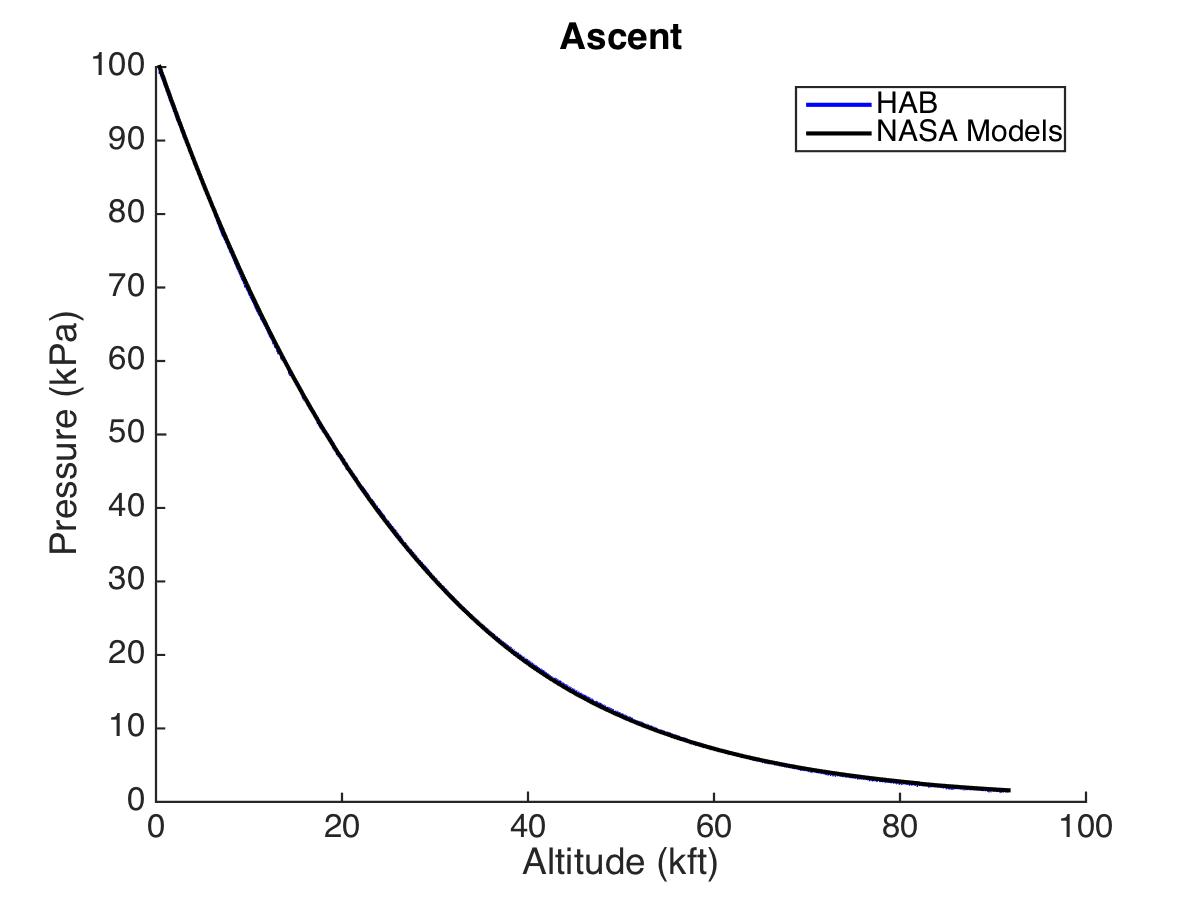
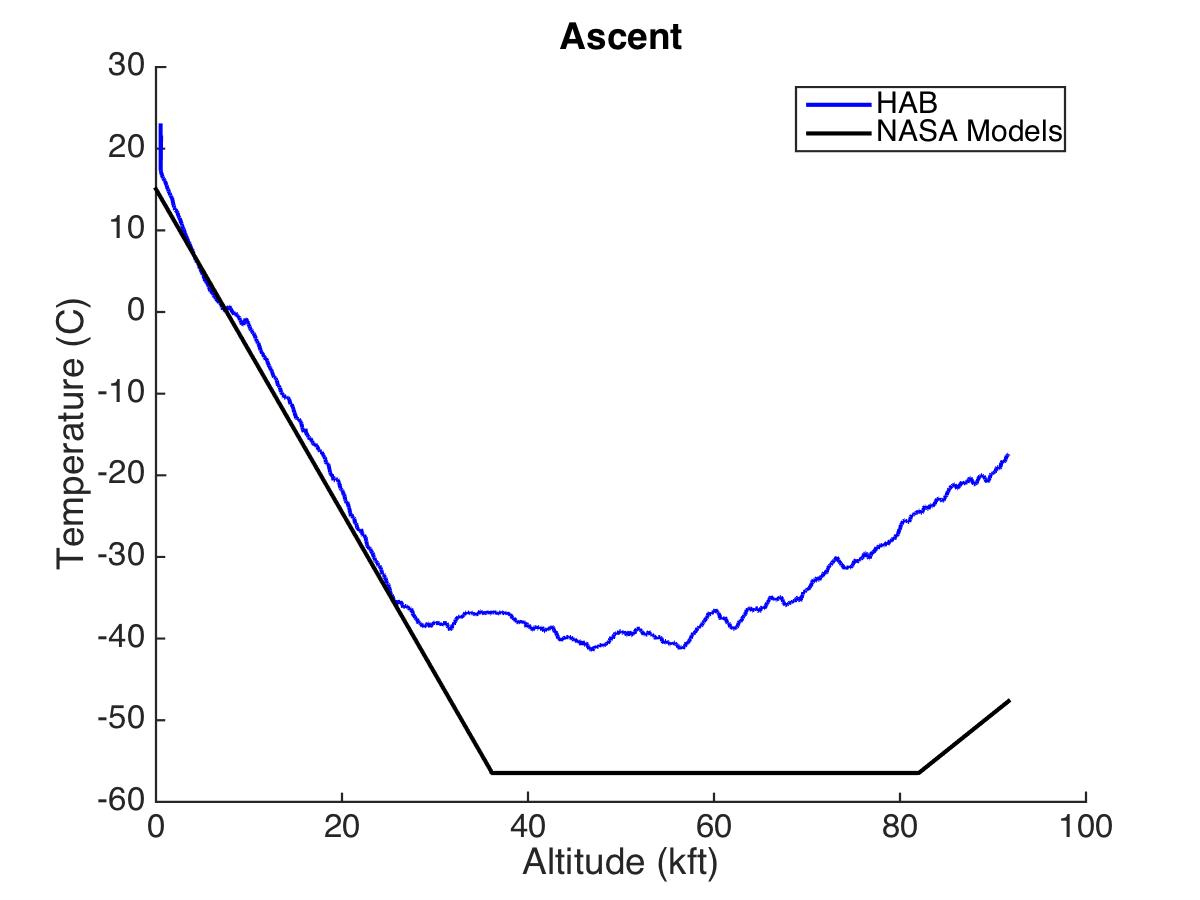
IMHO, I think the most interesting plots are those of the pressure vs altitude of the HAB and the temperature vs altitude. These are fascinating since:

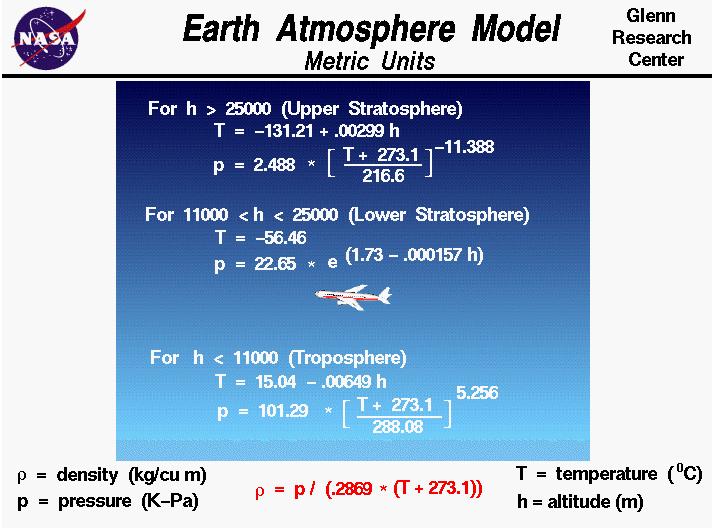
  1. We have theoretical models from NASA with which to compare with.
  2. It’s unfathomable we can record this data THAT HIGH UP with such simple tools.

Below, I’ll only show the results from the ascent. (The descent essentially looks the same). Also, for posterity, I included the NASA predictions which for those of you who are more mathematically minded (all of you, right?!) can sink your teeth into.

High Altitude Balloon

High Altitude Balloon

High Altitude Balloon

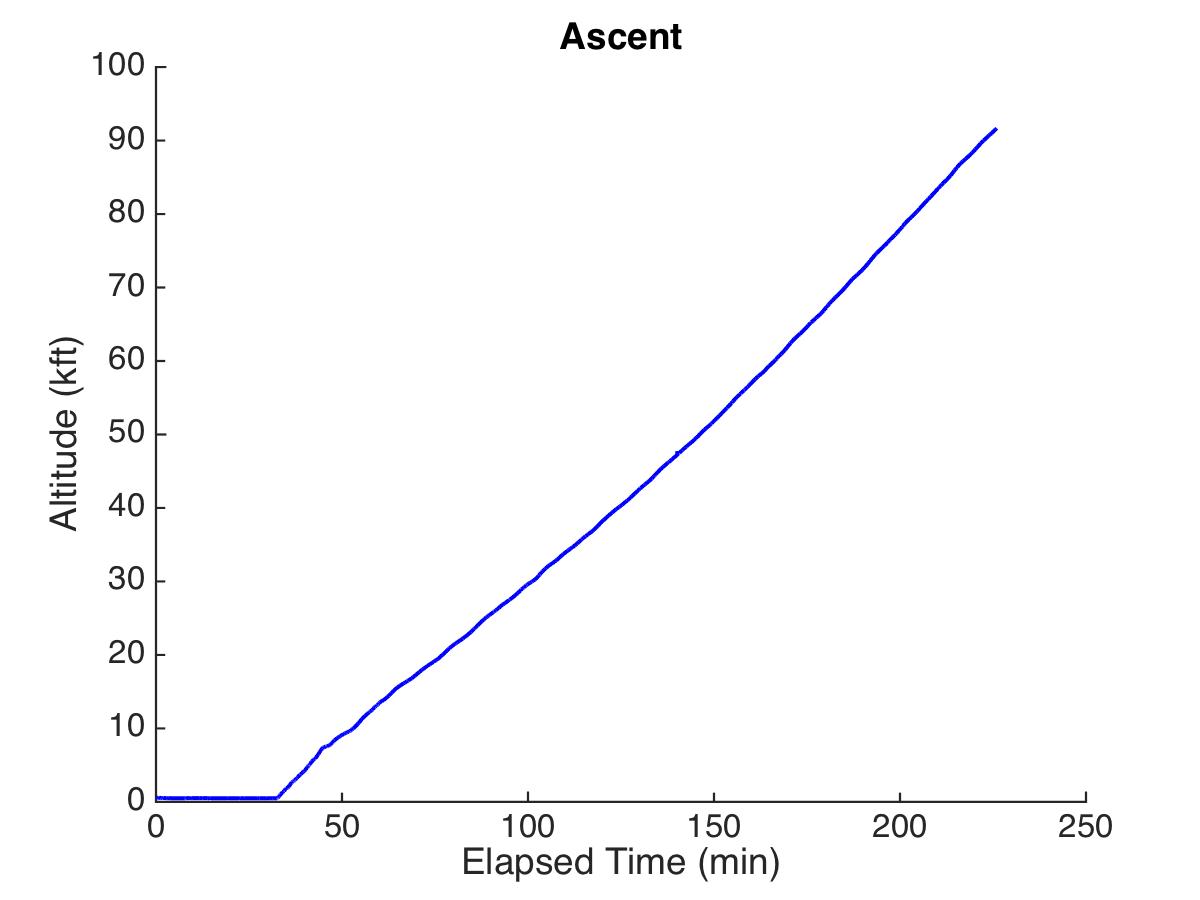
What I find fascinating is that the pressure the HAB recorded (shown in blue) lies essentially on top of the NASA predictions (shown in black). Moreover, the temperature shows good agreement qualitatively: namely a sharp decrease until a particular altitude, then it levels off, and finally begins to increase again. Where those boundaries occur differs between NASA and our local measurements from Winchester, NH. But, the trends are the same. Very encouraging. The next most interesting plots are those derived from the telemetry data. The first is the ascent altitude vs time:
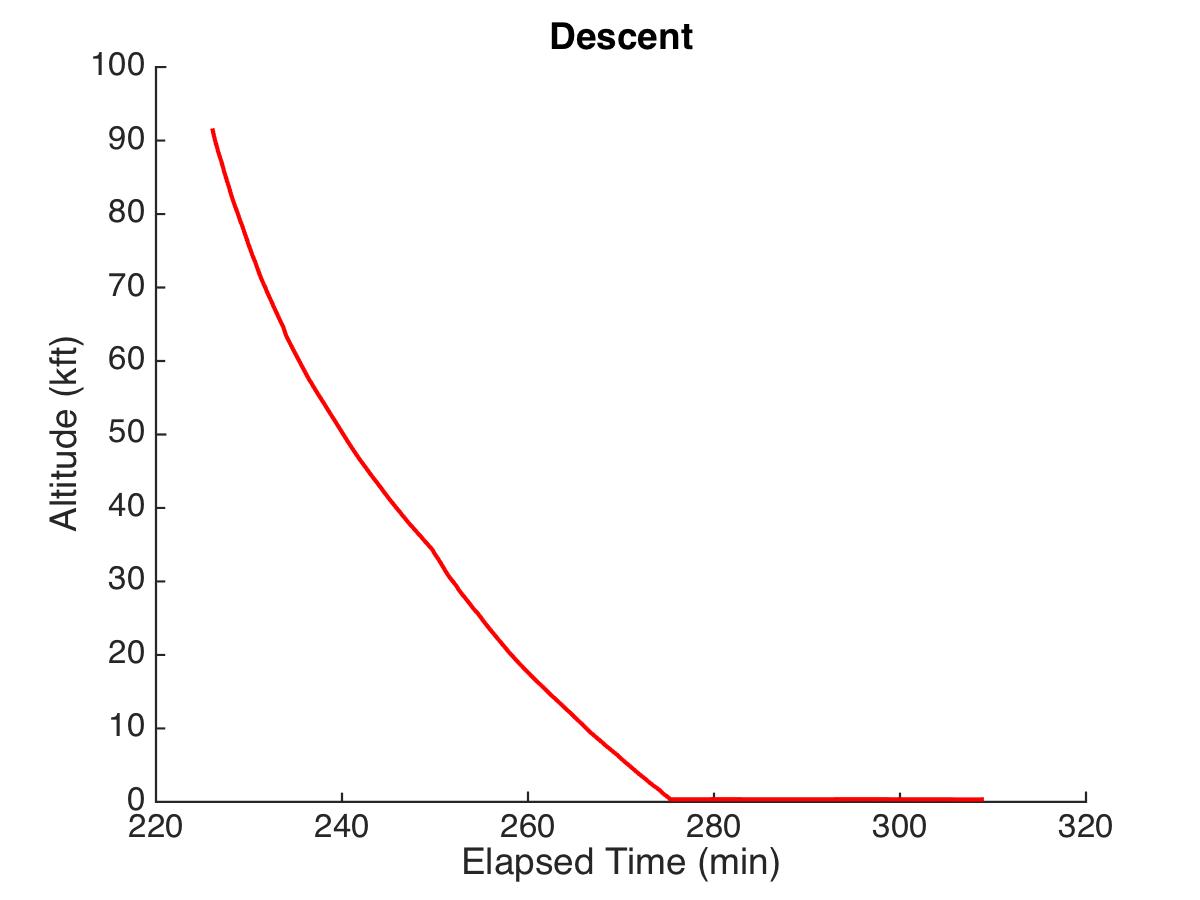
High Altitude BalloonThe vertical speed seems to be essentially constant. This makes sense so long as the vertical lift force from the Helium balances out the downward force of gravity. And this is essentially what we are seeing here and is what is modeled by our HAB prediction website. On the way down, the curve looks a bit more interesting:

High Altitude Balloon

Initially, the HAB seems to be accelerating (since there is some curvature to the line until about 240 min of elapsed time), but after it encounters more air as it falls, it seems the parachute is deployed and therefore reaches terminal velocity (e.g. constant speed)


The upshot of all this stuff is I made a TON of plots on launch night (from the APRS data) and the following morning (from the flight computer data) which I have shown here. I won’t bore you with the other results, but there is a wealth of info one can calculate and learn about.

This entire experience has been an absolute pleasure to be a part of on many, many levels. I just hope we, the HAB team of NARC, have begun to inspire some kids in STEM and amateur radio due to our efforts.

Best and 73,

Brian, AB1ZO

Hashtag: #N1FDHAB

Radio Amateurs Developing Skills Worldwide