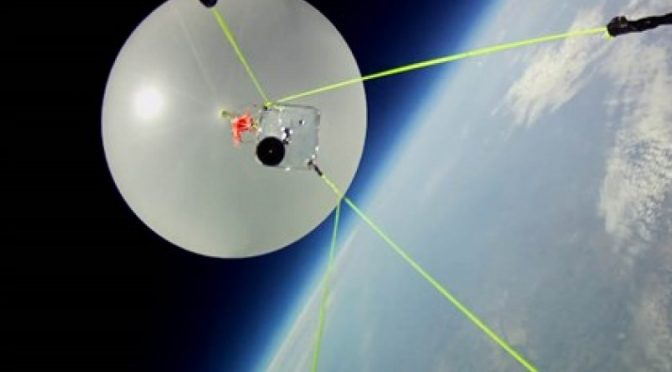
We are making good progress on our High Altitude Balloon project. We have identified three local schools are interested in the project and Jamey, KC1ENX and others are working to set up a meeting with teachers in these schools to explain what we are doing and gain support. You can see what we are sharing with teachers and parents here.
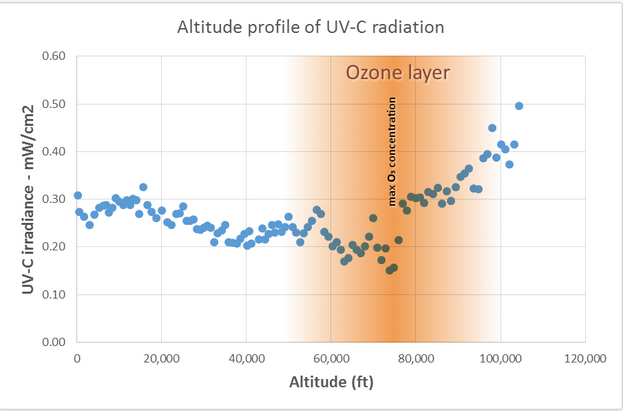
Possible Balloon Payload Experiment – UV Radiation Measurements
Brian, AB1ZO is working on flight planning and science experiments for our high-altitude balloon. You can see Brian’s plans here.
We have also started a fund-raising campaign to raise the funds that we need for equipment, helium and other equipment to build and launch our balloon. Our fund-raising campaign has been active for about a week now and we are approaching the halfway point of our goal. Please consider helping us with the project by making a donation. You can do this by clicking on our GoFundMe drive below.
I wanted to share some tips to follow for our 18 Feb Kit Build from 1-4pm. As I already built my own kit, I wanted to share some advice.
I know not all of you can attend, but for those of you who can, please read below. I’ll also post on the website along with some pics.
Make sure you bring a magnifying glass AND a multimeter. Also, might help to bring an LC meter too (though I didn’t have one at the time) The color bands on the resistors are particularly impossible to see, so I had to measure the resistance of every one. I even did it 2-3 times to make sure I was right.
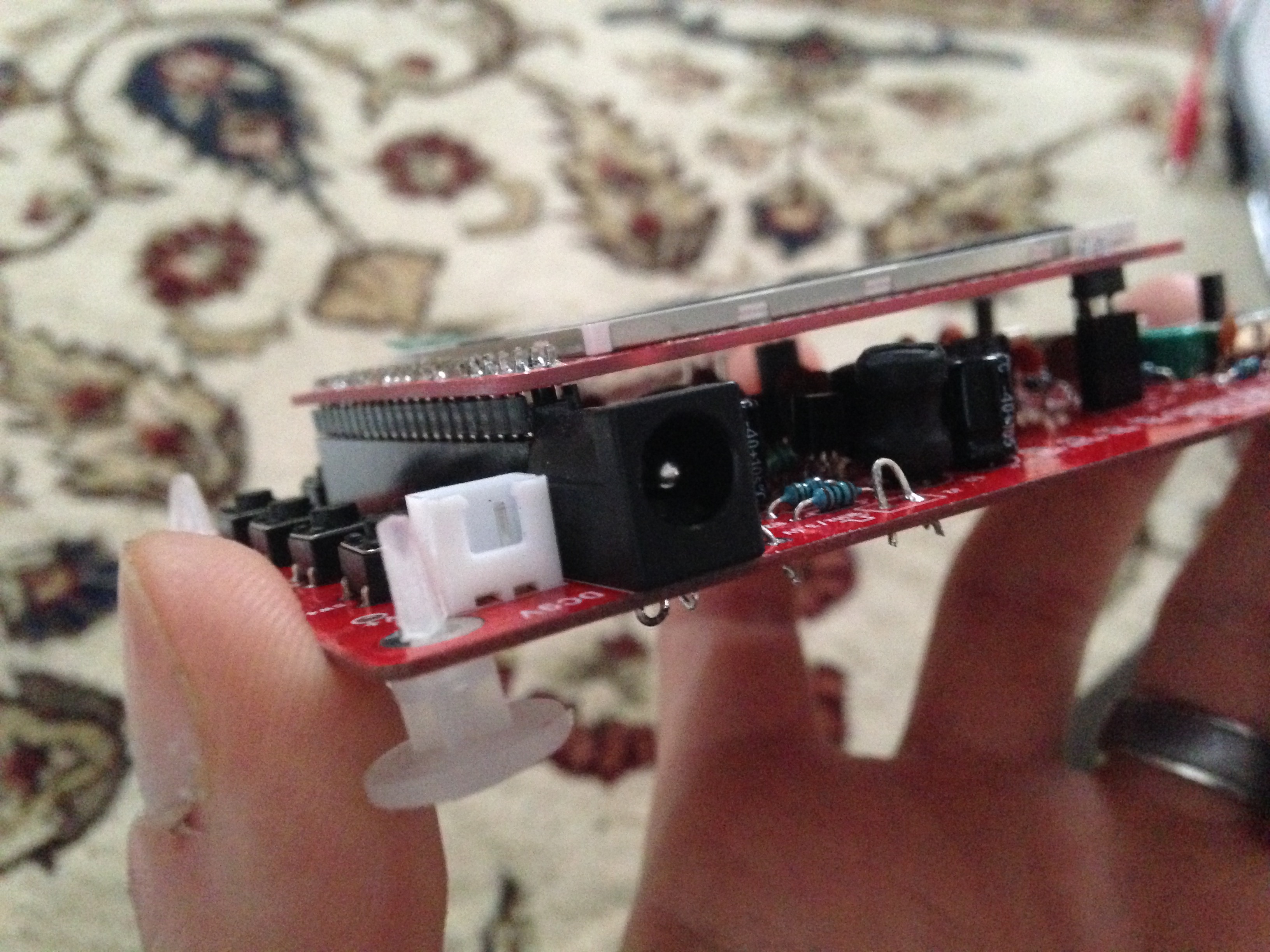
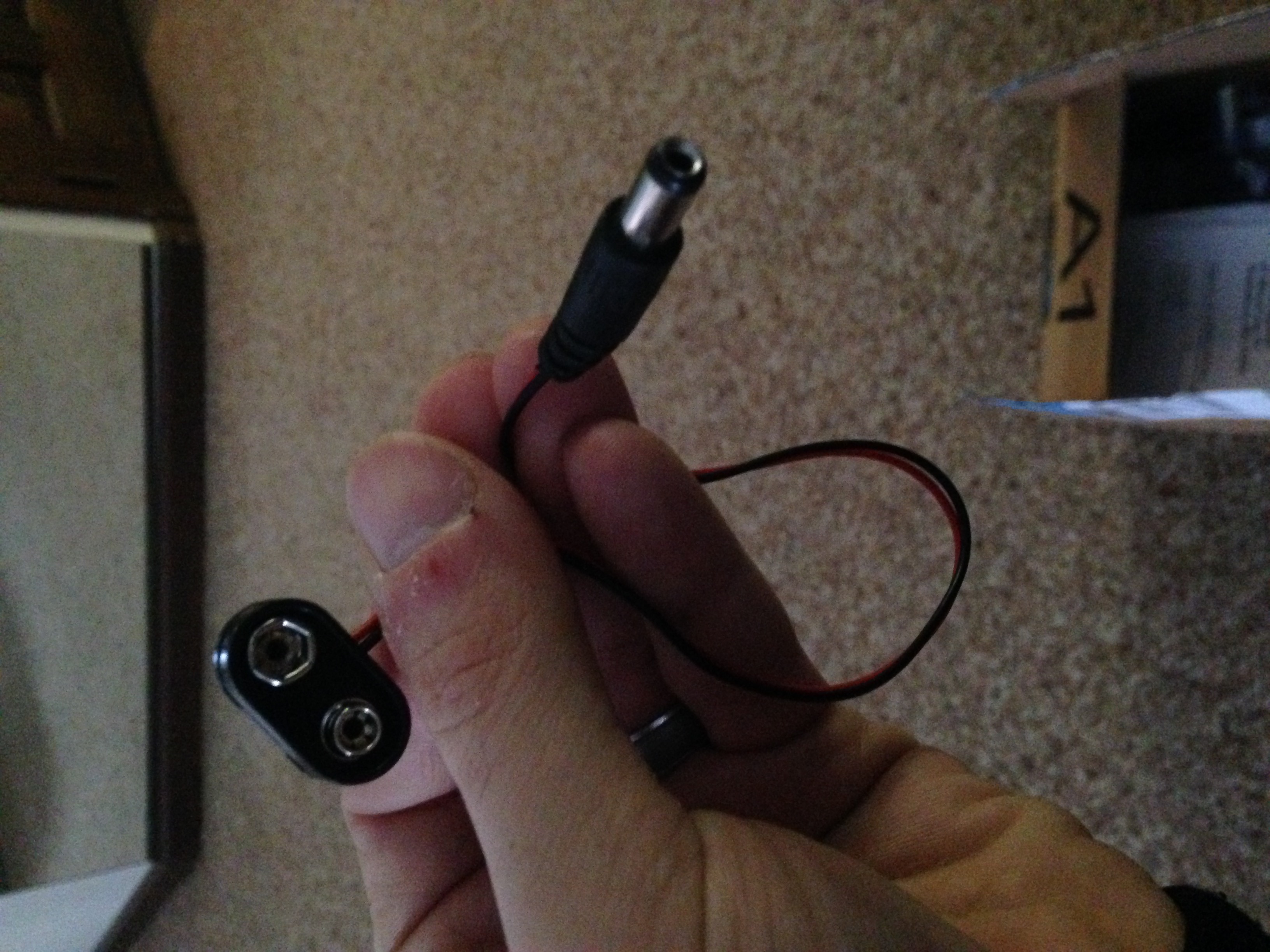
To test your kit at the end of the night, you need to supply it with power. You can do this 2 different ways. The first is bringing a 9V battery along with 9V battery leads terminating at the end of a female port as shown below. The second is grabbing a power adapter rated for no higher than 12 V again terminating on a female port with pic shown below.
You might want to bring a small Phillips head screwdriver (for eye glasses) in order to perform probe calibration.
If you want, bring your laptop so you can download some signal generators (using your sound card) in order to play with the oscilloscope. In order to do this, I ended up using a BNC to an audio adapter which I purchased off of Amazon Prime. I’ll bring mine in case you don’t have one
If you have a standalone signal generator, please bring it, along with BNC wire connections for the o-scope.
DSO138 power supply port
9V battery adapter12V power supply (stolen from a Linksys router) with port (top-middle)
In order to do some testing, we are going to want to use either signal generators that club members graciously bring in, or you can use your laptop’s sound card. To that end, Mike (K1WVO) suggested a really nice link to do this.
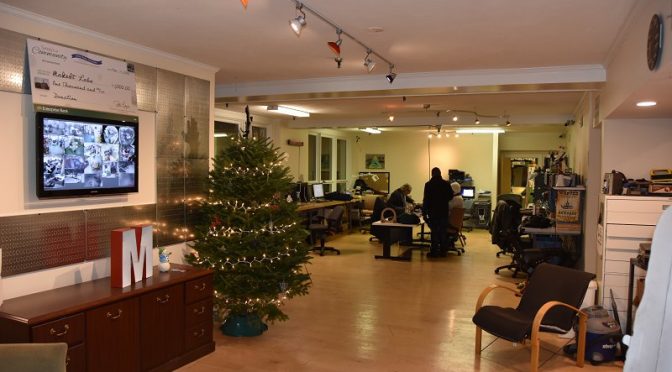
On Saturday, January 28th the Nashua Area Radio Club (Nashua ARC) will be hosting a special event for Interested kids, parents, and friends in the community about the joy of amateur radio at MakeIt Labs in Nashua from 9:00 am – 3:00 pm. You may drop in at any time and stay as long as you like to participate! Among our activities, you can:
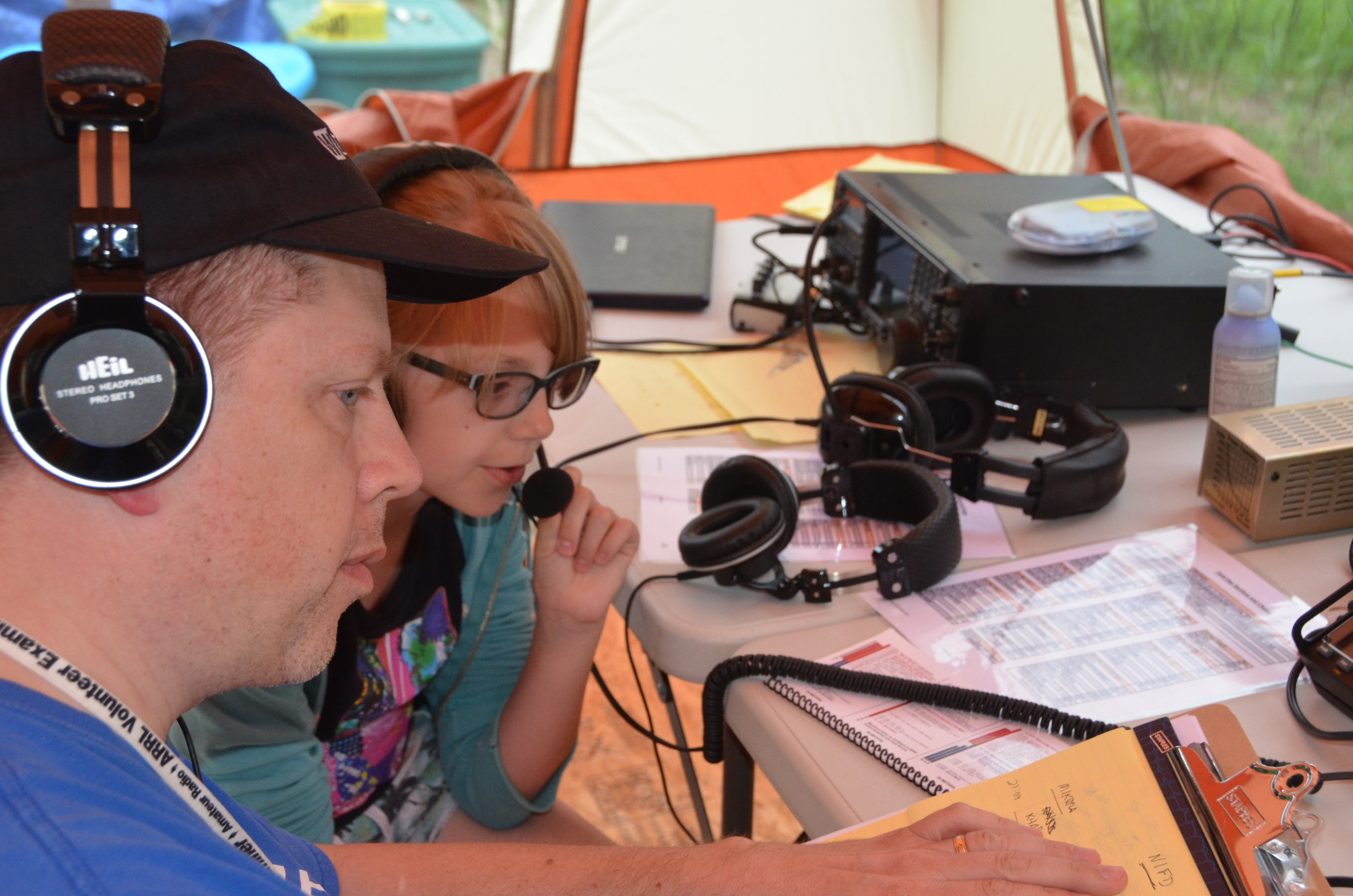
Get-On-The-Air Station (GOTA)
This is amateur radio at its best and what it’s known for! We invite you to get on the air and make a contact (we call them QSO’s — pronounced: cue-so) somewhere in the world! You might be able to make a new friend in Germany or even Japan! Making contacts sits at the heart of amateur radio and is an activity that brings people together. So don’t be shy, step up, and hit the push-to-talk button!
Satellite Station Display
The Radio Amateur Satellite Corporation (AMSAT) began in 1969 to foster amateur radio participation in space research and communication. Currently, AMSAT groups help advance the state of the art in space science, space education, and space technology. Come learn about what components go into constructing a station capable of contacting a satellite and what antennas, and smart phone apps, operators use to keep a pulse on the satellite location.
Digital Amateur Television (DATV)
Not only are amateur radio operators granted privileges to transmit speech, but we also can send fast-scan data such as TV signals! Many operators have experimented with how to homebrew their own fast-scan TV stations, and our club president Fred (AB1OC) and our member Skip (K1NKR) have chosen to use construct a station which uses a Raspberry Pi (RPi) with an Arduino shield to sit at the heart of the transceiver. The RPi is the brains of the TV which runs Linux and among other things is responsible for sequencing, transmit/receive control, automatic VSWR monitoring, and a touch-screen controlling interface to configure and operate the system. Learn about what it takes to build and operate one of these stations. We may even be able to make a contact! More information can be found at https://stationproject.wordpress.com/category/amateur-television/.
Kit Building with Nashua ARC
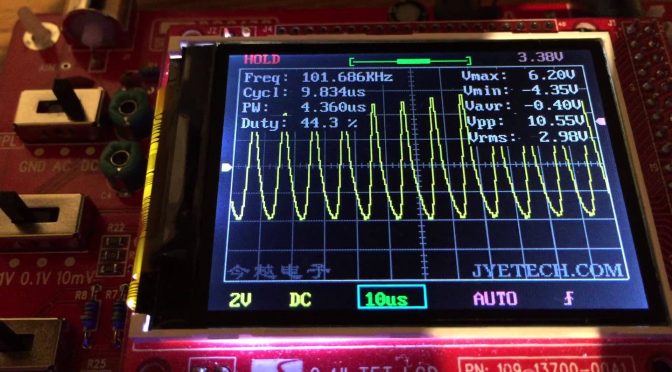
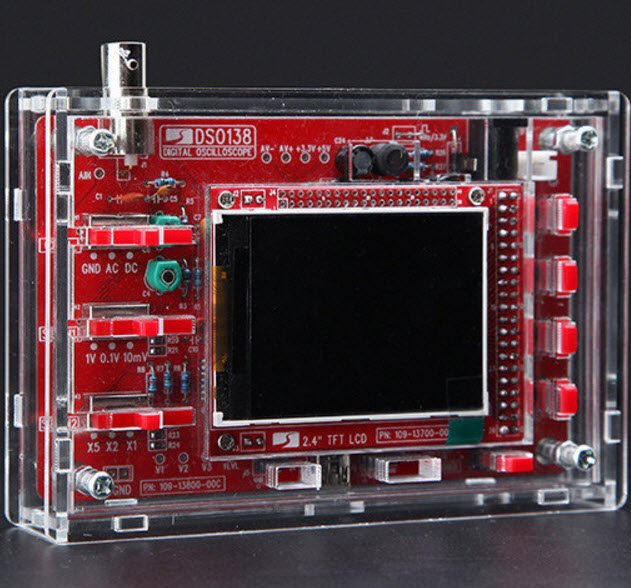
The Nashua ARC holds kit-building nights were both inexperienced and experienced members homebrew in a relaxed, learning environment. In the past, we have built Pixie QRP (low-wattage) kits transmitting Morse Code on the 40m amateur band. But, on February 18 from 1 – 5 pm, First Church in Nashua, Nauss Hall, we will build the digital oscilloscope kit DSO138 (shown to left). This kit comes with a clear acrylic case to protect it, build instructions, and among its specs has a 1 Msps sampling rate, 12-bit accuracy, 200 kHz bandwidth (good for audio signals), capable of freezing the waveform display, and comes with a 1Hz / 3.3V test source. We invite you to join us and will bring some kits with us. More info can be found on our website at https://www.n1fd.org/2016/03/27/inexpensive-diy-digital-oscilloscope-kit/.
We hope you will join us for our event! Please bring friends, family, but most importantly we want you to have fun and enjoy this hobby with us!!
We use cookies to ensure that we give you the best experience on our website. If you continue to use this site we will assume that you are happy with it.